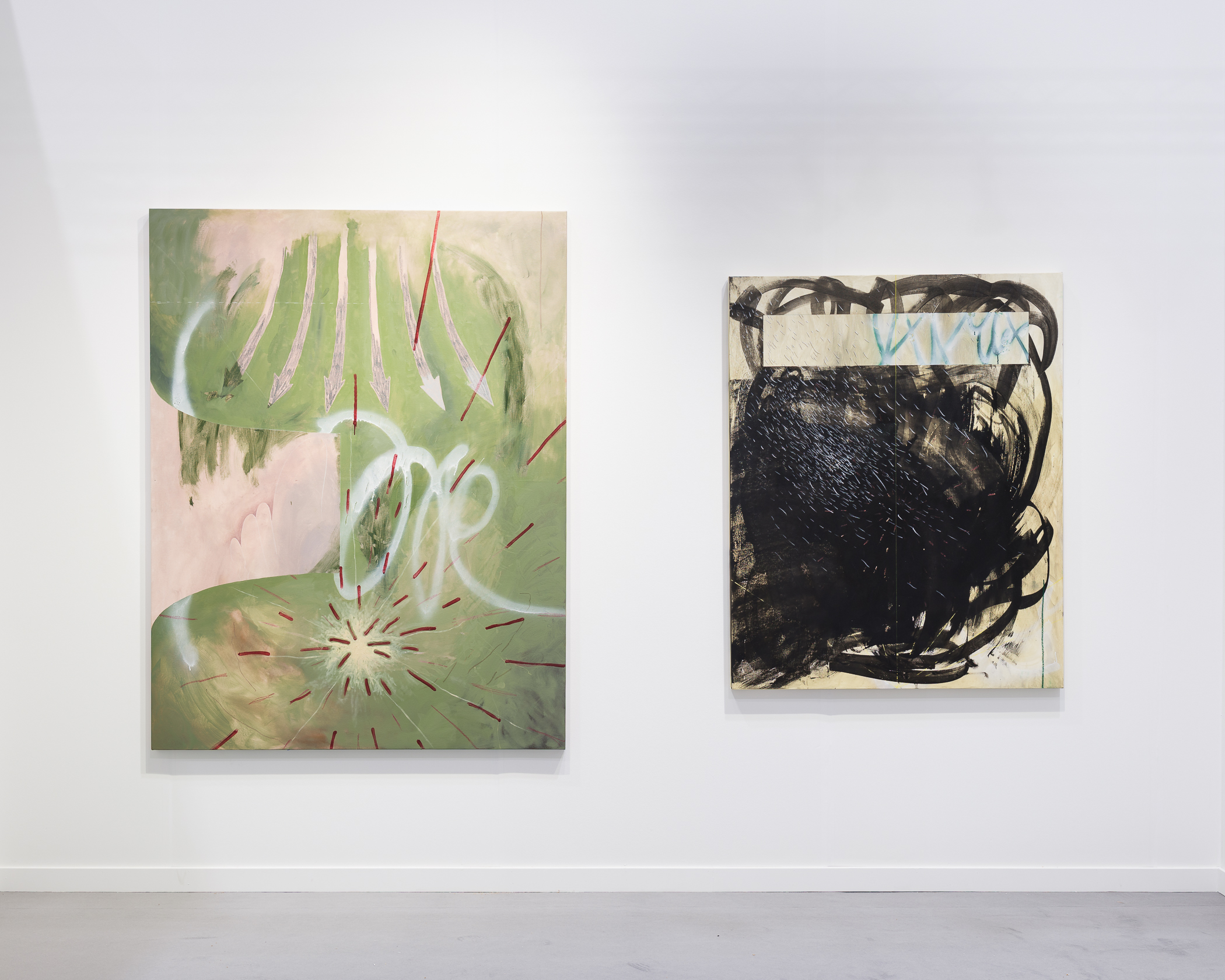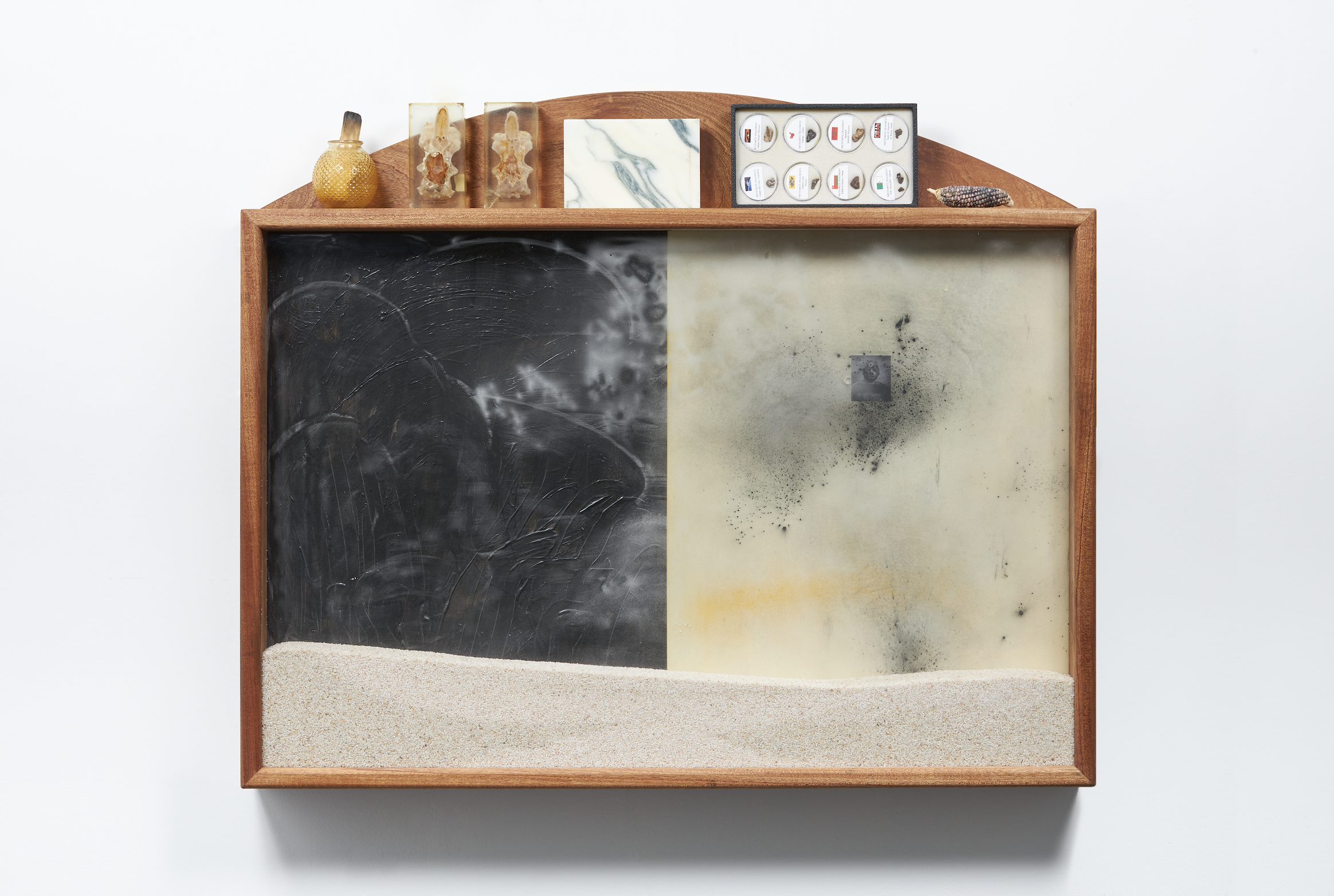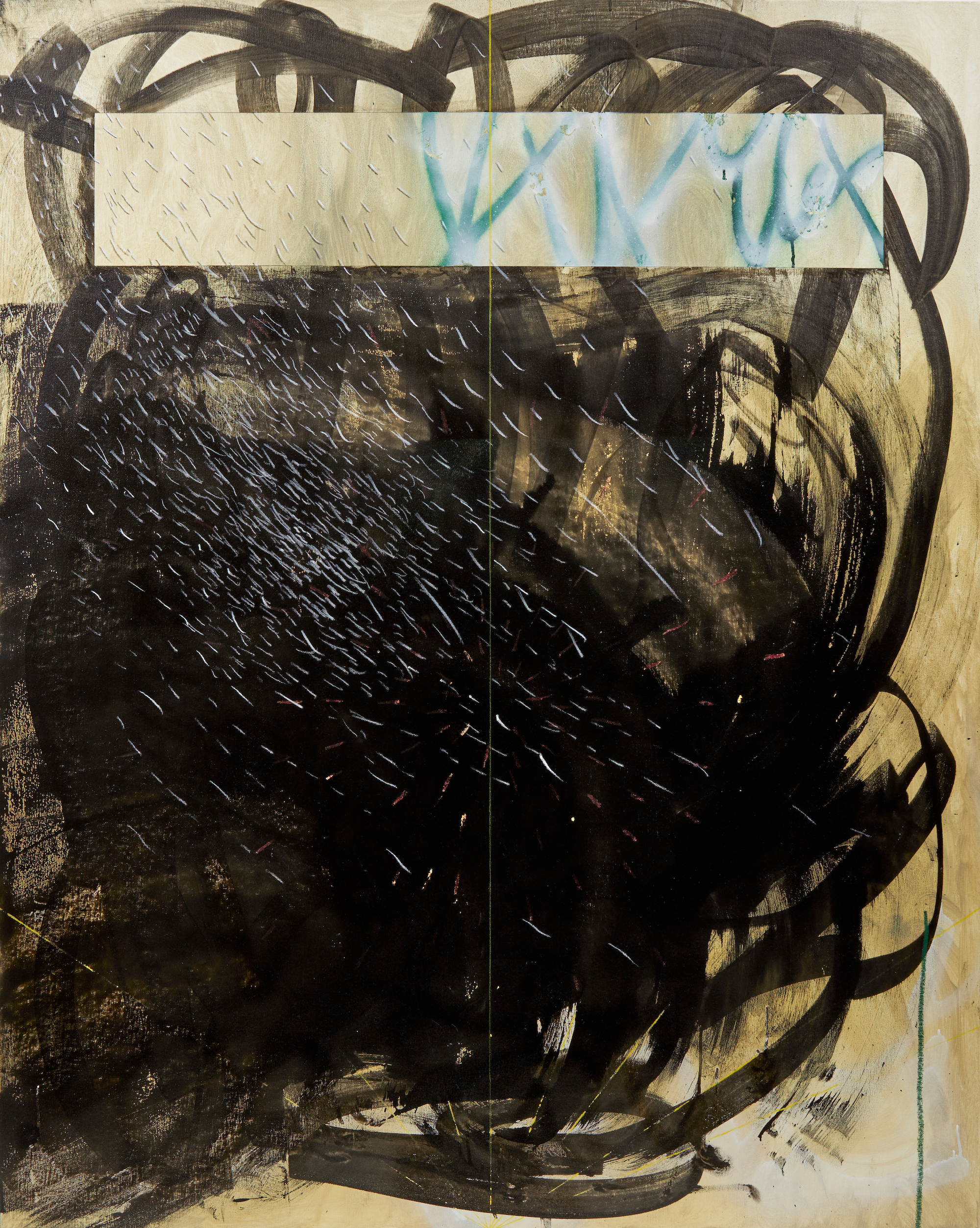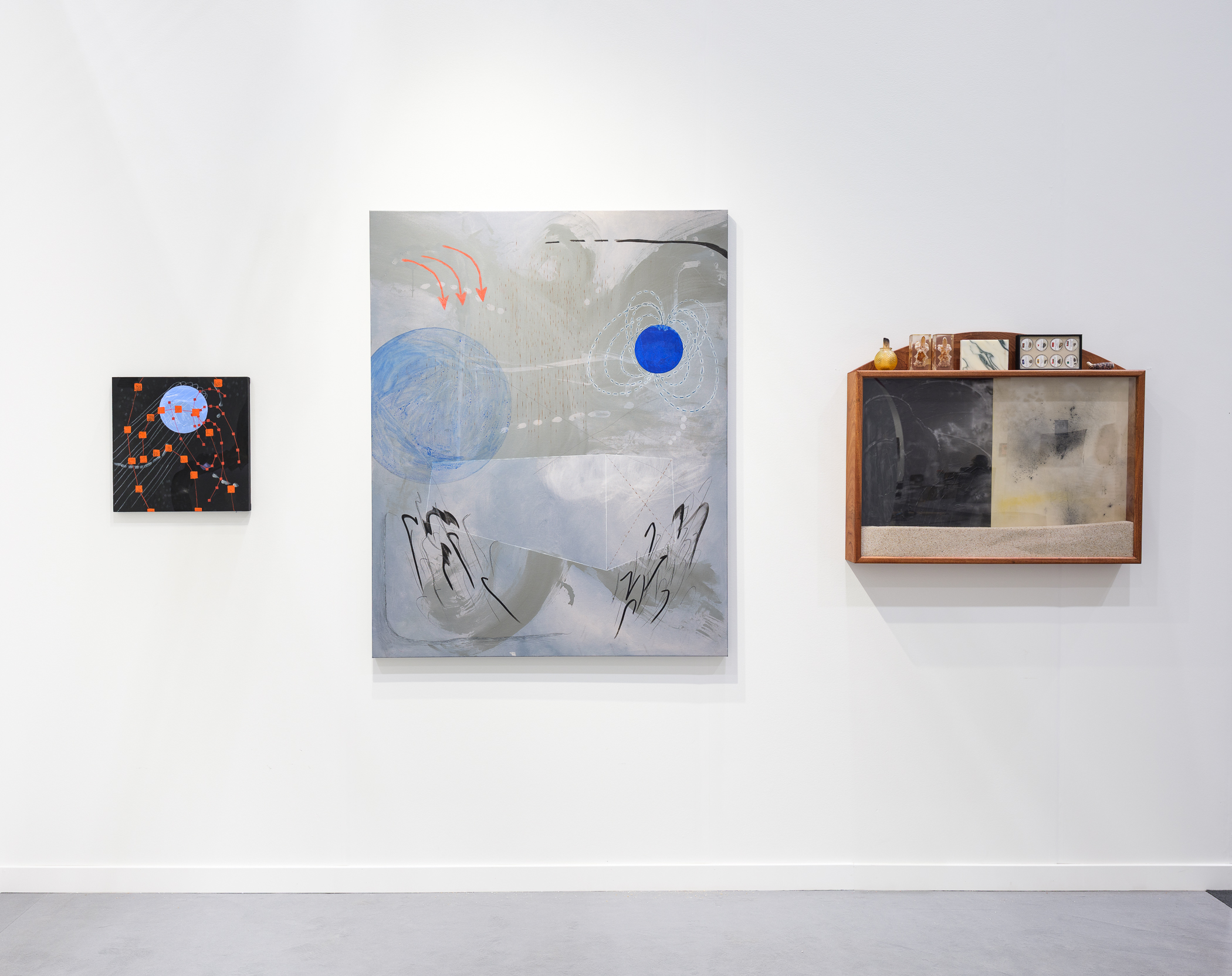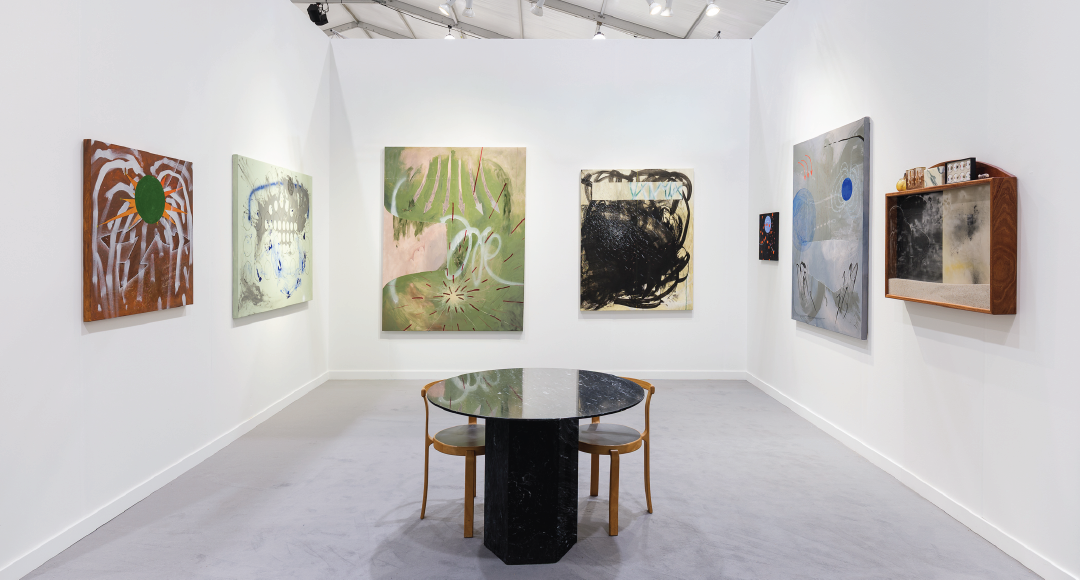
Hannah Traore Gallery is pleased to present a solo presentation of the Brooklyn-based artist Turiya Adkins at Frieze Los Angeles. In this body of work, a radical infusion of ancestral and Afrofuturist narratives, Adkins explores the notion of flight as an existential process—reaching beyond the theme as a subject in mythology, folklore, and history. Through the lens of the Black imagination, many of her recent series have served as abstract, gestural meditations inspired by her thorough research into wide-ranging topics from the story of the Igbo Landing to her family’s multi-generational tradition of track & field; Olympic medalist Mike Powell’s long-jump record; the monumental accomplishments of the Tuskegee Airmen; the legacy of the Zambian Space Program; and the recurring character of the flying African in folktales.
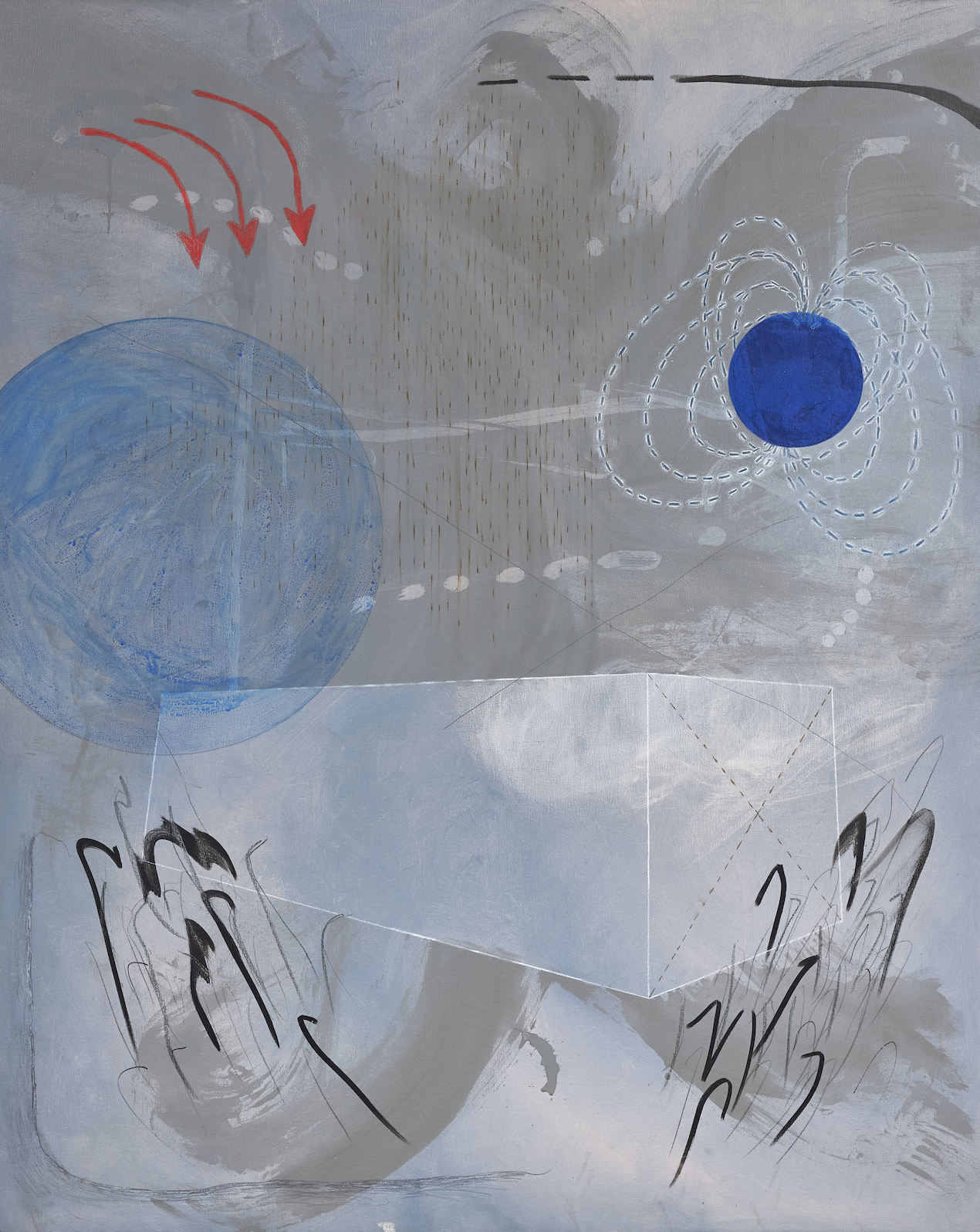
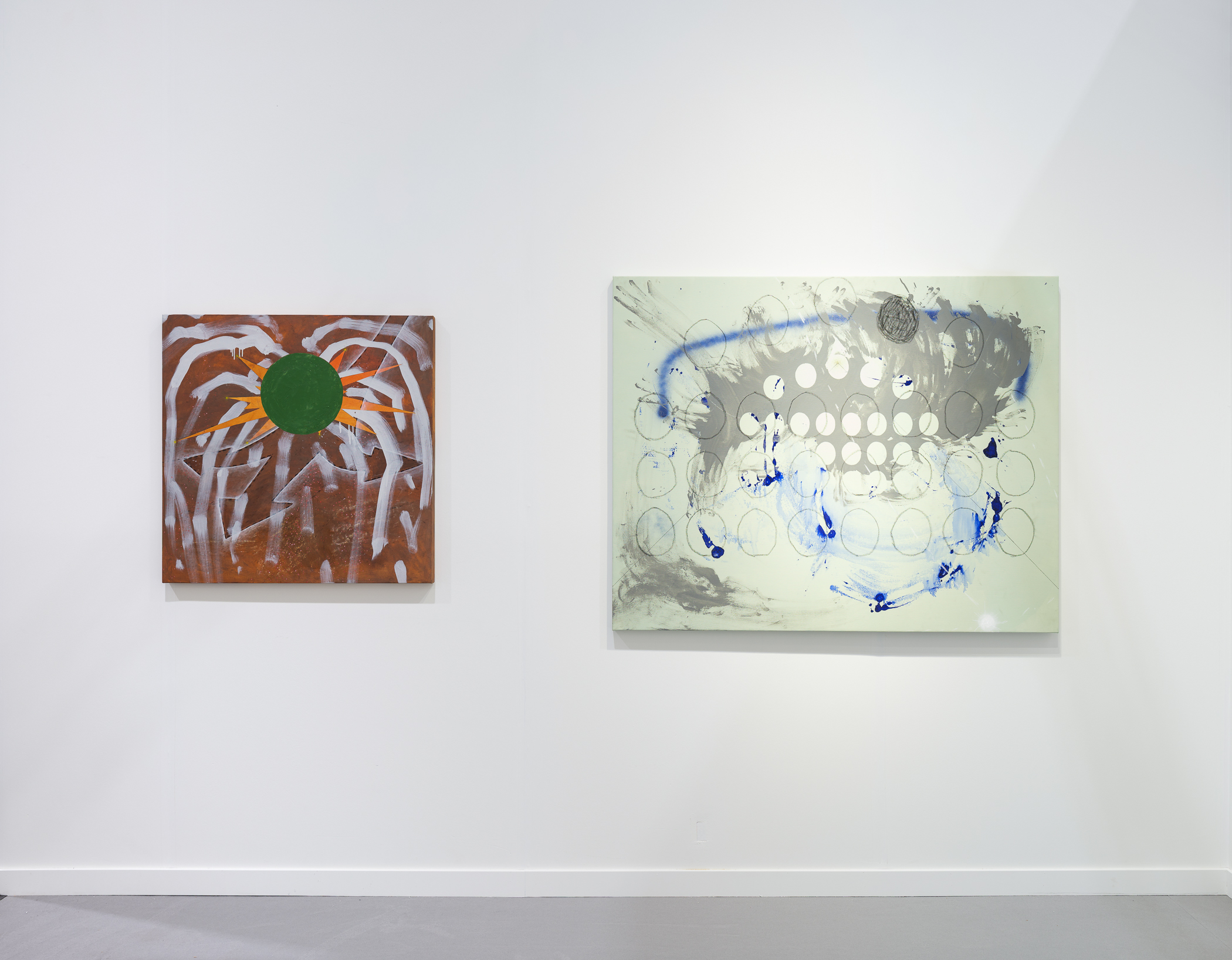
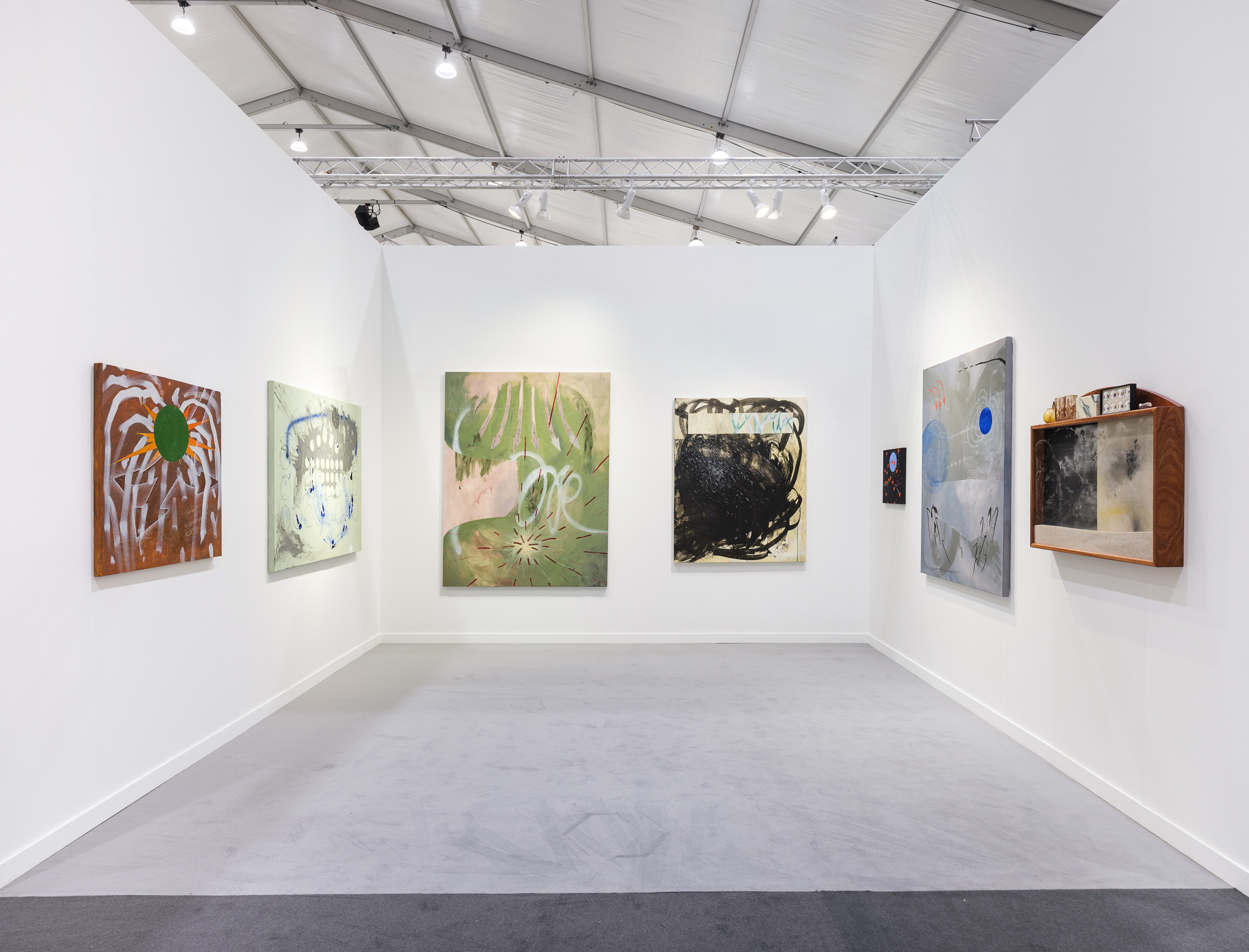
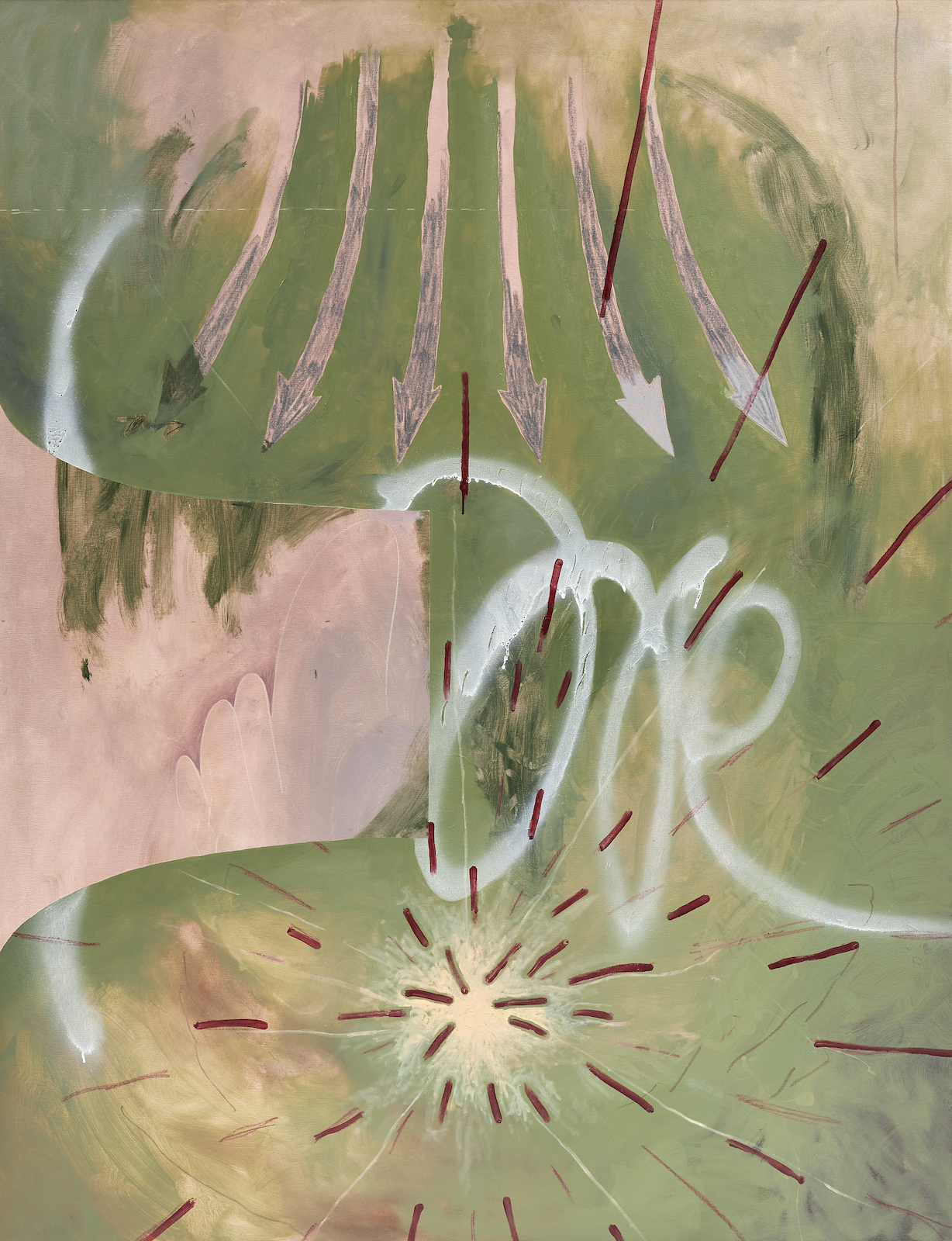
Like Edward Makuka Nkoloso, the Zambian revolutionary who simulated the training of an amateur troupe of astronauts to imagine an anticolonial, anticapitalist Space Race in 1964, and Sun Ra, the pioneering electronic musician who used experimental sound to envision emancipatory voyages to outer space in his synth track “Astroblack” in 1973, Adkins’ dynamic interplay of floating orbs, sprawling brushstrokes, granular textures, found objects, and muted palettes—peppered with splashes and details in cobalt blue, fiery red, golden yellow, and mossy green—visualizes her dramatic leaps between the archival and prophetic.
As Sun Ra declares to a group of earthlings in his galactic, epic film Space is the Place, “I do not come to you as a reality; I come to you as a myth. Because that’s what Black people are. Myths. I came from a dream that the Black man dreamed long ago. I’m actually a present sent to you by your ancestors.” At once voracious and vulnerable, Adkins stretches African myths and Afrofuturist doctrines to the extreme of their elasticity. In these works, she is shaping an abstract experience rather than speculating a concrete reality, asking what it means to savor, rather than resist, the mysteries that rest between knowing and imagining.
Hannah Traore Gallery is pleased to present a solo presentation of the Brooklyn-based artist Turiya Adkins at Frieze Los Angeles. In this body of work, a radical infusion of ancestral and Afrofuturist narratives, Adkins explores the notion of flight as an existential process—reaching beyond the theme as a subject in mythology, folklore, and history. Through the lens of the Black imagination, many of her recent series have served as abstract, gestural meditations inspired by her thorough research into wide-ranging topics from the story of the Igbo Landing to her family’s multi-generational tradition of track & field; Olympic medalist Mike Powell’s long-jump record; the monumental accomplishments of the Tuskegee Airmen; the legacy of the Zambian Space Program; and the recurring character of the flying African in folktales.
Like Edward Makuka Nkoloso, the Zambian revolutionary who simulated the training of an amateur troupe of astronauts to imagine an anticolonial, anticapitalist Space Race in 1964, and Sun Ra, the pioneering electronic musician who used experimental sound to envision emancipatory voyages to outer space in his synth track “Astroblack” in 1973, Adkins’ dynamic interplay of floating orbs, sprawling brushstrokes, granular textures, found objects, and muted palettes—peppered with splashes and details in cobalt blue, fiery red, golden yellow, and mossy green—visualizes her dramatic leaps between the archival and prophetic.
As Sun Ra declares to a group of earthlings in his galactic, epic film Space is the Place, “I do not come to you as a reality; I come to you as a myth. Because that’s what Black people are. Myths. I came from a dream that the Black man dreamed long ago. I’m actually a present sent to you by your ancestors.” At once voracious and vulnerable, Adkins stretches African myths and Afrofuturist doctrines to the extreme of their elasticity. In these works, she is shaping an abstract experience rather than speculating a concrete reality, asking what it means to savor, rather than resist, the mysteries that rest between knowing and imagining.