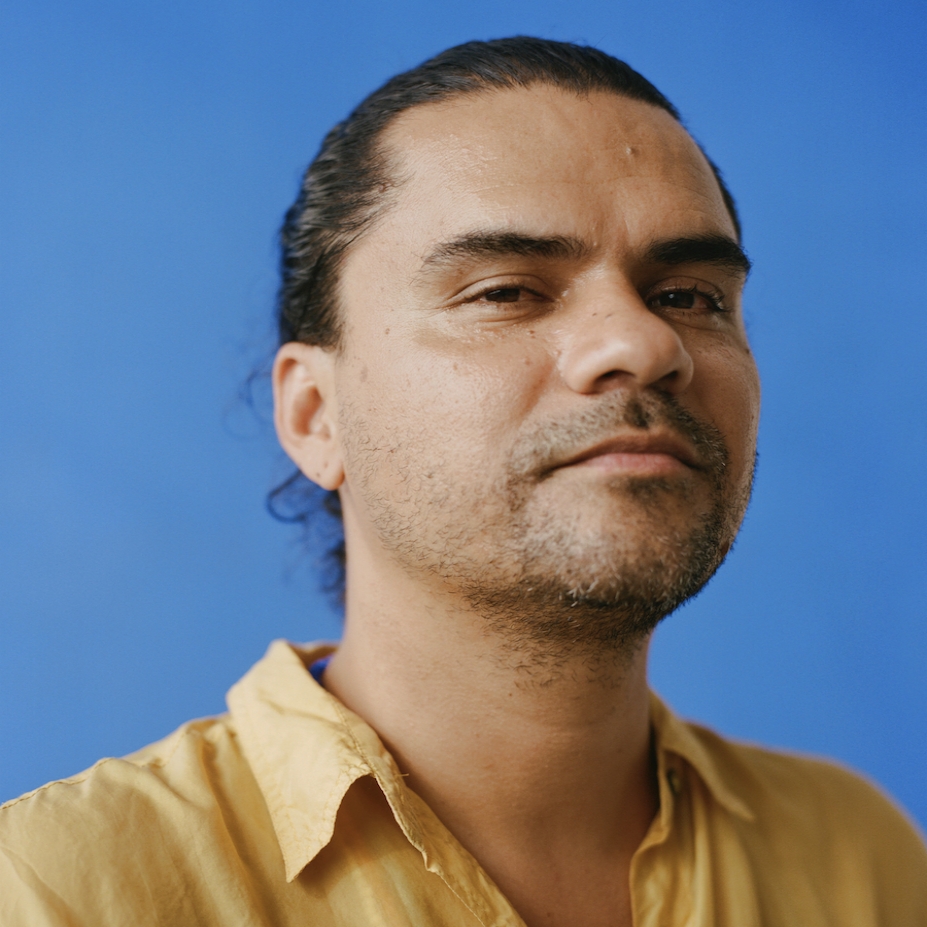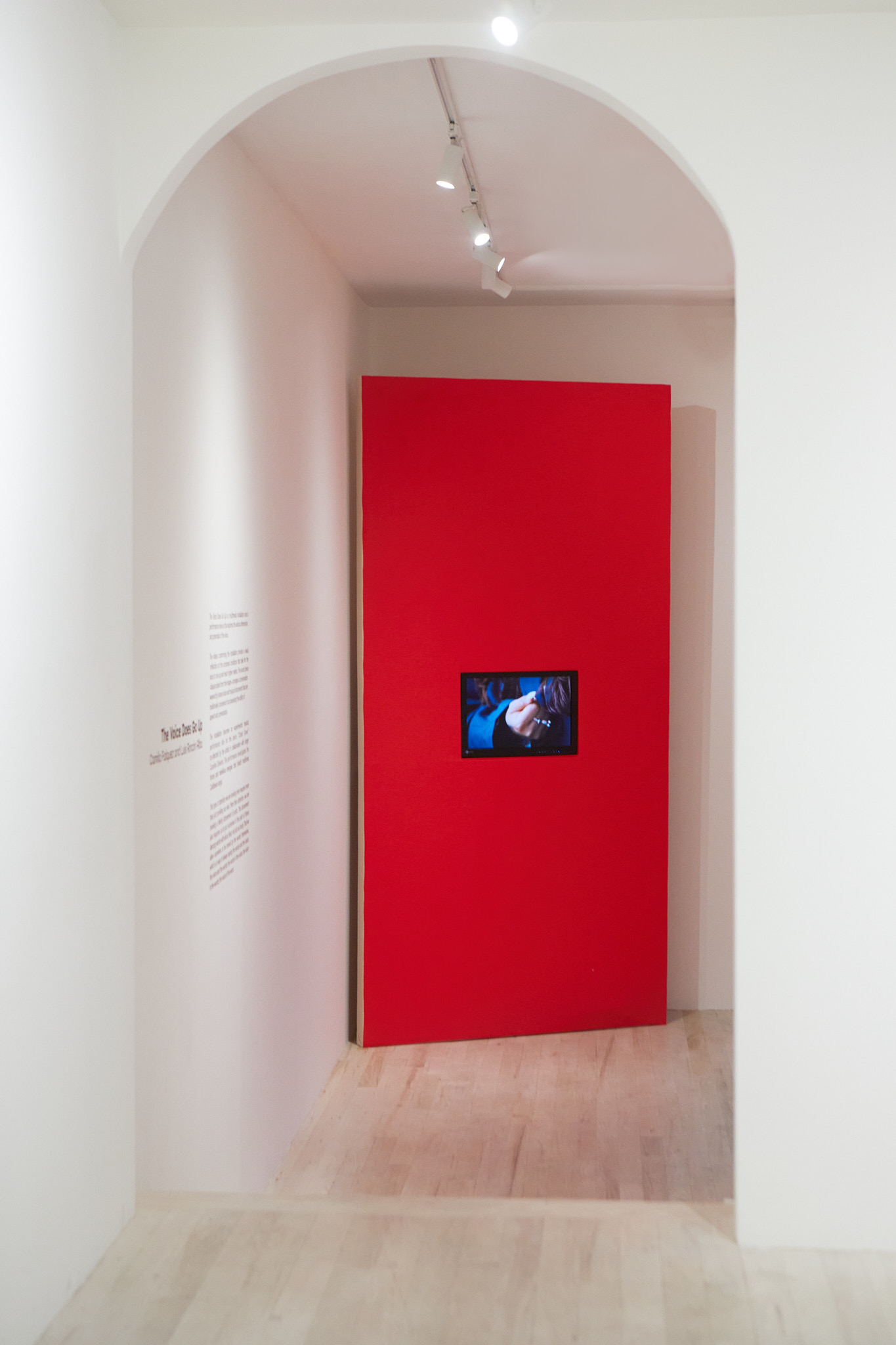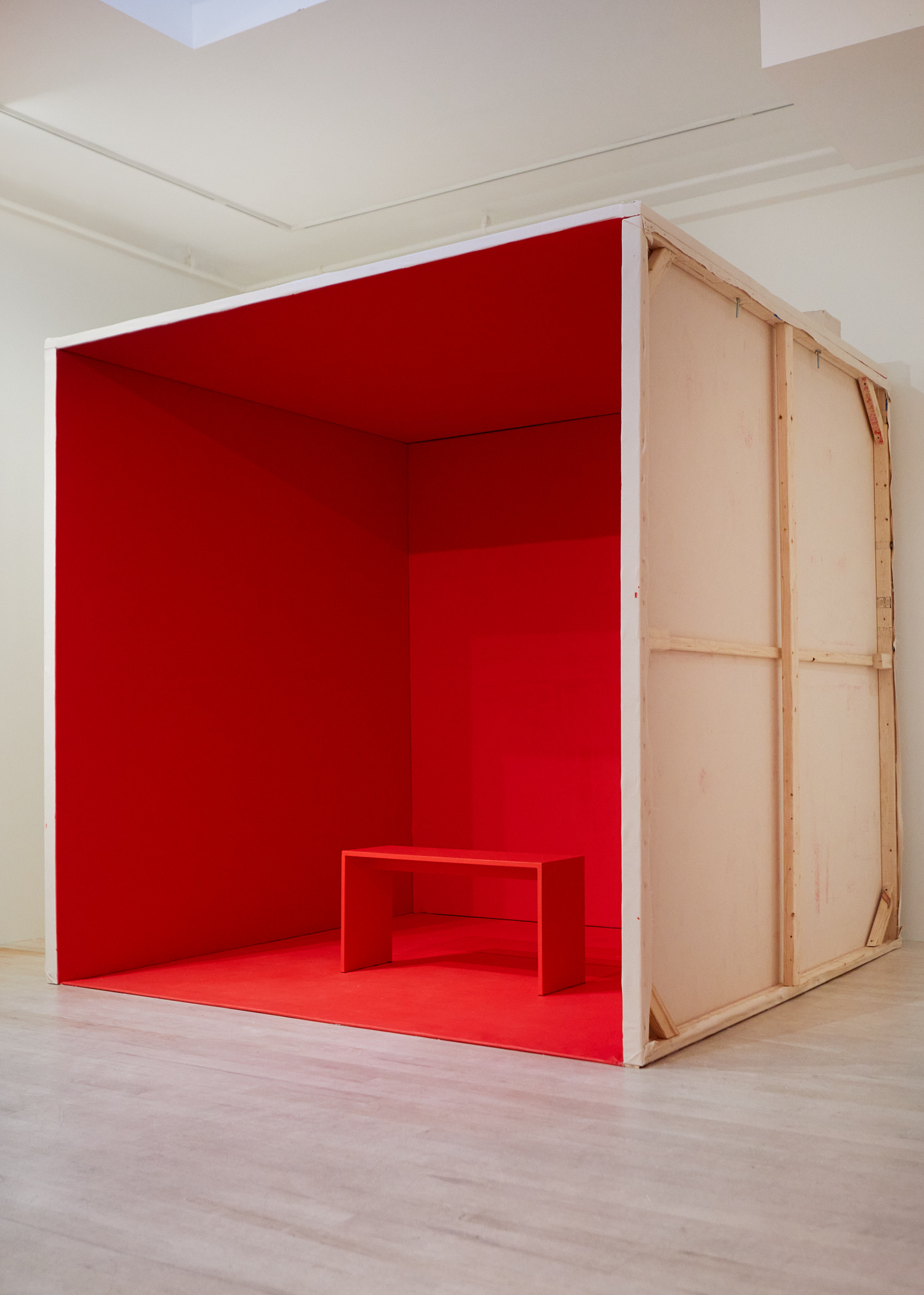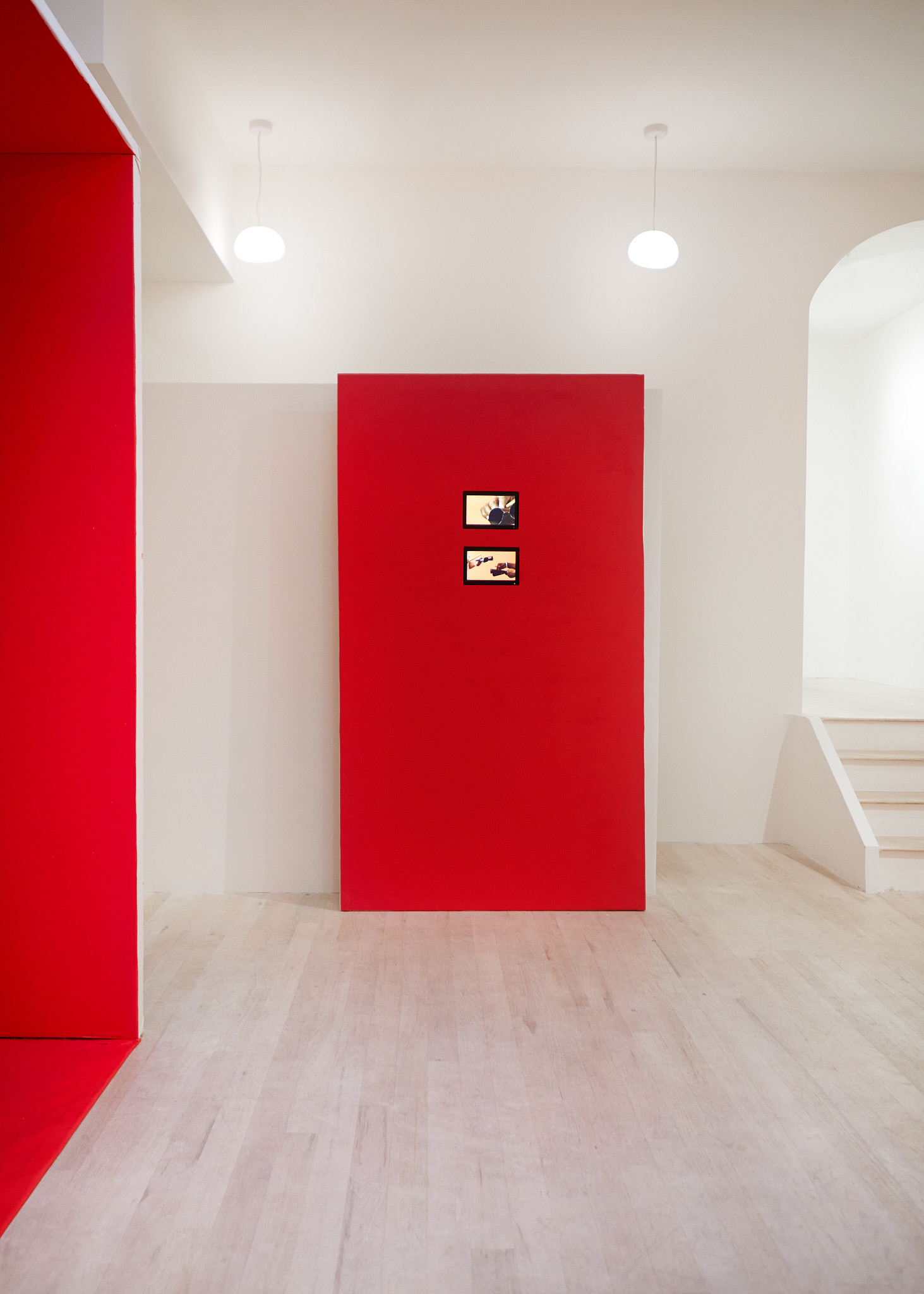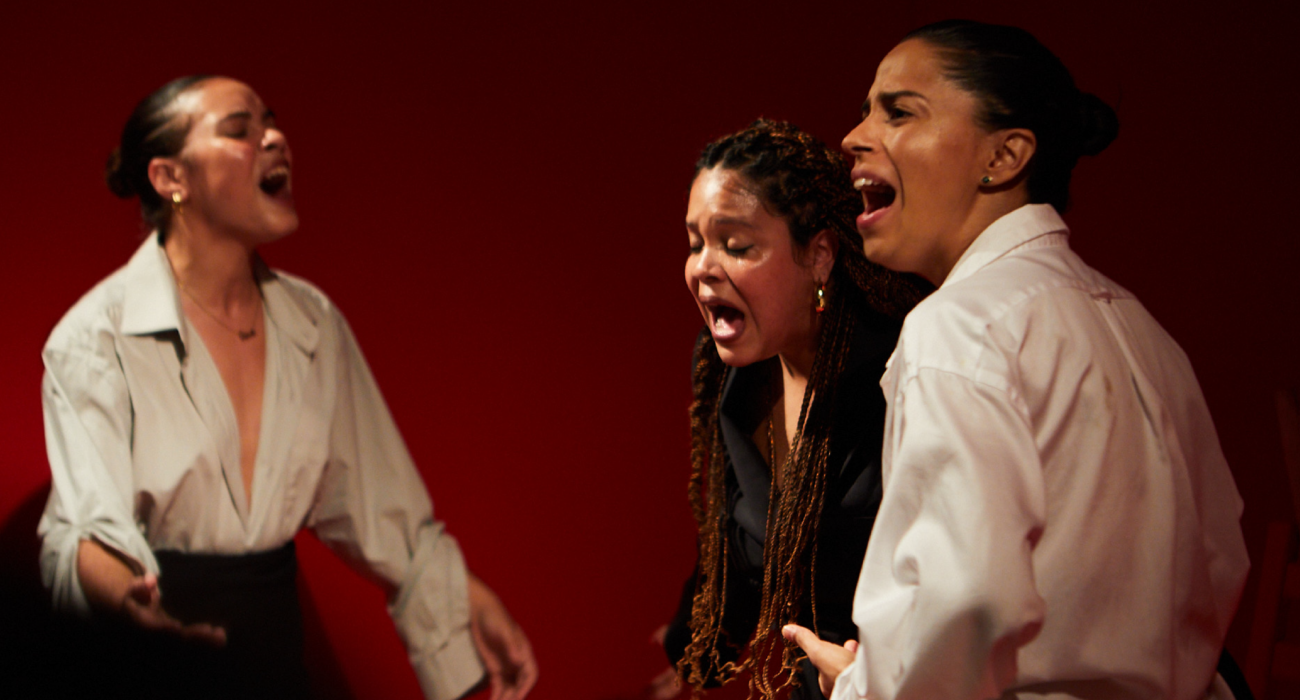
Luis Rincón Alba is a Colombian artist, scholar, and Assistant Professor at NYU Tisch School of the Arts whose work explores the political and social potential of festive and carnival practices in the Caribbean and Latin America, tracing their ties to colonial-era rebellion and the end of slavery. His book project, Dance to the Hurt! Carnival Performance, Riots, and Festive Mutuality, argues that carnival represents a technology of collective political resistance that challenges modern notions of selfhood, a thesis he examines through music, dance, film, performance art, and literature. As an artist, he works across live performance, video, sound, and writing, and his installations have been featured at the Hannah Traore Gallery and the Clemente Center in NYC; his recent works — Maraca (2022), The Voice Does Go Up (2023), and Chant Down (2023) — study percussive patterns and the transcendent qualities of the voice. He teaches performance studies, Latin American and Caribbean aesthetics, and contemporary art from the Americas, and has been recognized with fellowships from NYU’s Center for the Humanities, Columbia University, Humanities New York, and a Fulbright fellowship in 2010.
Luis Rincón Alba is a Colombian artist, scholar, and Assistant Professor at NYU Tisch School of the Arts whose work explores the political and social potential of festive and carnival practices in the Caribbean and Latin America, tracing their ties to colonial-era rebellion and the end of slavery. His book project, Dance to the Hurt! Carnival Performance, Riots, and Festive Mutuality, argues that carnival represents a technology of collective political resistance that challenges modern notions of selfhood, a thesis he examines through music, dance, film, performance art, and literature. As an artist, he works across live performance, video, sound, and writing, and his installations have been featured at the Hannah Traore Gallery and the Clemente Center in NYC; his recent works — Maraca (2022), The Voice Does Go Up (2023), and Chant Down (2023) — study percussive patterns and the transcendent qualities of the voice. He teaches performance studies, Latin American and Caribbean aesthetics, and contemporary art from the Americas, and has been recognized with fellowships from NYU’s Center for the Humanities, Columbia University, Humanities New York, and a Fulbright fellowship in 2010.