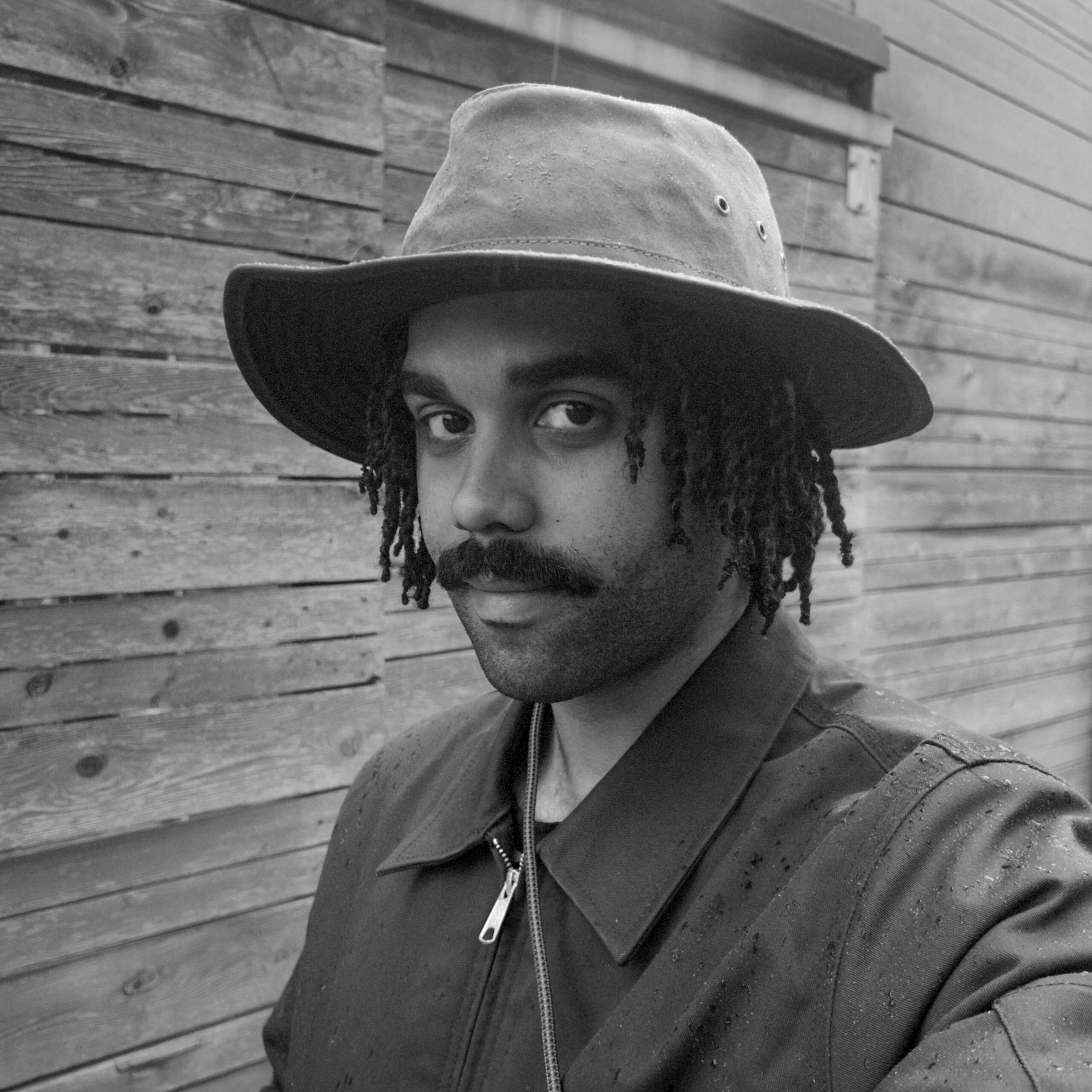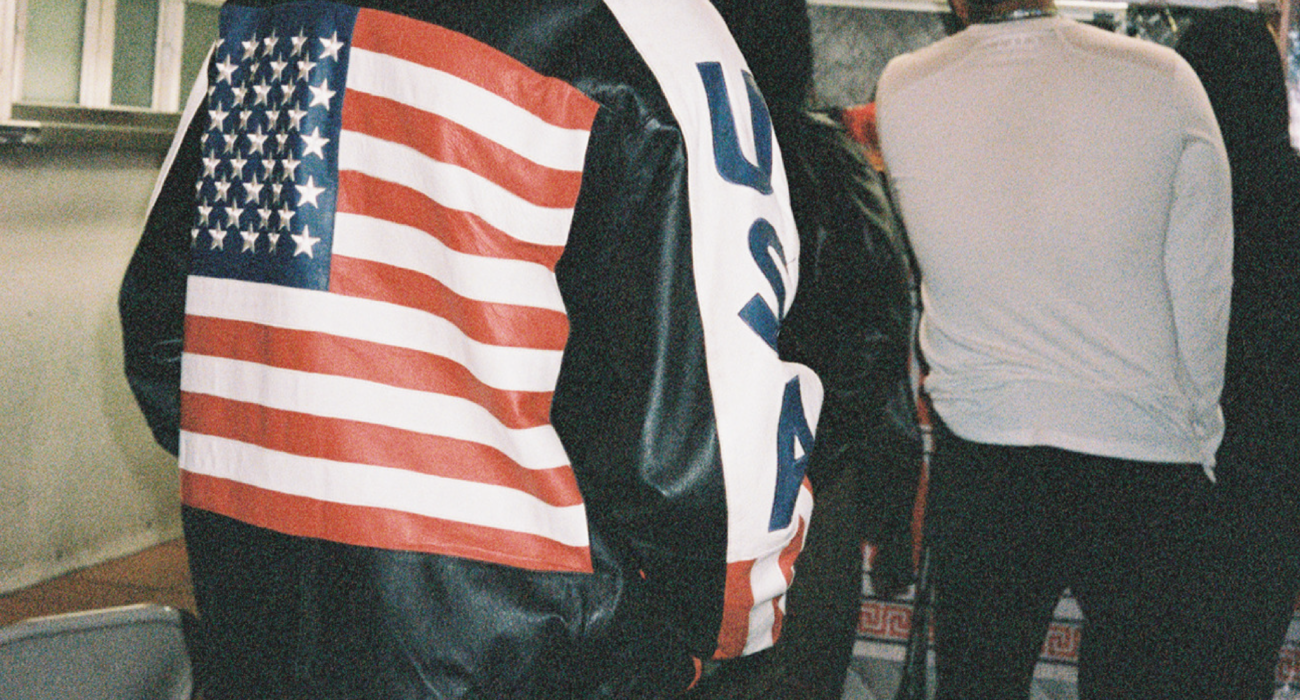
Melissa Joseph

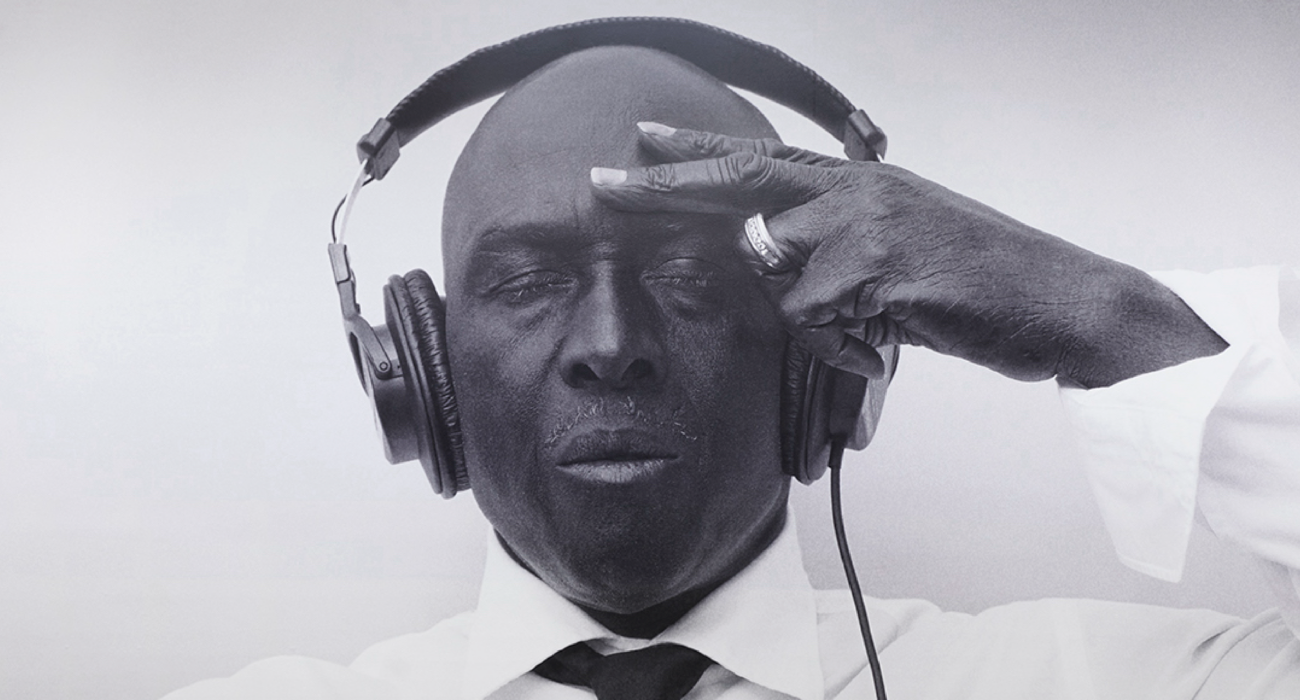
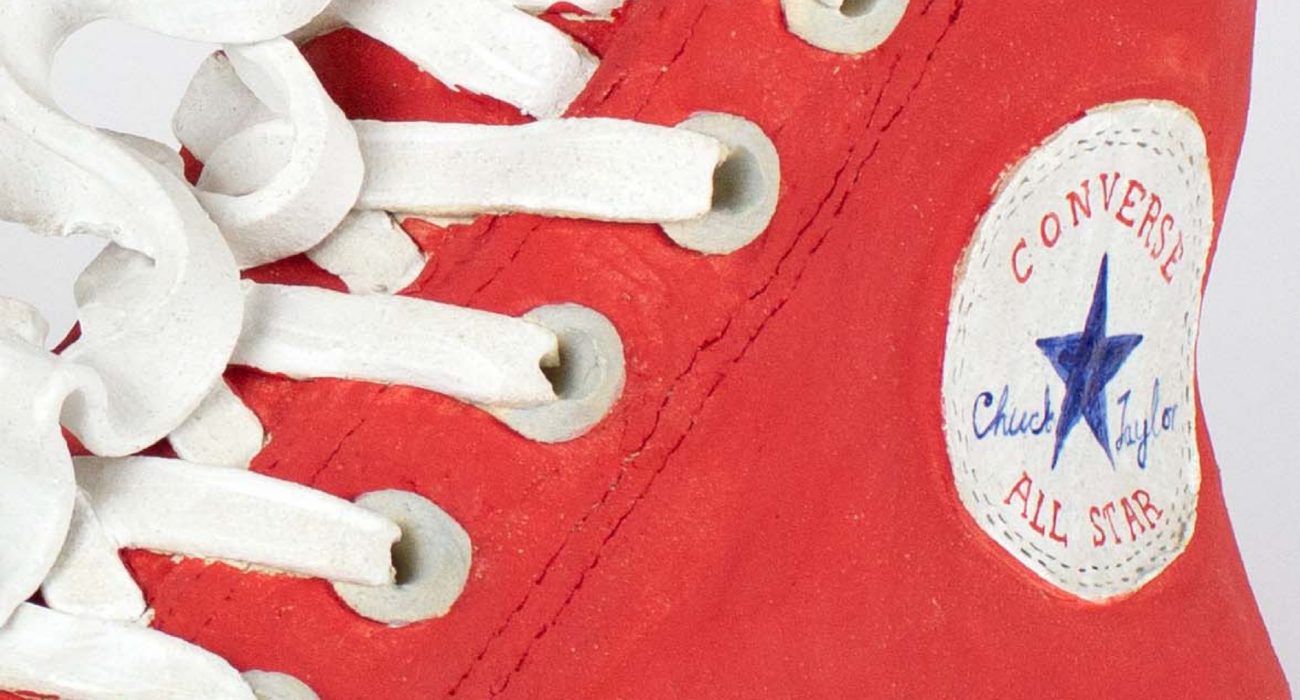
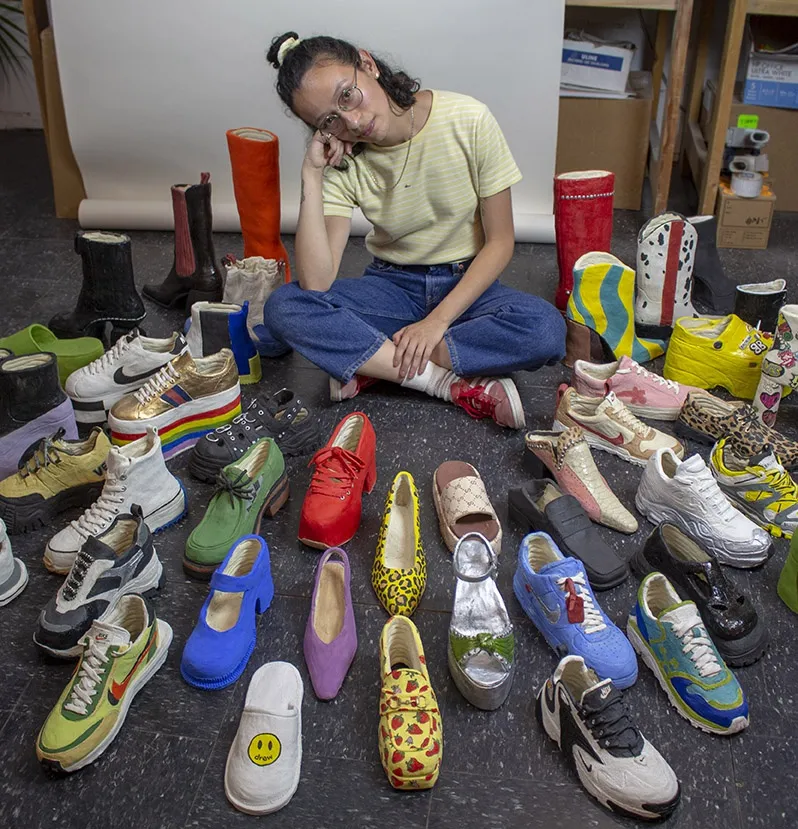
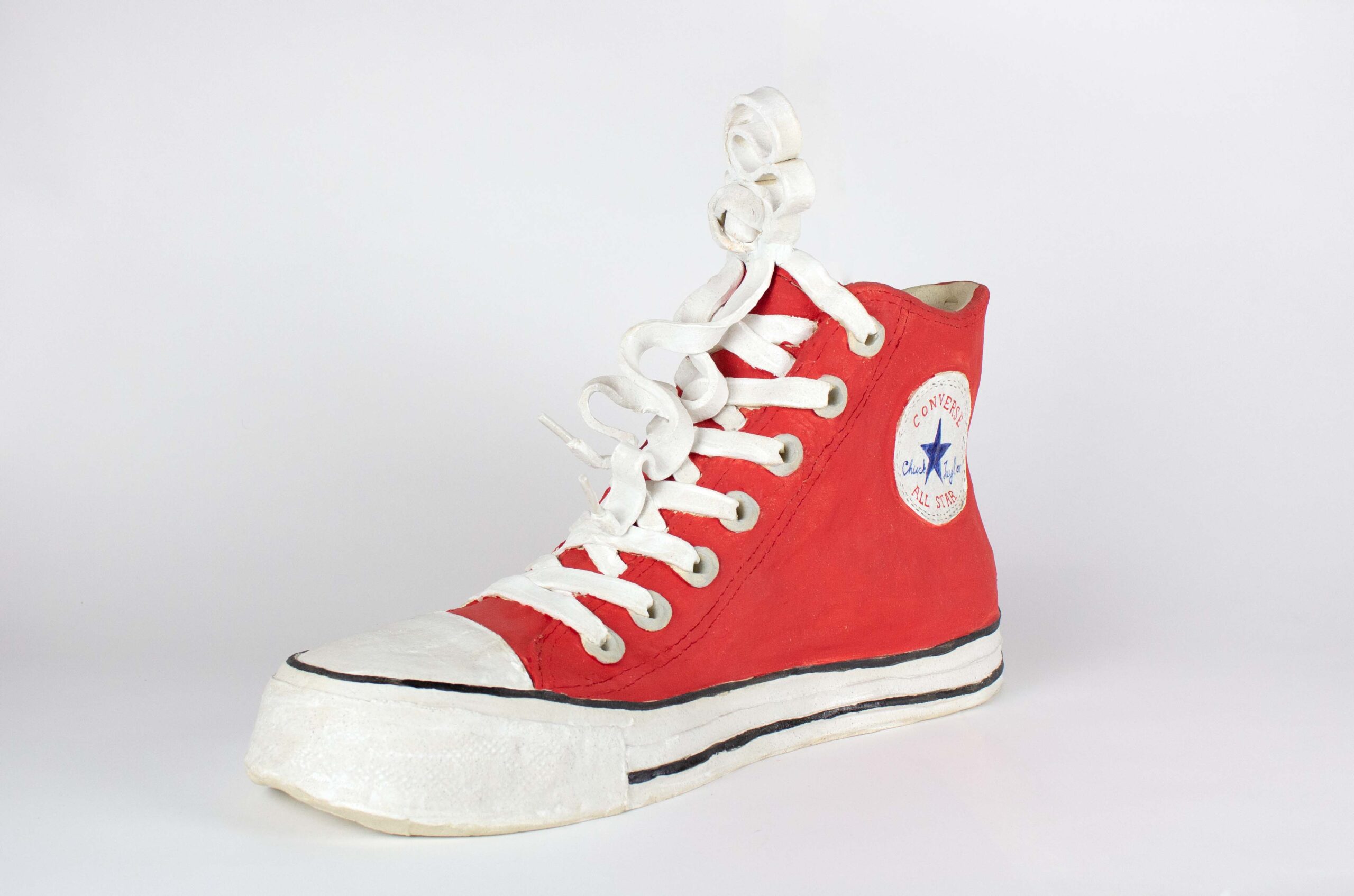
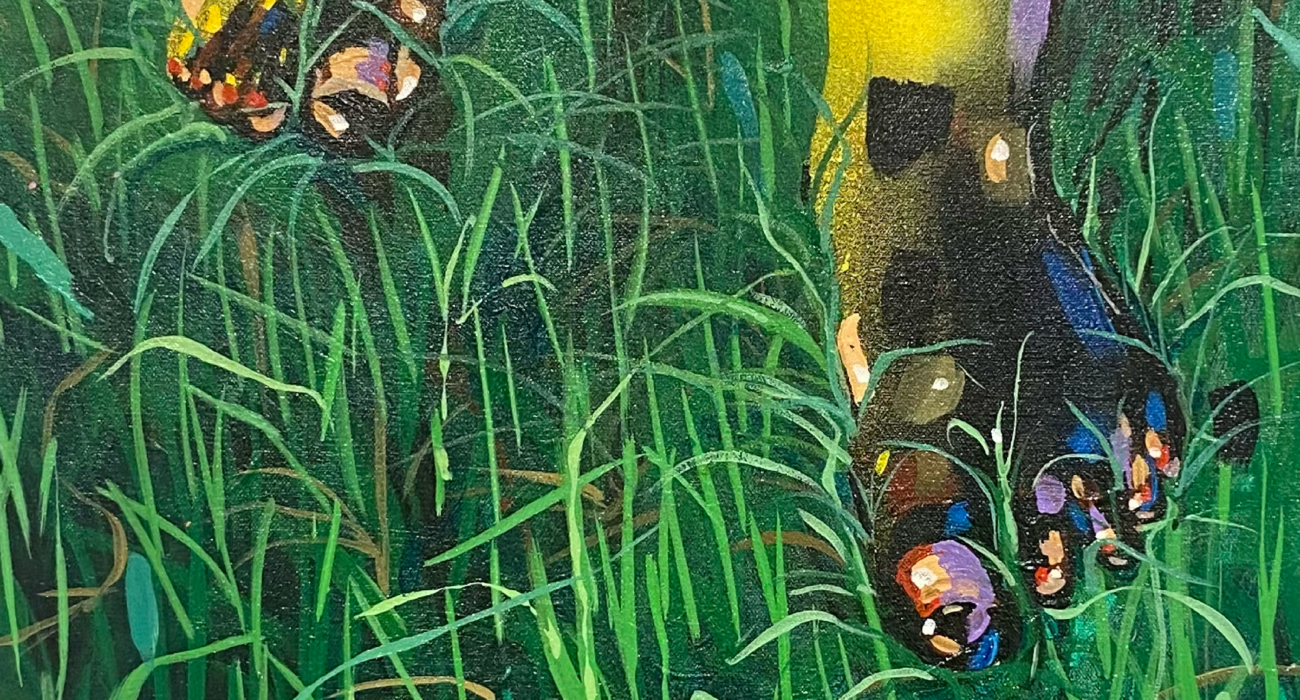
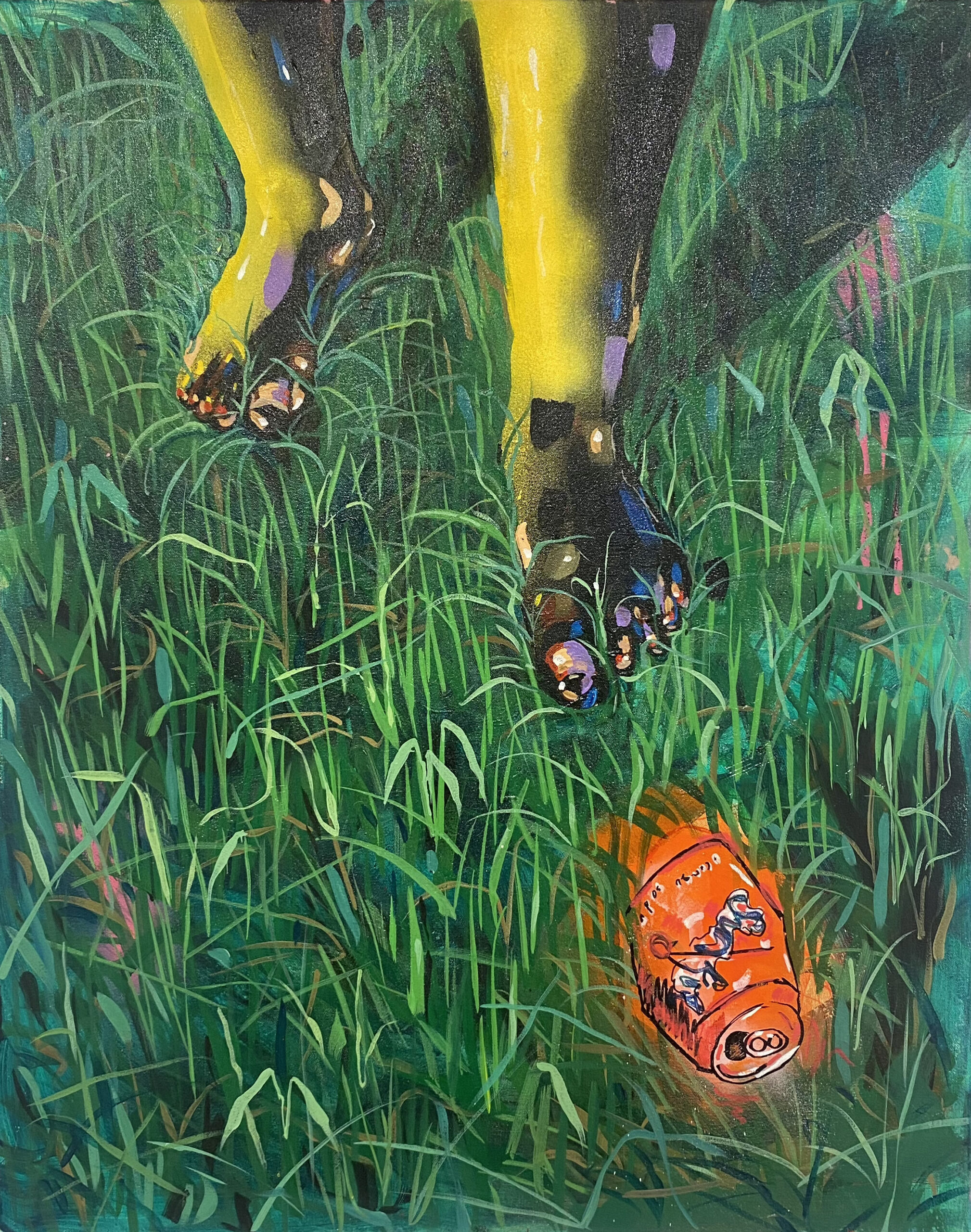
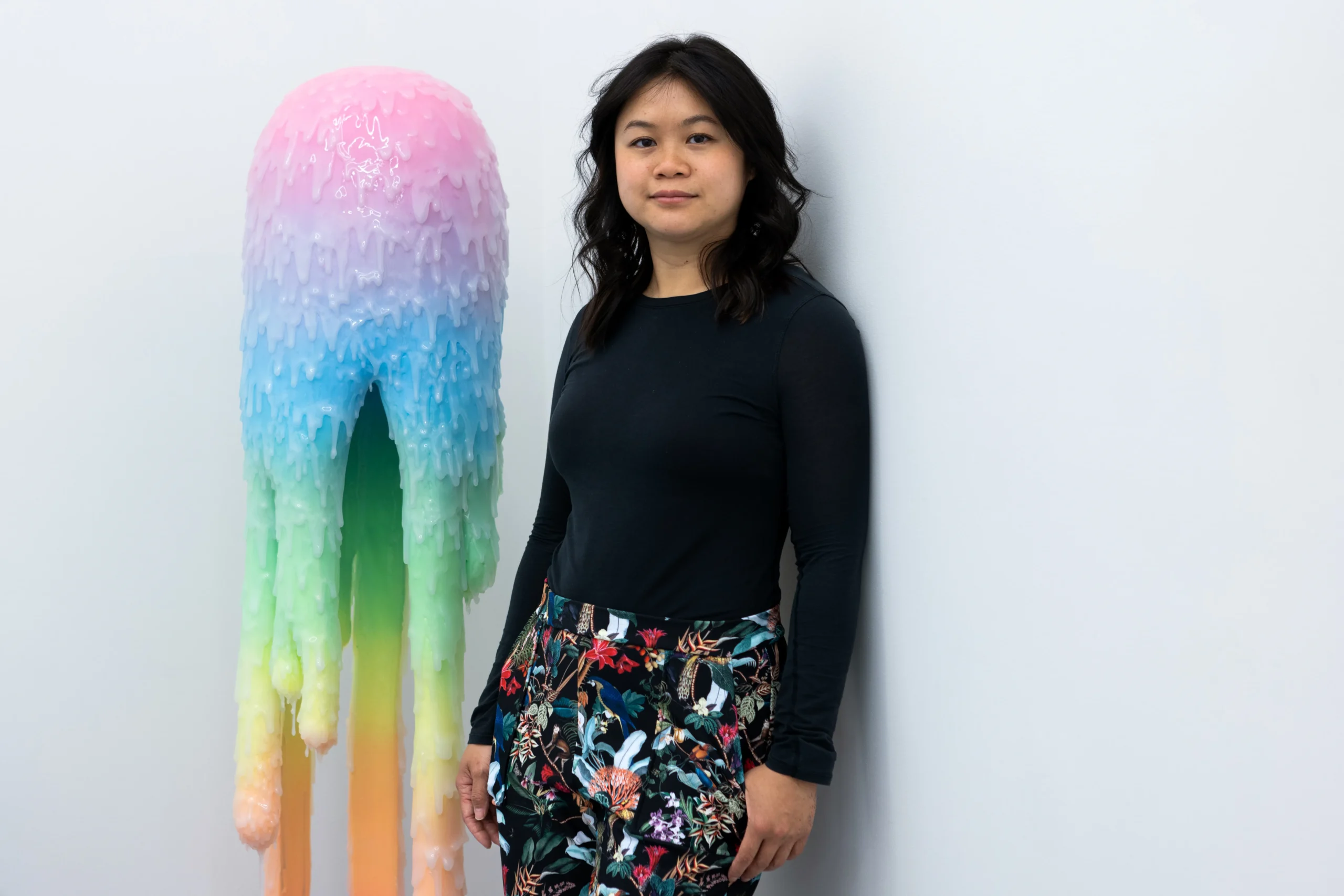
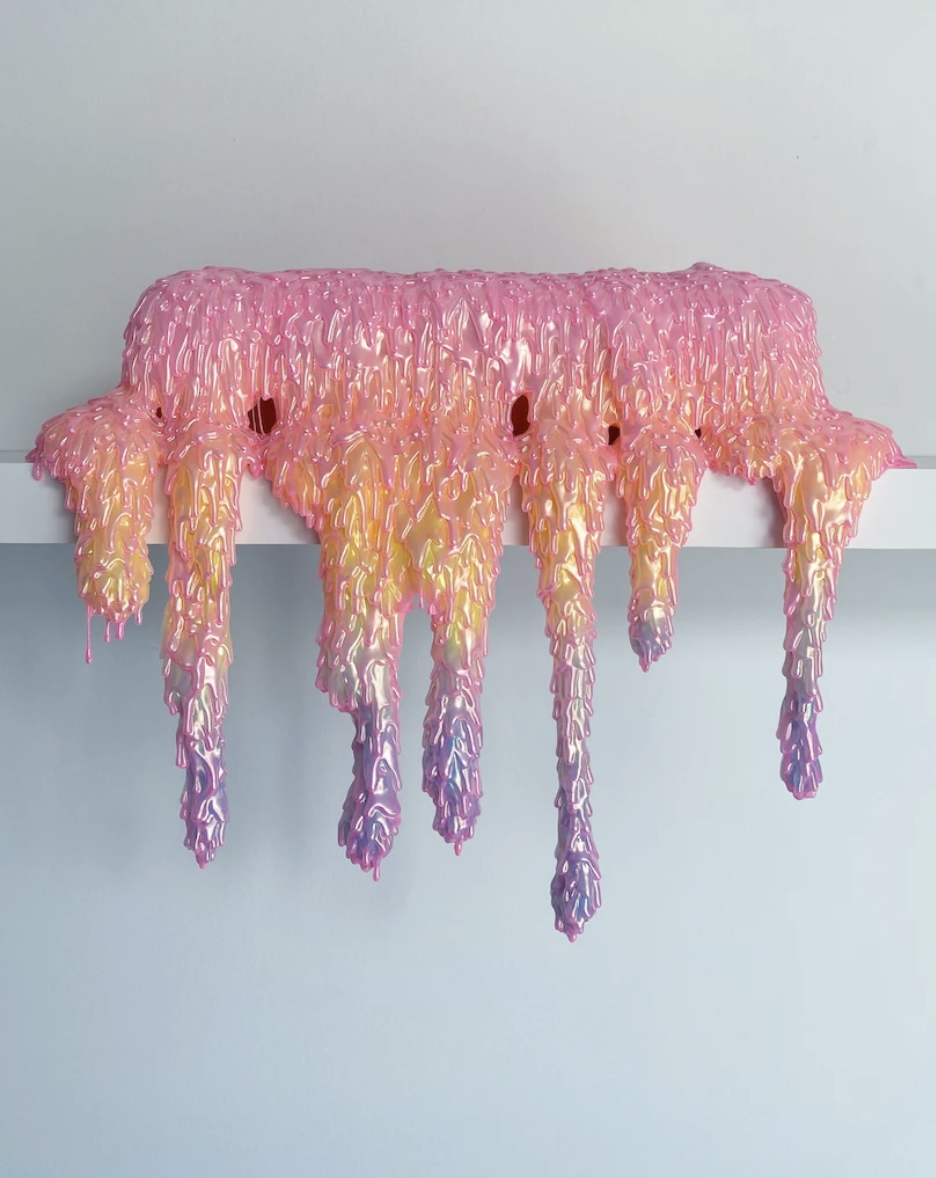
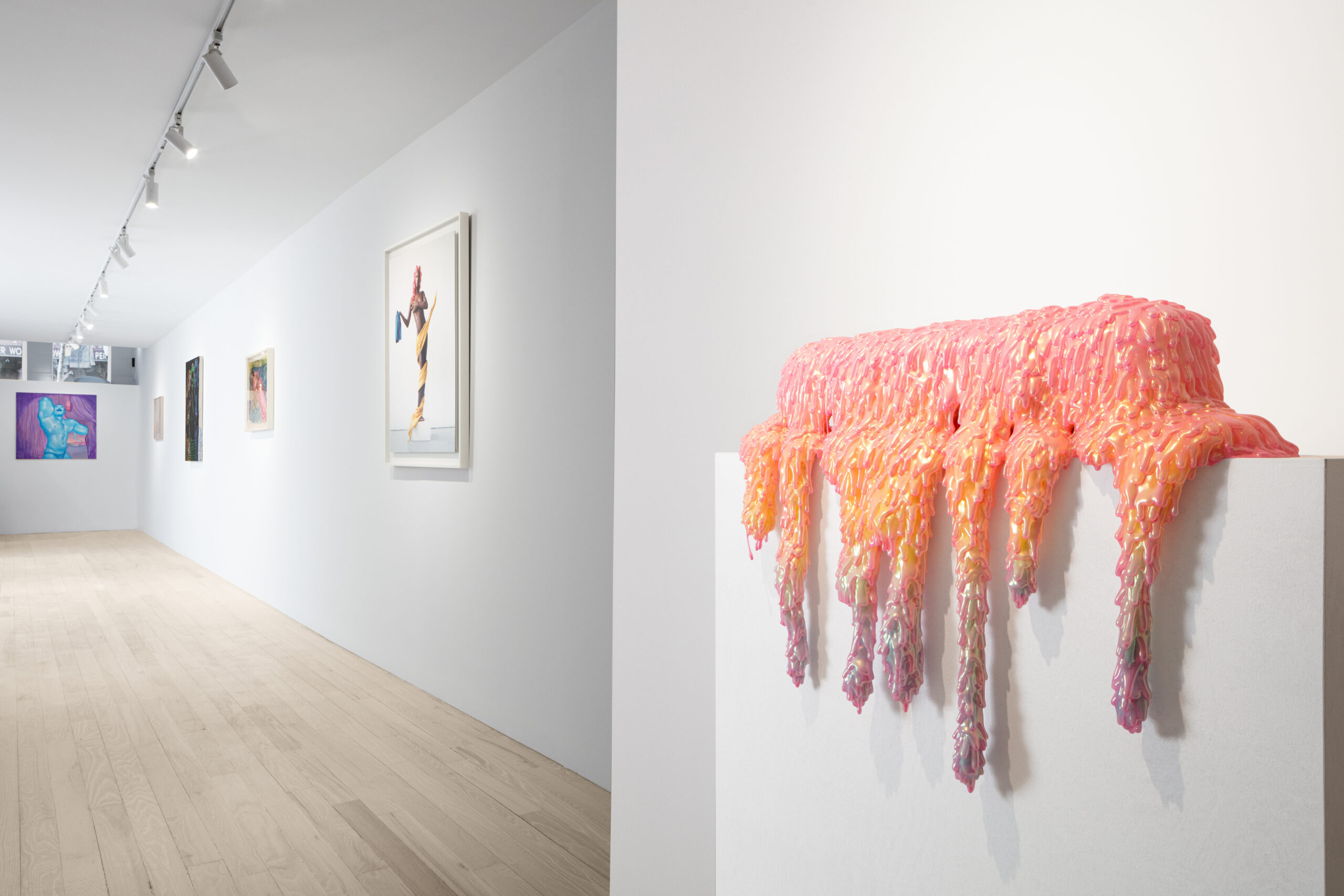
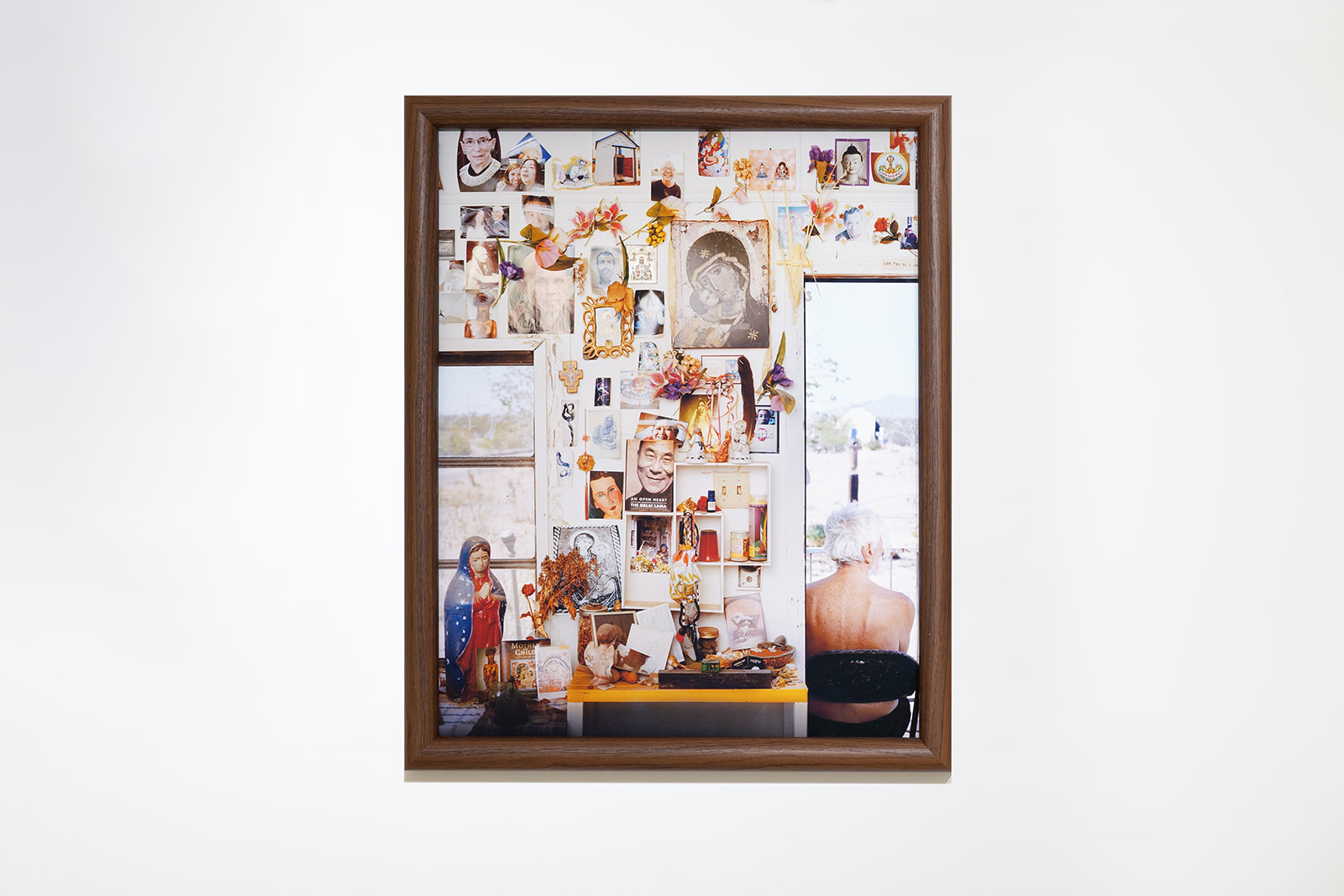
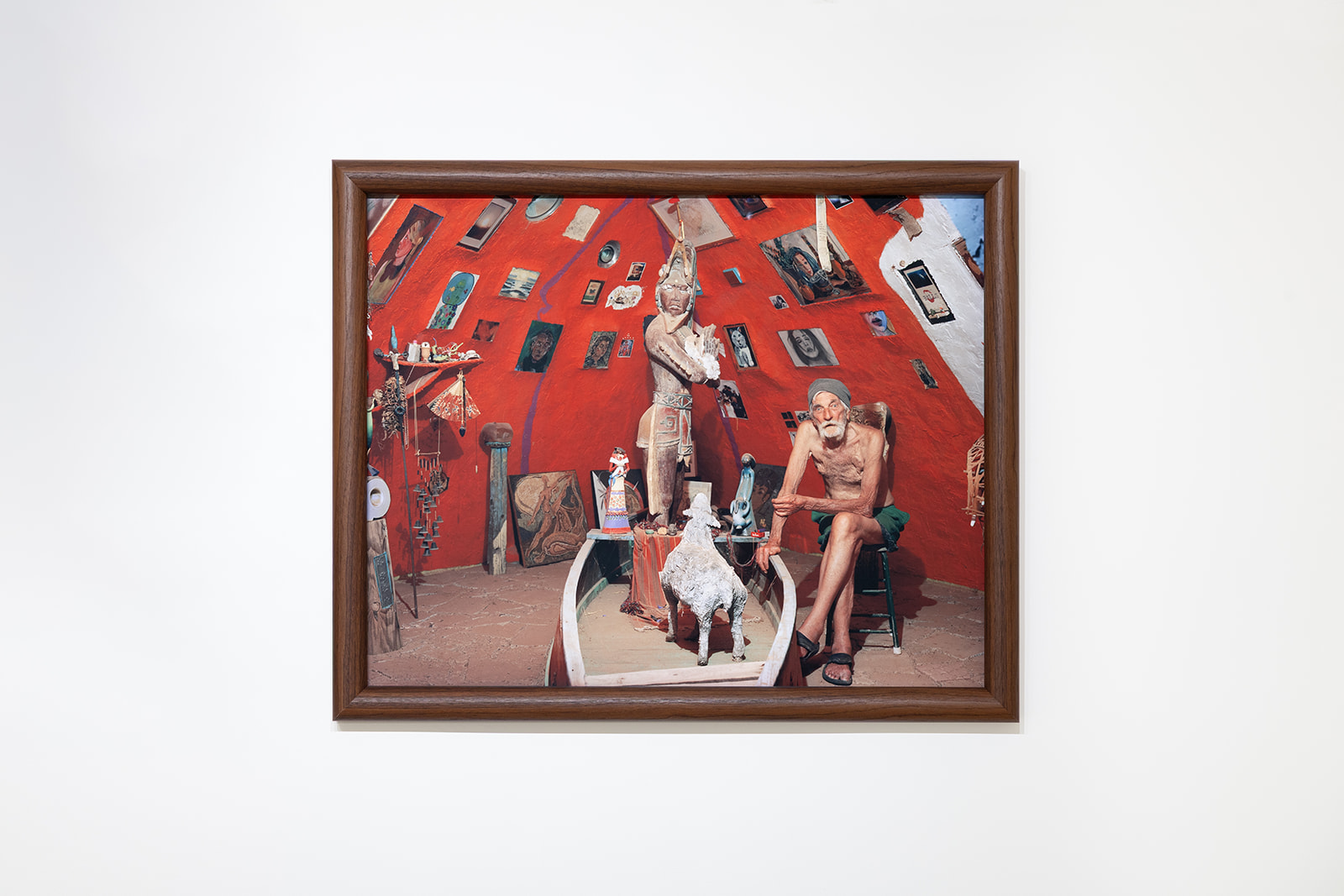
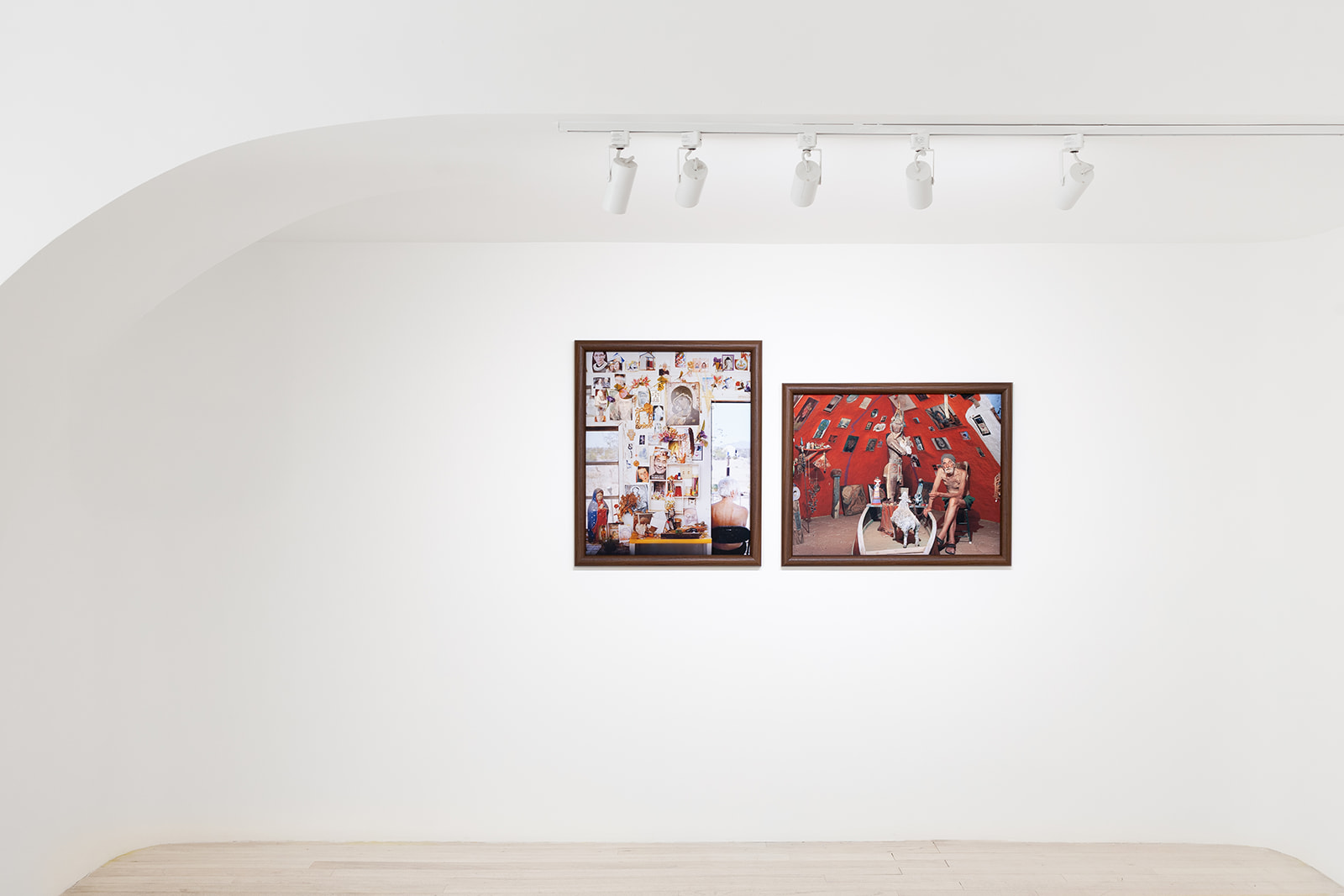
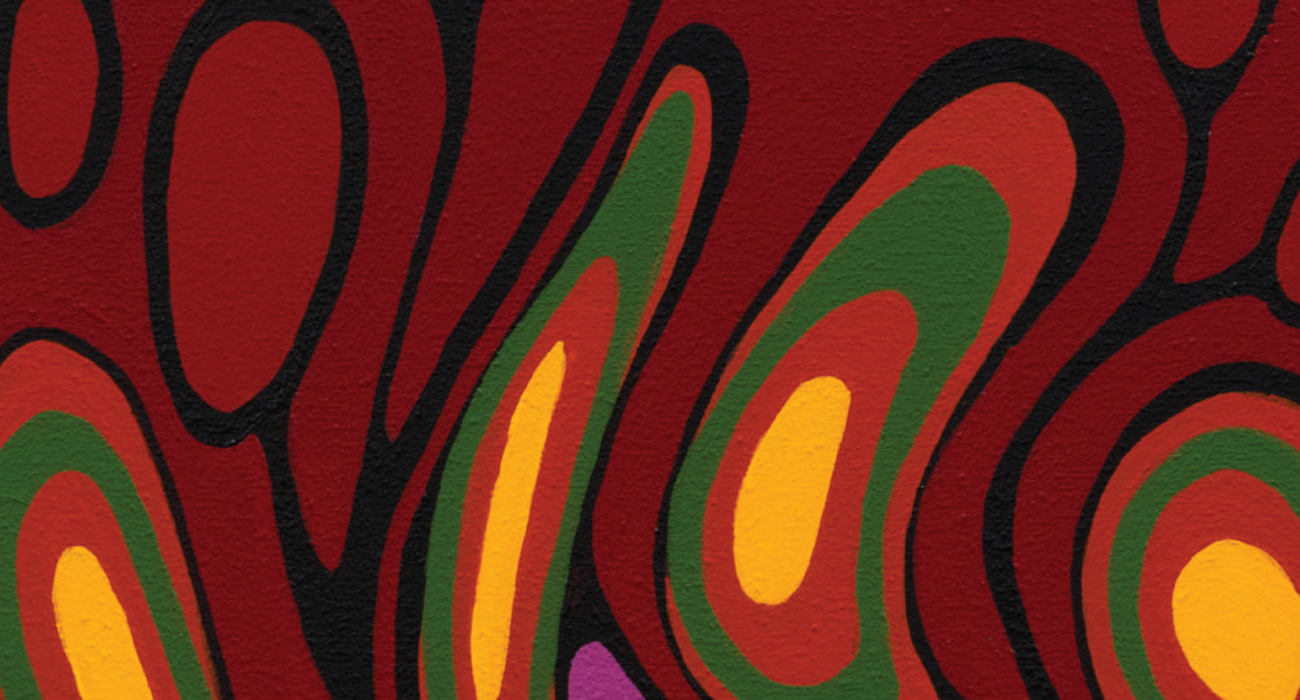
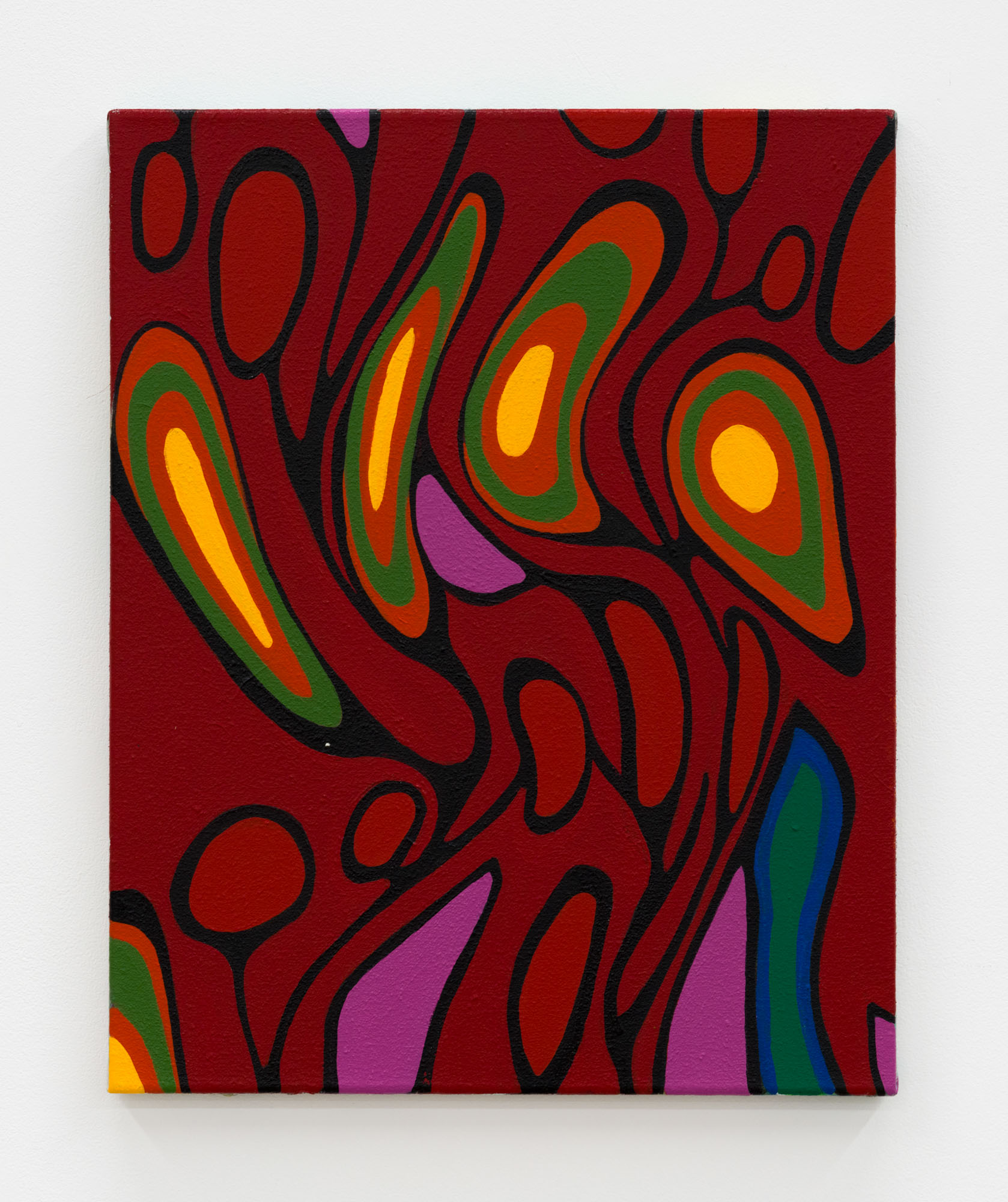
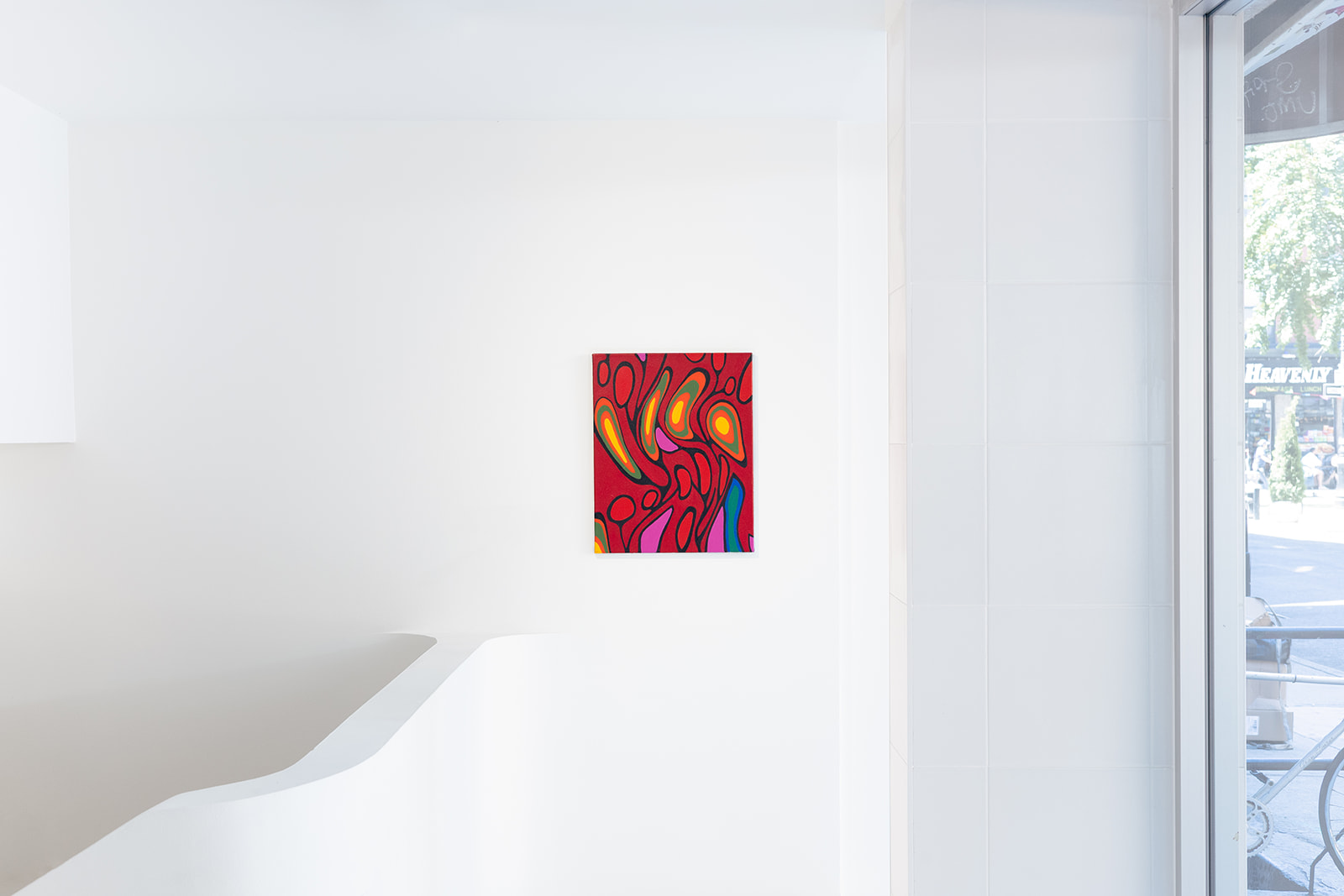
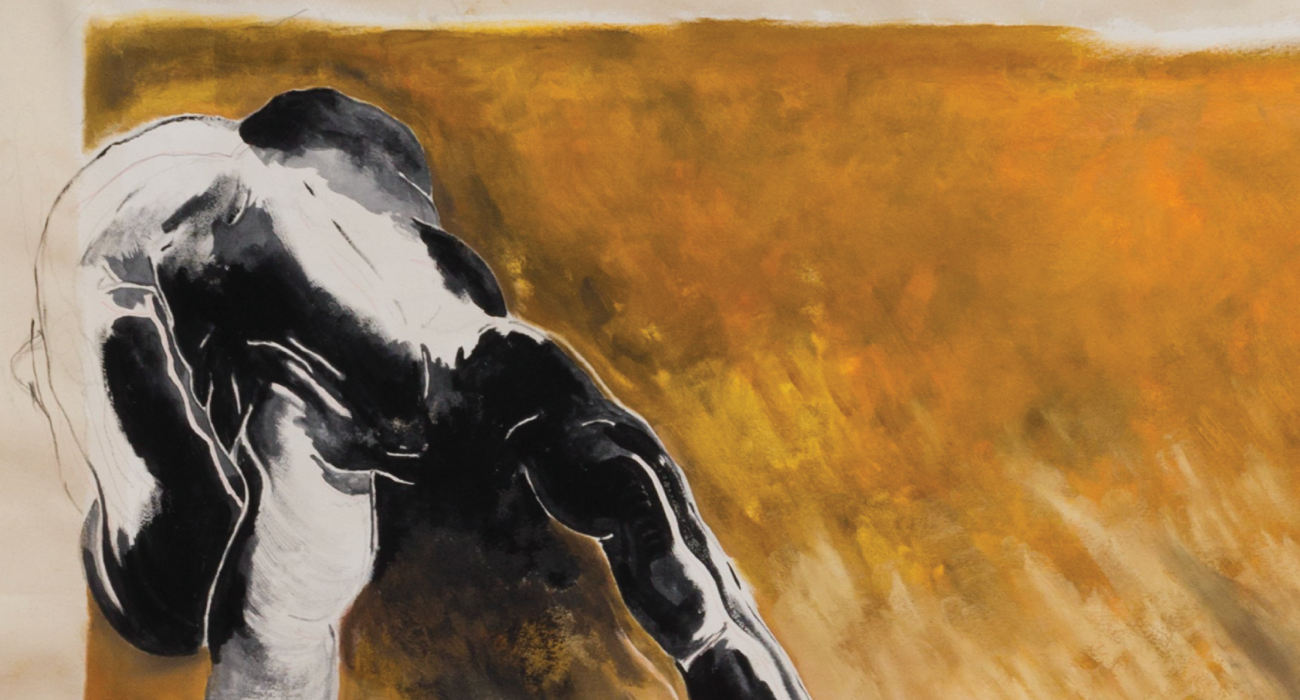
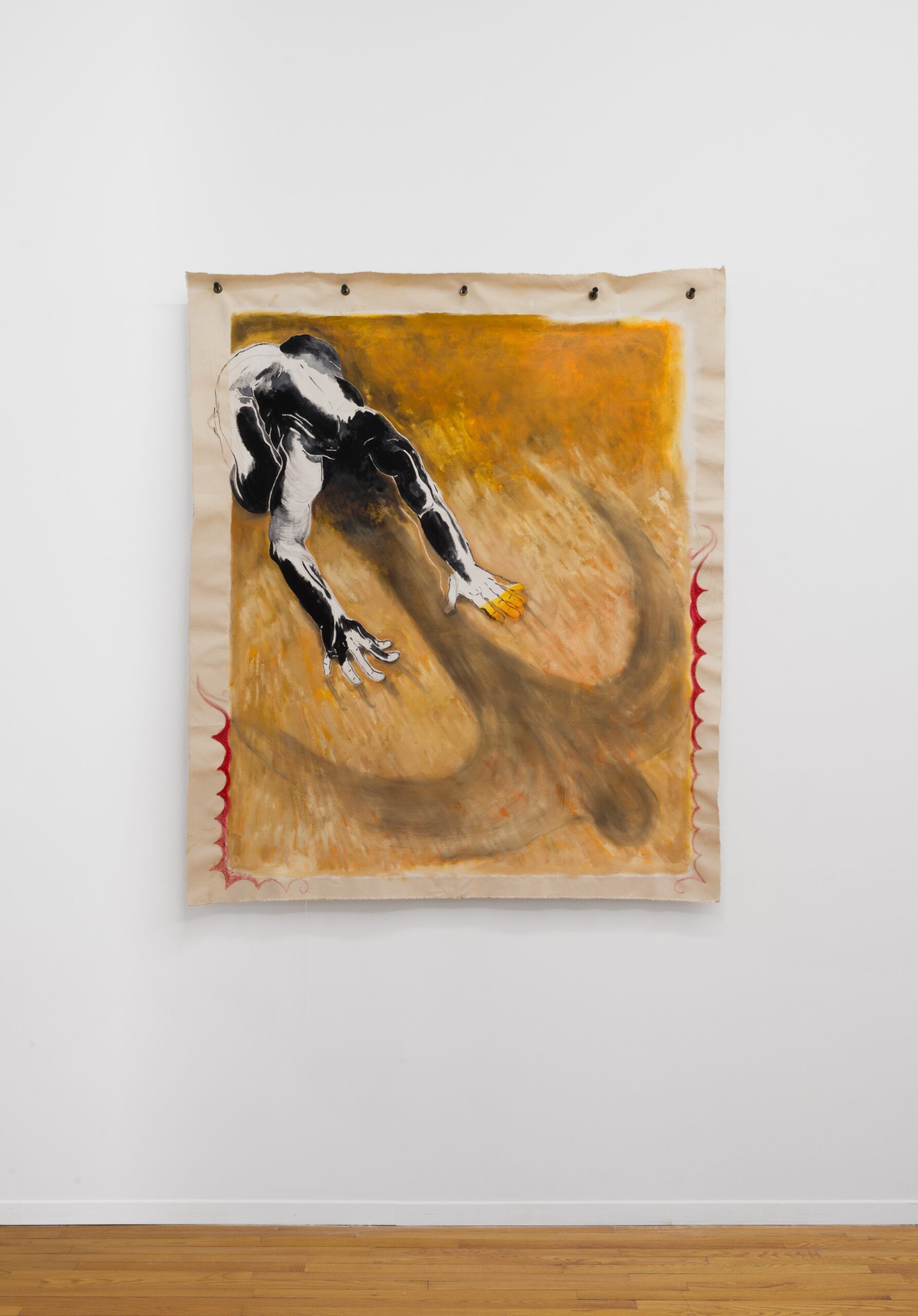
Melissa Joseph, Julie and Beethoven (detail), 2021

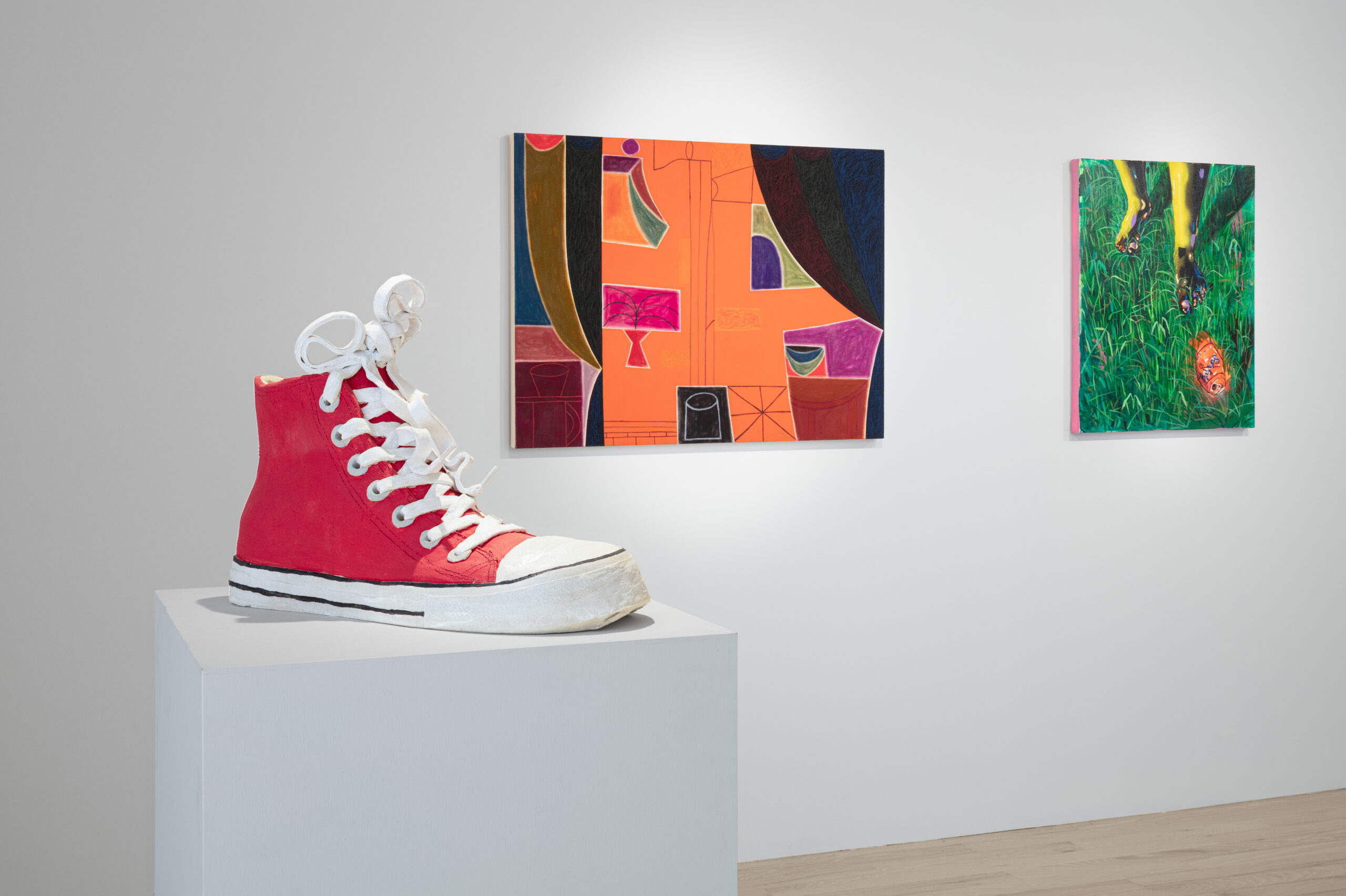
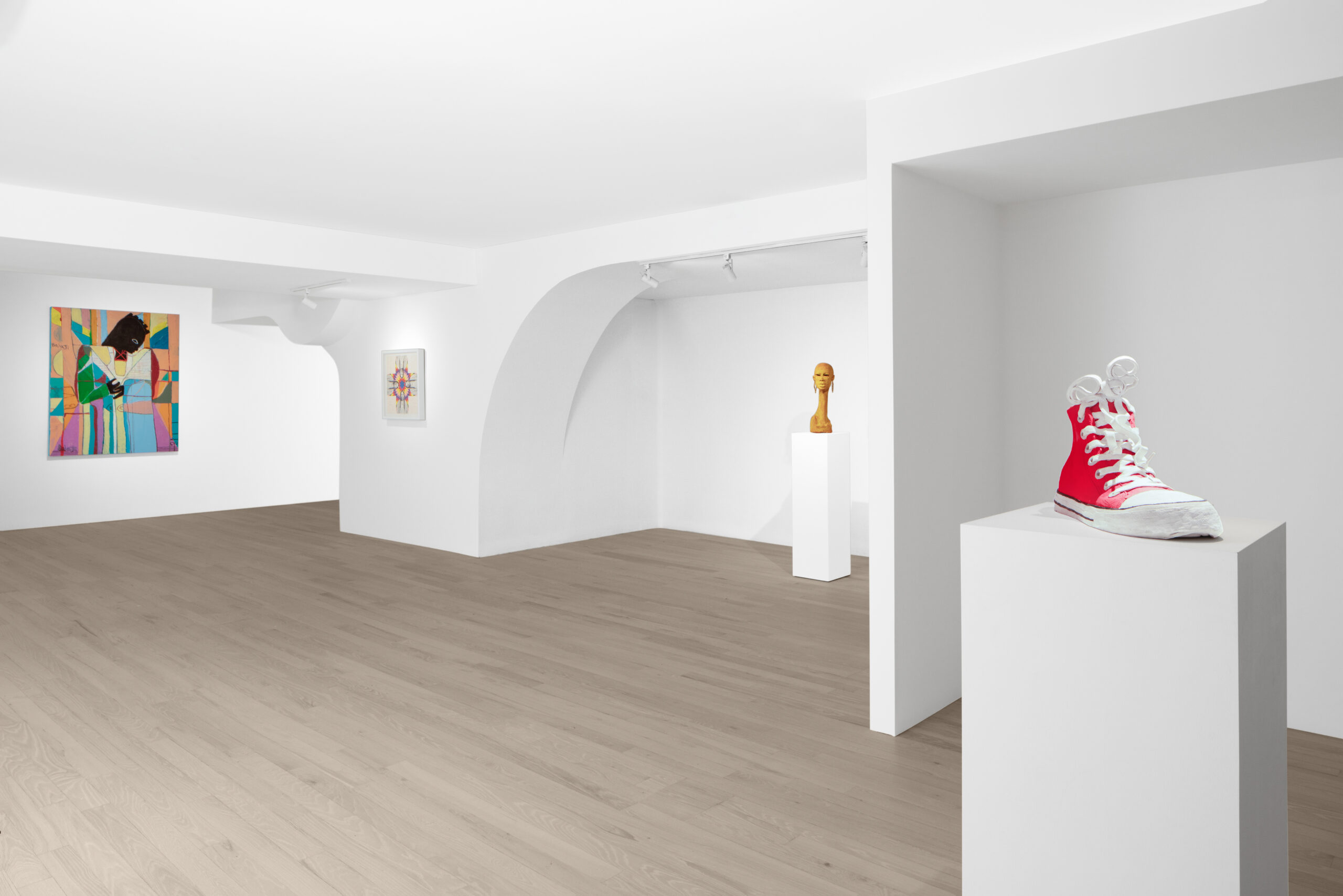
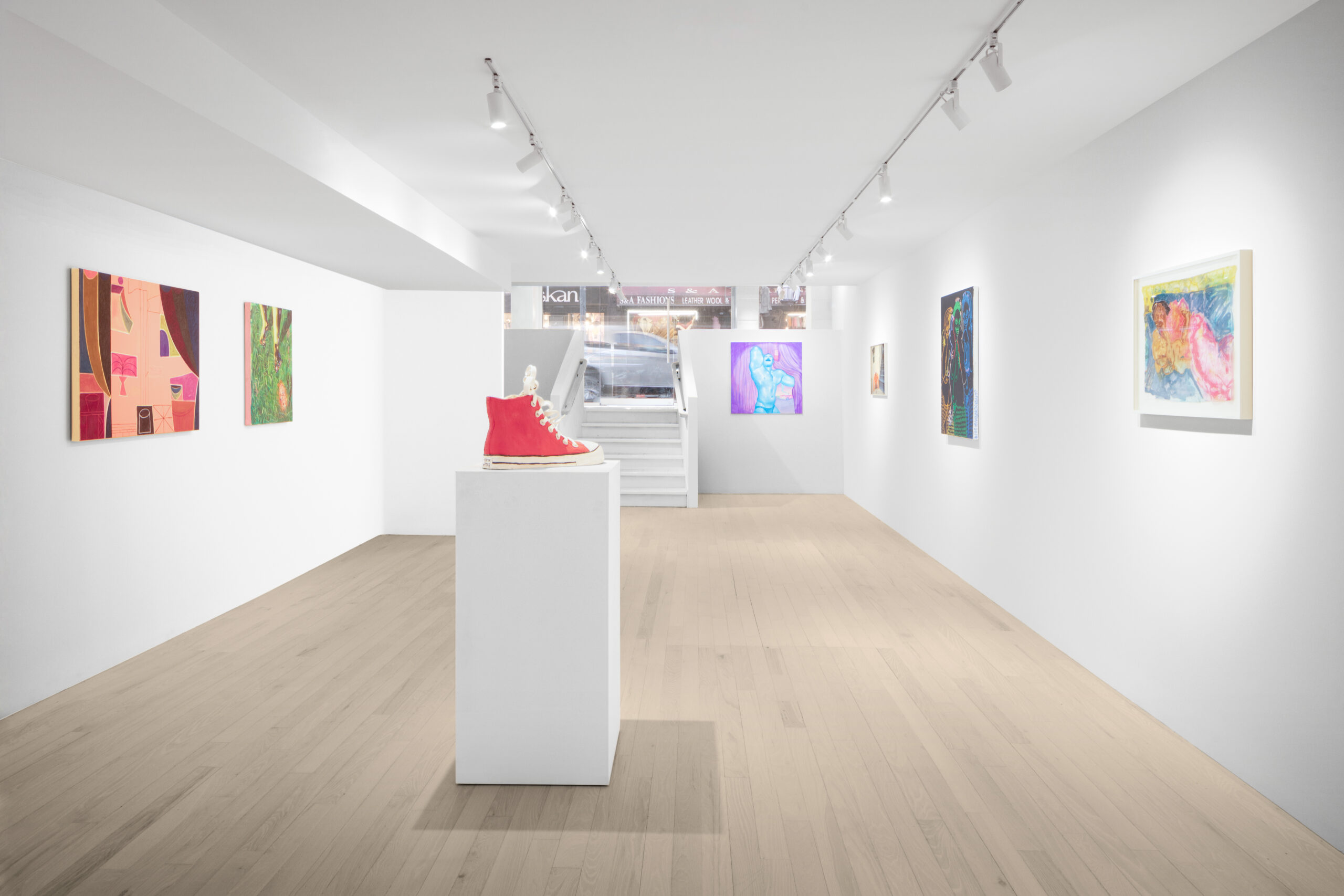
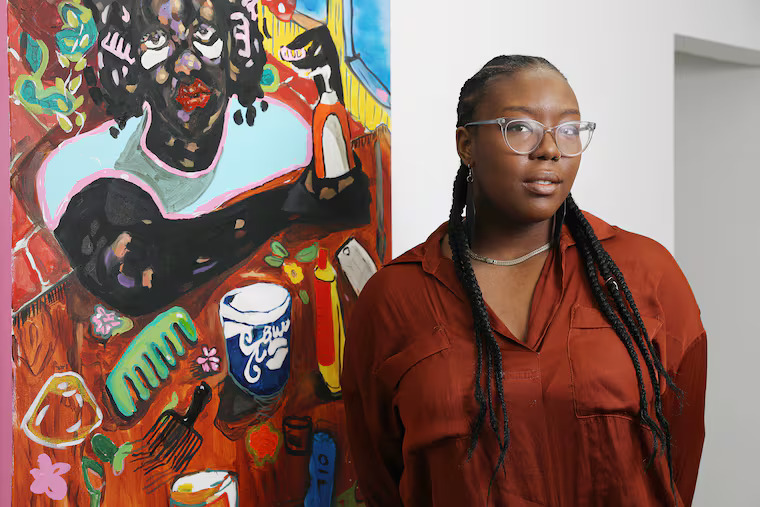
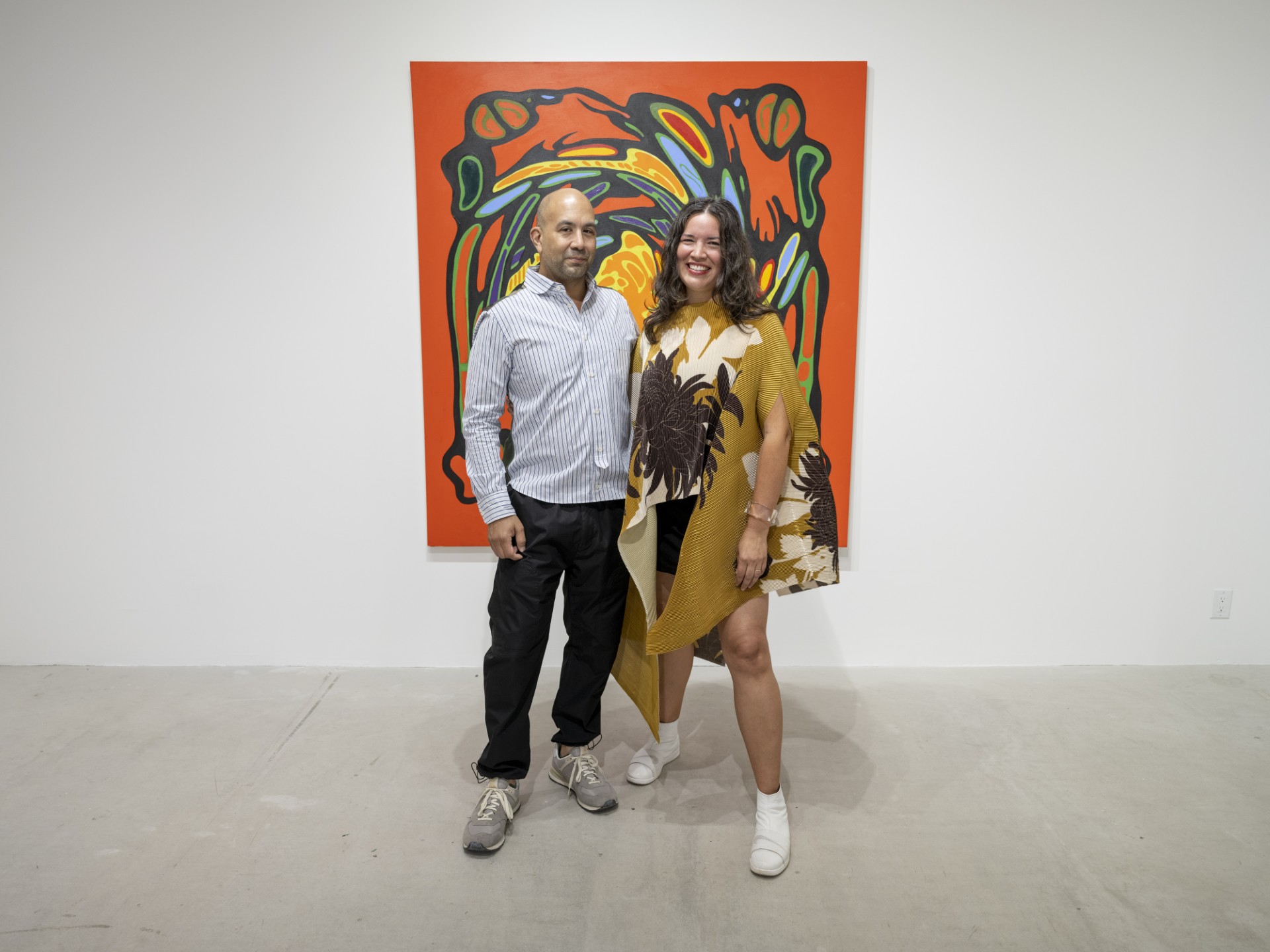
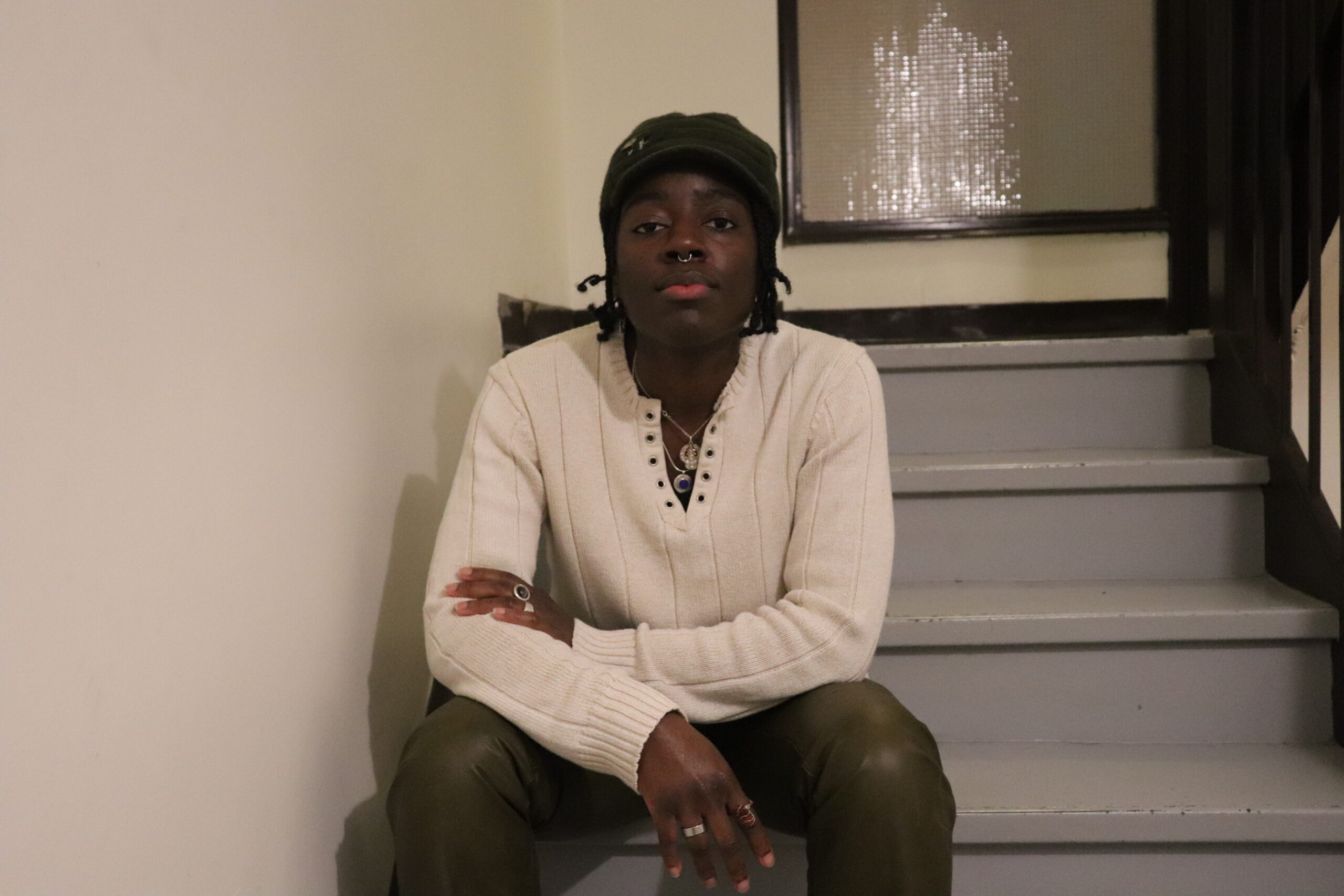
Melissa Joseph is a New York based artist. Her work considers themes of memory, family history, and the politics of how we occupy spaces. She intentionally alludes to the labors of women as well as experiences as a first generation American and the unique juxtapositions of diasporic life. Her work has been shown at the Brooklyn Museum, Delaware Contemporary, Utah Museum of Contemporary Art, MOCA Arlington, ICA San Francisco, and List Gallery at Swarthmore College. She has been featured in Hyperallergic, Art Forum, Artnet, Artnews, New American Paintings, WNYC, Le Monde, Vogue, CNN, Whitewall, Family Style, and participated in residencies including Artpace, Dieu Donné Workspace Residency, The Textile Arts Center, BRIC, Fountainhead, the Archie Bray Foundation for Ceramic Arts, the Museum of Arts and Design, Greenwich House Pottery, the Dora Maar Cultural Center and Cove Park. She is the recipient of the 2025 UOVO Prize by the Brooklyn Museum, the 2025 Eden Art Foundation Artists Now Award, and a regular contributor to BOMB Magazine.

Melissa Joseph is a New York based artist. Her work considers themes of memory, family history, and the politics of how we occupy spaces. She intentionally alludes to the labors of women as well as experiences as a first generation American and the unique juxtapositions of diasporic life. Her work has been shown at the Brooklyn Museum, Delaware Contemporary, Utah Museum of Contemporary Art, MOCA Arlington, ICA San Francisco, and List Gallery at Swarthmore College. She has been featured in Hyperallergic, Art Forum, Artnet, Artnews, New American Paintings, WNYC, Le Monde, Vogue, CNN, Whitewall, Family Style, and participated in residencies including Artpace, Dieu Donné Workspace Residency, The Textile Arts Center, BRIC, Fountainhead, the Archie Bray Foundation for Ceramic Arts, the Museum of Arts and Design, Greenwich House Pottery, the Dora Maar Cultural Center and Cove Park. She is the recipient of the 2025 UOVO Prize by the Brooklyn Museum, the 2025 Eden Art Foundation Artists Now Award, and a regular contributor to BOMB Magazine.

Back to Artists

Adébayo Bolaji

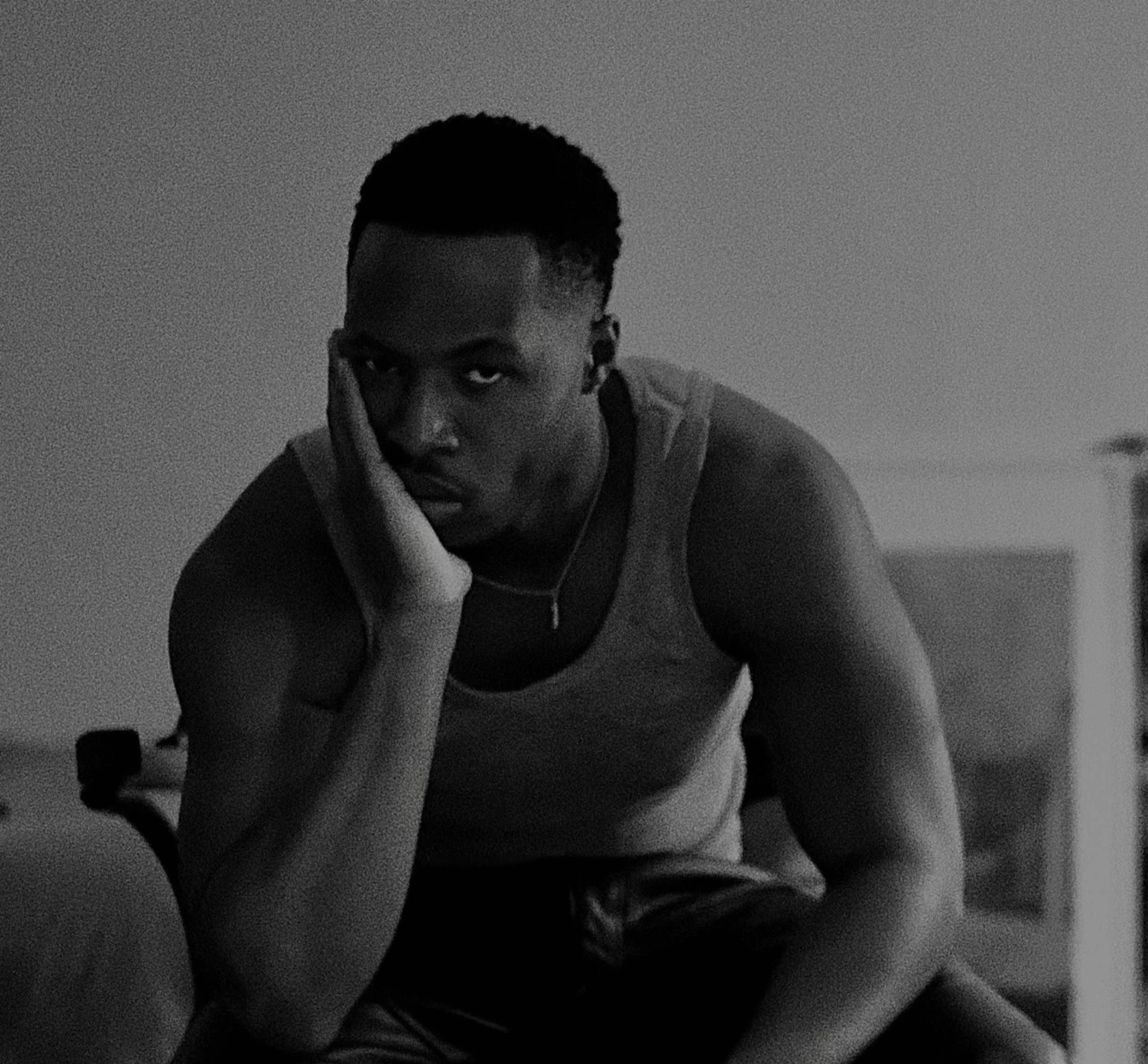
Adébayo Bolaji, Patience (detail), 2022

Adébayo Bolaji is a multidisciplinary artist living and working in London, whose paintings merge figuration with abstraction to build allegorical compositions steeped in symbolism, metaphor, and psychological depth. Dynamic profiles emerge from a kaleidoscope of fragmented forms and radiant color, evoking a dreamlike space charged with chaos and movement — drawing from history, anthropology, religion, and popular culture to probe questions of identity, power, and cultural memory. At the centre of his practice is a dialogue of change and metaphysical conversations on what it means to surrender and let go. Bolaji has exhibited internationally in London, Zurich, Berlin, and New York, including a two-person exhibition at the Saatchi Gallery and a significant solo museum show at the Arnolfini in Bristol in 2024. He has participated in artist residencies including Yinka Shonibare MBE Guest Projects (2017) and residencies in New York, Margate, and Jaipur, India, and his work has been featured in prominent publications alongside speaking engagements at institutions such as Mall Galleries London and Penn State University. Beyond painting, he is a published poet, theatre director at Park Theatre London, and founder of Ex Nihilo Theatre Group, holding a degree from the Central School of Speech and Drama and a Law degree from London Guildhall University. In 2023, he unveiled a permanent 3m x 3m public sculpture at Central Plaza Park in Acton Gardens, and in 2025 his painting Time and Place was revealed for Darlington’s 200th anniversary, permanently installed in the station’s new waiting room to celebrate its place in history as the world’s first steam passenger and goods railway.

Adébayo Bolaji is a multidisciplinary artist living and working in London, whose paintings merge figuration with abstraction to build allegorical compositions steeped in symbolism, metaphor, and psychological depth. Dynamic profiles emerge from a kaleidoscope of fragmented forms and radiant color, evoking a dreamlike space charged with chaos and movement — drawing from history, anthropology, religion, and popular culture to probe questions of identity, power, and cultural memory. At the centre of his practice is a dialogue of change and metaphysical conversations on what it means to surrender and let go. Bolaji has exhibited internationally in London, Zurich, Berlin, and New York, including a two-person exhibition at the Saatchi Gallery and a significant solo museum show at the Arnolfini in Bristol in 2024. He has participated in artist residencies including Yinka Shonibare MBE Guest Projects (2017) and residencies in New York, Margate, and Jaipur, India, and his work has been featured in prominent publications alongside speaking engagements at institutions such as Mall Galleries London and Penn State University. Beyond painting, he is a published poet, theatre director at Park Theatre London, and founder of Ex Nihilo Theatre Group, holding a degree from the Central School of Speech and Drama and a Law degree from London Guildhall University. In 2023, he unveiled a permanent 3m x 3m public sculpture at Central Plaza Park in Acton Gardens, and in 2025 his painting Time and Place was revealed for Darlington’s 200th anniversary, permanently installed in the station’s new waiting room to celebrate its place in history as the world’s first steam passenger and goods railway.

Back to Artists

Ismail Zaidy

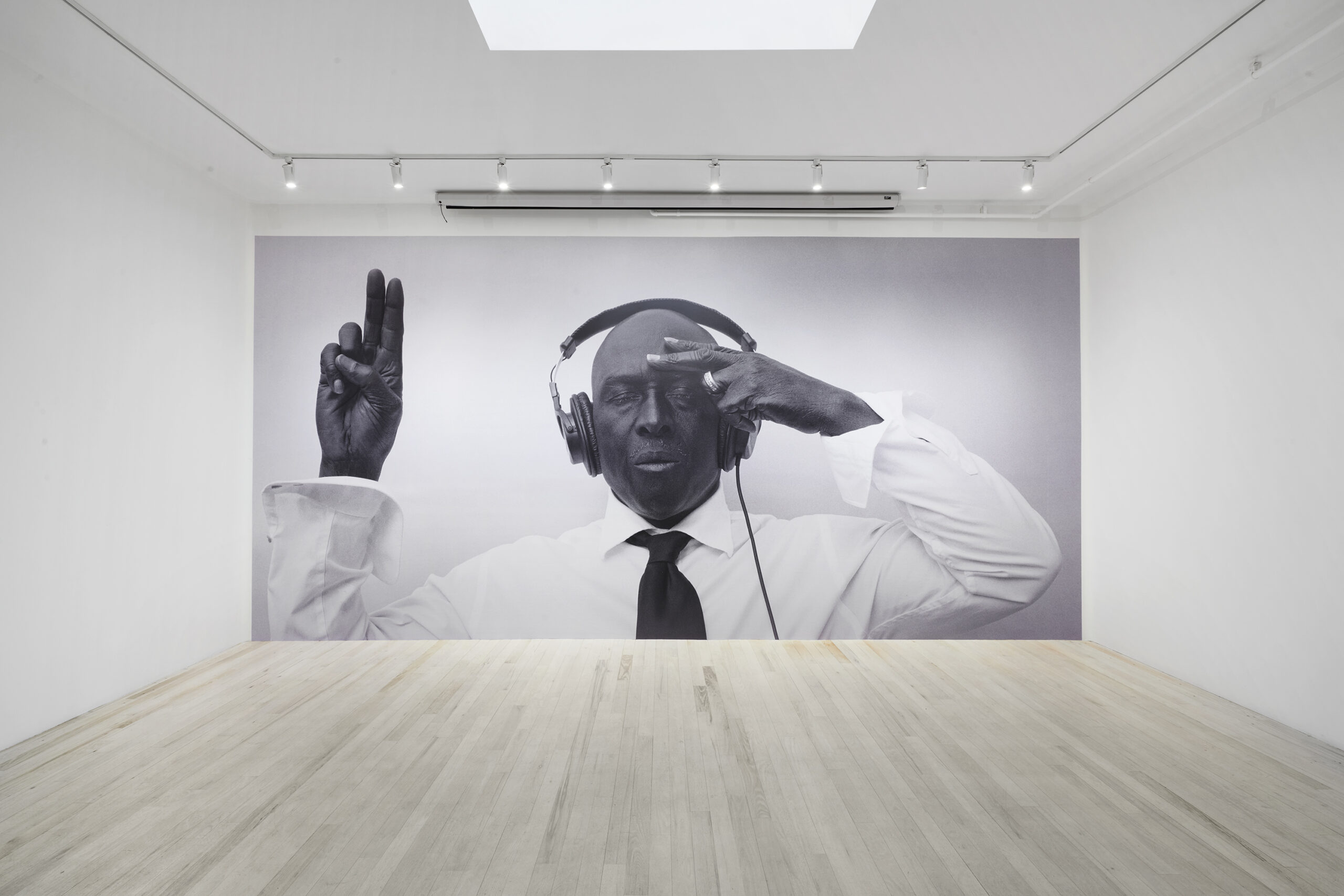
Ismail Zaidy, Strained Bonds (detail), 2018

Ismail Zaidy is a self-taught Moroccan photographer born in 1997 in Marrakech, where he continues to live and work. A graduate of Cadi Ayyad University with a degree in International Management, he came to photography not through formal training but through a deep personal need for expression — inspired in part by his mother, who was herself a photographer. Beginning in 2017 with nothing more than a Samsung Galaxy S5, he transformed the rooftop of his family home into his primary creative space, which he affectionately named Studio Sa3ada — Arabic for “Studio of Happiness.” His practice is centered on family as both subject and collaborator, with his younger brother and sister frequently appearing as models in compositions that blend pastel colors, traditional Moroccan fabrics, and minimalist abstraction to explore themes of gender equality, unity, love, and cultural identity. His work caught international attention early, earning him the prize for best Moroccan Instagram account at the Maroc Web Awards, and has since been featured in GQ and Vogue Arabia, shown at international art fairs in Paris and London, and displayed on a Times Square billboard in New York. He has also ventured into the NFT space through platforms such as SuperRare, and participated in the Artists for Morocco earthquake relief initiative alongside some of Morocco’s most celebrated artists.

Ismail Zaidy is a self-taught Moroccan photographer born in 1997 in Marrakech, where he continues to live and work. A graduate of Cadi Ayyad University with a degree in International Management, he came to photography not through formal training but through a deep personal need for expression — inspired in part by his mother, who was herself a photographer. Beginning in 2017 with nothing more than a Samsung Galaxy S5, he transformed the rooftop of his family home into his primary creative space, which he affectionately named Studio Sa3ada — Arabic for “Studio of Happiness.” His practice is centered on family as both subject and collaborator, with his younger brother and sister frequently appearing as models in compositions that blend pastel colors, traditional Moroccan fabrics, and minimalist abstraction to explore themes of gender equality, unity, love, and cultural identity. His work caught international attention early, earning him the prize for best Moroccan Instagram account at the Maroc Web Awards, and has since been featured in GQ and Vogue Arabia, shown at international art fairs in Paris and London, and displayed on a Times Square billboard in New York. He has also ventured into the NFT space through platforms such as SuperRare, and participated in the Artists for Morocco earthquake relief initiative alongside some of Morocco’s most celebrated artists.

Back to Artists

Yoriyas

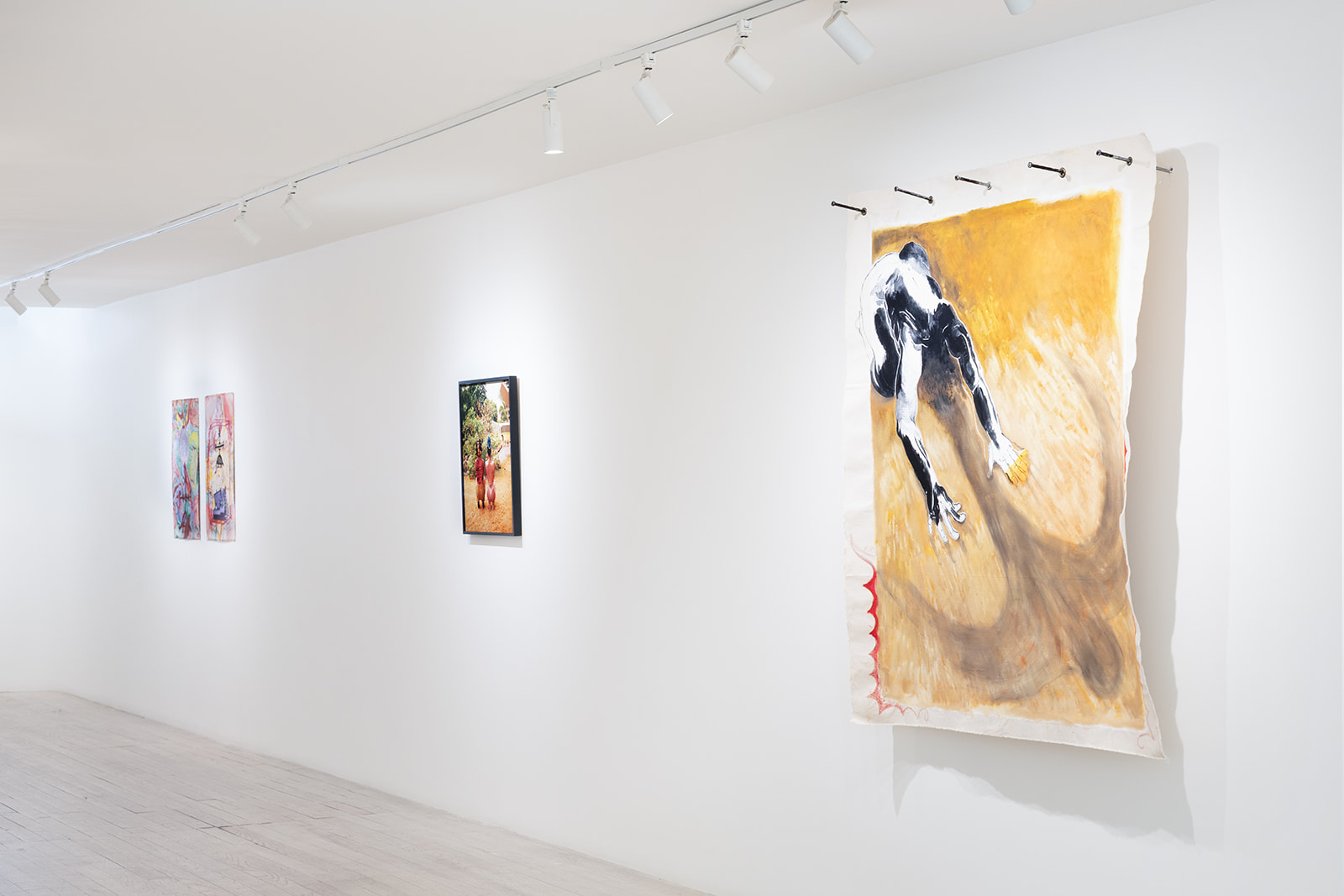
Yoriyas, Like A Dream 'Casablanca Not the Movie', 2016

Yassine Alaoui Ismaili, known as Yoriyas, is a Moroccan street photographer, choreographer, and filmmaker born in 1984 and based in Casablanca. He began his artistic life as a competitive breakdancer, founding the celebrated crew Lhiba Kingzoo at age 16, winning multiple Moroccan championships between 2006 and 2010, and placing third at the World Finals in Copenhagen — becoming one of the first Arabic and African dancers to rank in the world’s top six B-boys. In 2013, a serious knee injury brought his dance career to an abrupt end, and he turned to photography as a new form of expression, drawing on his background in chess, mathematics, and choreography to develop an instantly recognizable visual language built on intuitive composition, bold color, and a masterful sense of movement and space. His most celebrated body of work, Casablanca Not the Movie — begun in 2014 — is a love letter to his hometown and a deliberate rebuttal of the Orientalist and Hollywood-driven images that have long defined the city’s global perception. His work has been featured in the New York Times and National Geographic, exhibited internationally at institutions including the Institut du Monde Arabe in Paris, the Tropenmuseum in Amsterdam, the Aga Khan Museum in Toronto, and Kyotographie in Japan, and is held in the collections of the Royal Collection of Morocco, the Hermès Foundation, and the Barjeel Art Foundation in Sharjah. In 2020, he was invited to curate the inaugural exhibition at Morocco’s National Photography Museum in Rabat.
Yassine Alaoui Ismaili, known as Yoriyas, is a Moroccan street photographer, choreographer, and filmmaker born in 1984 and based in Casablanca. He began his artistic life as a competitive breakdancer, founding the celebrated crew Lhiba Kingzoo at age 16, winning multiple Moroccan championships between 2006 and 2010, and placing third at the World Finals in Copenhagen — becoming one of the first Arabic and African dancers to rank in the world’s top six B-boys. In 2013, a serious knee injury brought his dance career to an abrupt end, and he turned to photography as a new form of expression, drawing on his background in chess, mathematics, and choreography to develop an instantly recognizable visual language built on intuitive composition, bold color, and a masterful sense of movement and space. His most celebrated body of work, Casablanca Not the Movie — begun in 2014 — is a love letter to his hometown and a deliberate rebuttal of the Orientalist and Hollywood-driven images that have long defined the city’s global perception. His work has been featured in the New York Times and National Geographic, exhibited internationally at institutions including the Institut du Monde Arabe in Paris, the Tropenmuseum in Amsterdam, the Aga Khan Museum in Toronto, and Kyotographie in Japan, and is held in the collections of the Royal Collection of Morocco, the Hermès Foundation, and the Barjeel Art Foundation in Sharjah. In 2020, he was invited to curate the inaugural exhibition at Morocco’s National Photography Museum in Rabat.
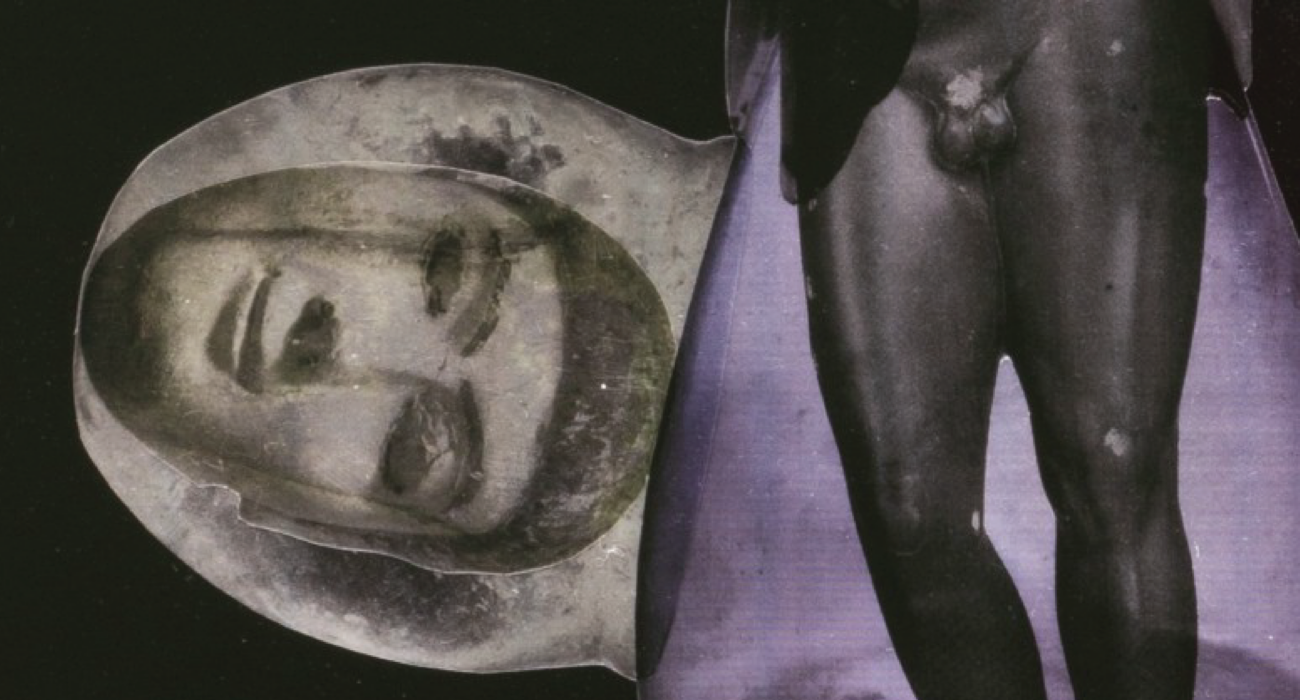
Back to Artists

Meriem Yin

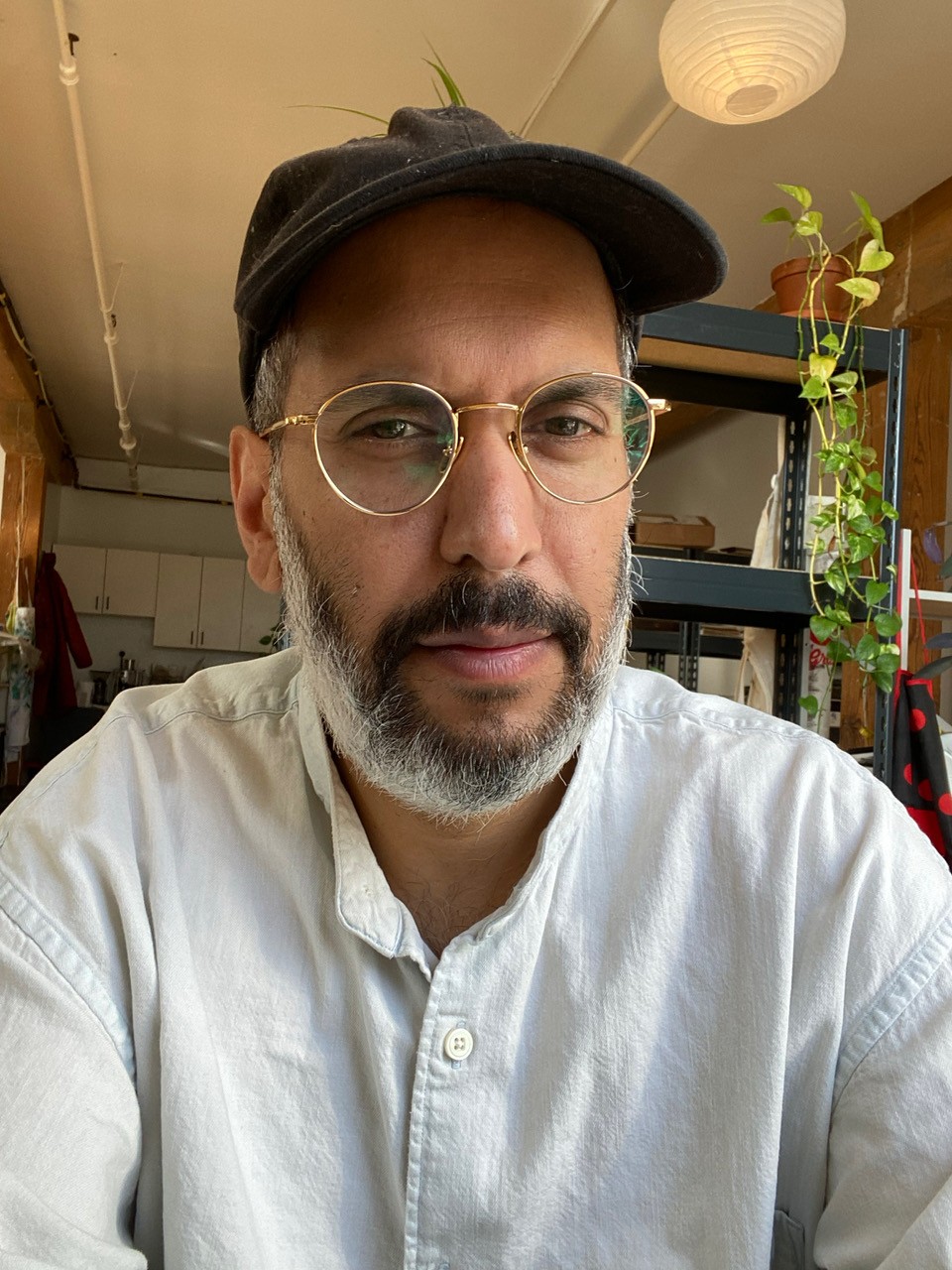
Meriem Yin is a Moroccan artist and curator whose signature work focuses on surreal interpretations of daily Moroccan scenes. She injects a sense of humor and optimism in her art by mixing hand embroidery and photography.

Meriem Yin is a Moroccan artist and curator whose signature work focuses on surreal interpretations of daily Moroccan scenes. She injects a sense of humor and optimism in her art by mixing hand embroidery and photography.

Back to Artists

Yassine Sellame

Yassine Sellame, The Choice, 2016

Yassine Sellame is a Moroccan photographer and skateboarder originally from Marrakech, whose practice was born directly out of his deep immersion in Morocco’s skateboarding subculture. He first stepped on a skateboard in 2008 and discovered film photography in 2014 — initially out of necessity, teaching himself to develop and scan film using cameras collected from flea markets. Working exclusively in analog with 35mm and 120mm film, his photography documents the skaters, streets, and communities of cities across Morocco, viewing the discipline of skating as a metaphor for life and creative practice alike. His most celebrated project, Marrakech on Skateboard — Skating Youth: Portrait of a Generation, was published as a 44-page photobook by À La Maison Editions in Paris in 2022. His work has been exhibited internationally, including in the Czech Republic at a skateboarding festival, at the Arab Fest and Transforma festivals, and in the exhibition space of artist Hassan Hajjaj during the 1-54 art fair. Beyond his own practice, Sellame is a committed advocate for analog photography in Morocco — co-founding Moroccan Dark Room to revive and democratize film developing in the country, and serving as a member of the Noorseen Collective, a pan-Moroccan group of emerging photographic artists. He has also participated in the Artists for Morocco relief initiative alongside some of the country’s most celebrated names.

Yassine Sellame is a Moroccan photographer and skateboarder originally from Marrakech, whose practice was born directly out of his deep immersion in Morocco’s skateboarding subculture. He first stepped on a skateboard in 2008 and discovered film photography in 2014 — initially out of necessity, teaching himself to develop and scan film using cameras collected from flea markets. Working exclusively in analog with 35mm and 120mm film, his photography documents the skaters, streets, and communities of cities across Morocco, viewing the discipline of skating as a metaphor for life and creative practice alike. His most celebrated project, Marrakech on Skateboard — Skating Youth: Portrait of a Generation, was published as a 44-page photobook by À La Maison Editions in Paris in 2022. His work has been exhibited internationally, including in the Czech Republic at a skateboarding festival, at the Arab Fest and Transforma festivals, and in the exhibition space of artist Hassan Hajjaj during the 1-54 art fair. Beyond his own practice, Sellame is a committed advocate for analog photography in Morocco — co-founding Moroccan Dark Room to revive and democratize film developing in the country, and serving as a member of the Noorseen Collective, a pan-Moroccan group of emerging photographic artists. He has also participated in the Artists for Morocco relief initiative alongside some of the country’s most celebrated names.

Back to Artists

Madiha Sebbani

Madiha Sebbani, Pendu #2 (detail), 2017

Madiha Sebbani is a Moroccan multidisciplinary artist and curator born in 1991 in Salé, who lives and works between London and Saudi Arabia. A graduate of the National Institute of Fine Arts in Tétouan (2015), she went on to pursue a master’s degree in Public Art and New Artistic Strategies at Bauhaus University in Germany, and in 2020 was granted a Global Arts and Cultural Talent Visa by the British Arts Council. Her practice — spanning performance, installation, painting, photography, and video — centers on minimalist acts rooted in daily rituals and intimate gestures, often examining power, authority, and human behavior, themes shaped in part by her upbringing on a military base. As a curator, she is the founder of the Young Moroccan Artists (YMA) collective, which has mounted exhibitions in London, Cologne, New York, and Washington D.C., as well as the Sacred exhibition at ESCAP3 Gallery in Cape Town and Contemporary Lab, an art consultancy focused on contemporary art from the Arab world, which she founded in 2022. Her work has been shown internationally at institutions including the Misk Art Institute in Saudi Arabia, the Institut du Monde Arabe in Paris, the Belkahia Foundation in Marrakech, and the Kunstmeile Krems in Austria.

Madiha Sebbani is a Moroccan multidisciplinary artist and curator born in 1991 in Salé, who lives and works between London and Saudi Arabia. A graduate of the National Institute of Fine Arts in Tétouan (2015), she went on to pursue a master’s degree in Public Art and New Artistic Strategies at Bauhaus University in Germany, and in 2020 was granted a Global Arts and Cultural Talent Visa by the British Arts Council. Her practice — spanning performance, installation, painting, photography, and video — centers on minimalist acts rooted in daily rituals and intimate gestures, often examining power, authority, and human behavior, themes shaped in part by her upbringing on a military base. As a curator, she is the founder of the Young Moroccan Artists (YMA) collective, which has mounted exhibitions in London, Cologne, New York, and Washington D.C., as well as the Sacred exhibition at ESCAP3 Gallery in Cape Town and Contemporary Lab, an art consultancy focused on contemporary art from the Arab world, which she founded in 2022. Her work has been shown internationally at institutions including the Misk Art Institute in Saudi Arabia, the Institut du Monde Arabe in Paris, the Belkahia Foundation in Marrakech, and the Kunstmeile Krems in Austria.

Back to Artists

Amine Oulmakki

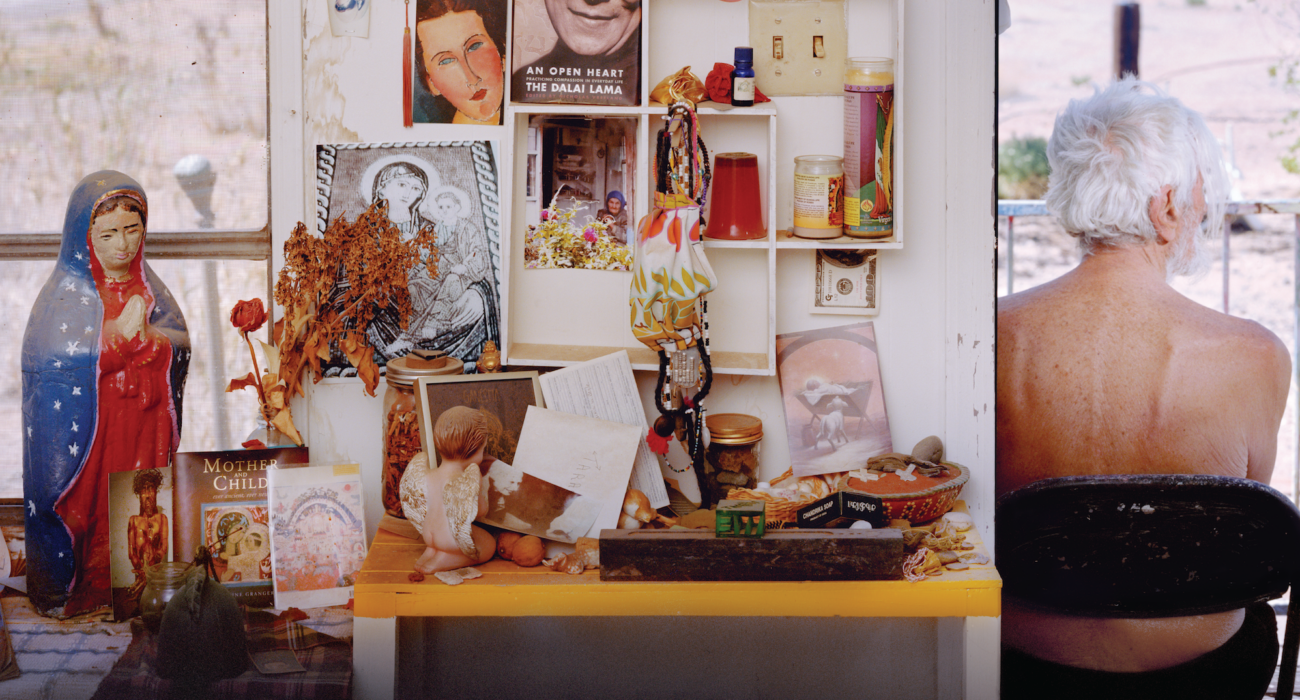
Amine Oulmakki, INTERIUR/NUIT/ESSAQUIRA (detail), 2016

Amine Oulmakki is a Moroccan photographer, filmmaker, and visual artist born on January 28, 1986, in Rabat, where he continues to live and work. His first encounter with photography came in childhood, experimenting in the darkroom his father had built in their family bathroom — but it was in 2006 that his distinctive visual language truly crystallized, when he photographed his great-grandmother as she was losing her sight to illness. A graduate of the Superior Institute of Cinema and Audiovisual (ISCA), Oulmakki moves fluidly between photography and film, with his short film Un Jour la Vie (2012) winning both the Audience Award at Rabat’s Short Film Festival and the Jury Prize at the Festival des Rives de la Méditerranée in Paris. His bodies of work — including L’Œuvre au Noir, Intérieur/Nuit, and I Put on the Fabric of Life — reflect his preoccupation with time, the body, and the fleeting nature of the moment. His work has been exhibited internationally across Europe, Asia, the Middle East, and the United States, and is held in the public collections of the Moroccan Ministry of Culture and the National Foundation of Museums of Morocco.

Amine Oulmakki is a Moroccan photographer, filmmaker, and visual artist born on January 28, 1986, in Rabat, where he continues to live and work. His first encounter with photography came in childhood, experimenting in the darkroom his father had built in their family bathroom — but it was in 2006 that his distinctive visual language truly crystallized, when he photographed his great-grandmother as she was losing her sight to illness. A graduate of the Superior Institute of Cinema and Audiovisual (ISCA), Oulmakki moves fluidly between photography and film, with his short film Un Jour la Vie (2012) winning both the Audience Award at Rabat’s Short Film Festival and the Jury Prize at the Festival des Rives de la Méditerranée in Paris. His bodies of work — including L’Œuvre au Noir, Intérieur/Nuit, and I Put on the Fabric of Life — reflect his preoccupation with time, the body, and the fleeting nature of the moment. His work has been exhibited internationally across Europe, Asia, the Middle East, and the United States, and is held in the public collections of the Moroccan Ministry of Culture and the National Foundation of Museums of Morocco.

Back to Artists

Rachid Ouettassi

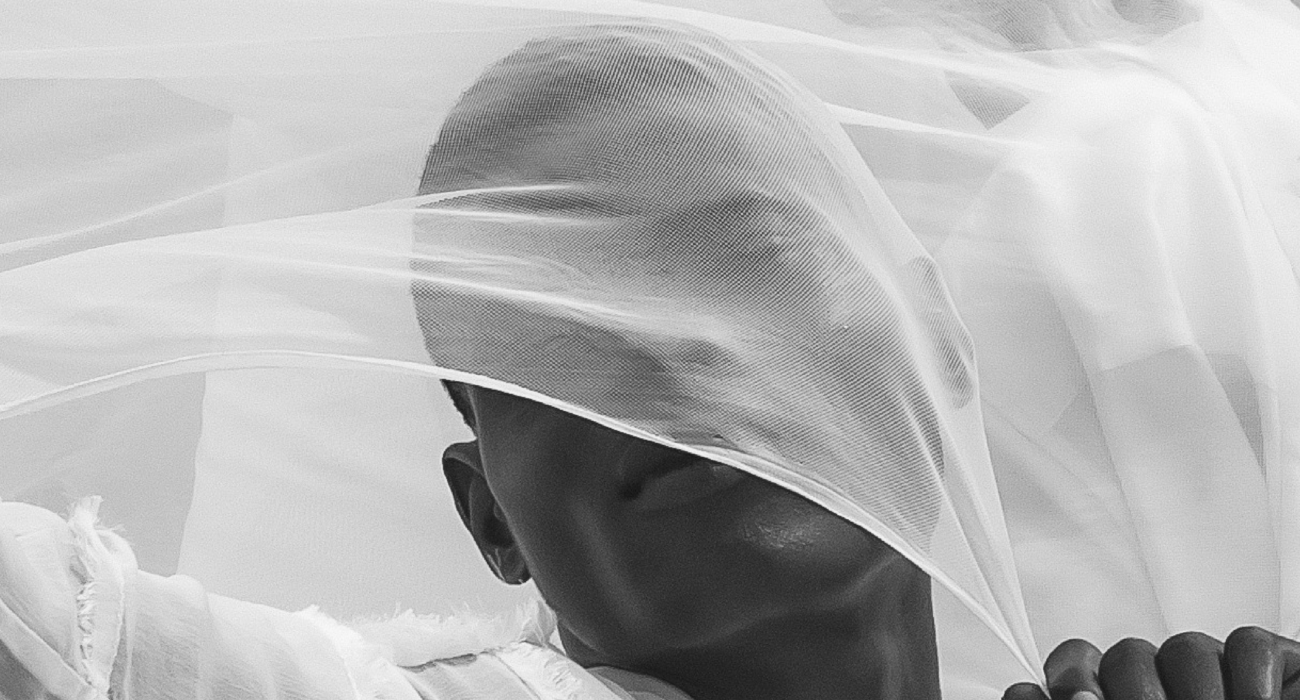
Rachid Ouettassi, Tangier, The City (detail), 2003

Rachid Ouettassi is a self-taught Moroccan photographer born on May 21, 1969, in Tangier, where he continues to live and work. Over a career spanning more than twenty-five years, he has made the streets of Tangier his primary canvas — walking, observing, and waiting with patience until an unexpected moment reveals itself. His work, rendered predominantly in black and white with rigorous framing and confident composition, serves as a living visual archive of Tangier’s iconic characters, everyday scenes, and urban landscapes, capturing a mythic city in the midst of profound social and architectural transformation. His notable bodies of work include Moroccan Trilogy (2020), shown at the Reina Sofía Museum in Madrid; Tangier, the Turning Point (2014) at the French Institute of Tangier; and Errance (2005), as well as a tribute series to the late writer Mohamed Choukri. A member of the Moroccan Association of Photographic Art from 2006 to 2015, his work has entered major public collections including the Mohamed IV Museum of Modern and Contemporary Art in Rabat, the Ministry of Culture of Morocco, the Adligat Museum of Serbian Literature in Belgrade, and the Maison de la Francité in Brussels, cementing his place as one of Morocco’s most dedicated and distinguished documentary photographers.

Rachid Ouettassi is a self-taught Moroccan photographer born on May 21, 1969, in Tangier, where he continues to live and work. Over a career spanning more than twenty-five years, he has made the streets of Tangier his primary canvas — walking, observing, and waiting with patience until an unexpected moment reveals itself. His work, rendered predominantly in black and white with rigorous framing and confident composition, serves as a living visual archive of Tangier’s iconic characters, everyday scenes, and urban landscapes, capturing a mythic city in the midst of profound social and architectural transformation. His notable bodies of work include Moroccan Trilogy (2020), shown at the Reina Sofía Museum in Madrid; Tangier, the Turning Point (2014) at the French Institute of Tangier; and Errance (2005), as well as a tribute series to the late writer Mohamed Choukri. A member of the Moroccan Association of Photographic Art from 2006 to 2015, his work has entered major public collections including the Mohamed IV Museum of Modern and Contemporary Art in Rabat, the Ministry of Culture of Morocco, the Adligat Museum of Serbian Literature in Belgrade, and the Maison de la Francité in Brussels, cementing his place as one of Morocco’s most dedicated and distinguished documentary photographers.

Back to Artists

Nabil Nadifi

Nabil Nadifi, HOX'o2 2021 (detail), 2016

Nabil Nadifi is a self-taught French-Moroccan photographer and curator based between London and Paris. Beginning his photography practice in 2010, he spent his early years exploring street photography, cityscapes, and portraiture — a period he describes as his “experimental years” — before evolving toward a more project-driven and editorially focused approach. His commercial work spans fashion, editorial, and lifestyle photography, including a notable collaboration with French fashion influencer and editor Garance Doré to produce a series of editorials for her platform Atelier Doré and Icônes Magazine, shot in Marrakech during the summer of 2017. Beyond photography, Nadifi has also worked as an independent art curator, organizing pop-up exhibitions in cities including Antwerp, Paris, and New York to champion the work of emerging artists. He is also the co-host of the Art Oriented podcast. Rooted in both his French and Moroccan heritage, Nadifi brings a cross-cultural perspective to his work that spans documentary, fashion, and the art world.

Nabil Nadifi is a self-taught French-Moroccan photographer and curator based between London and Paris. Beginning his photography practice in 2010, he spent his early years exploring street photography, cityscapes, and portraiture — a period he describes as his “experimental years” — before evolving toward a more project-driven and editorially focused approach. His commercial work spans fashion, editorial, and lifestyle photography, including a notable collaboration with French fashion influencer and editor Garance Doré to produce a series of editorials for her platform Atelier Doré and Icônes Magazine, shot in Marrakech during the summer of 2017. Beyond photography, Nadifi has also worked as an independent art curator, organizing pop-up exhibitions in cities including Antwerp, Paris, and New York to champion the work of emerging artists. He is also the co-host of the Art Oriented podcast. Rooted in both his French and Moroccan heritage, Nadifi brings a cross-cultural perspective to his work that spans documentary, fashion, and the art world.

Back to Artists