Luzene Hill

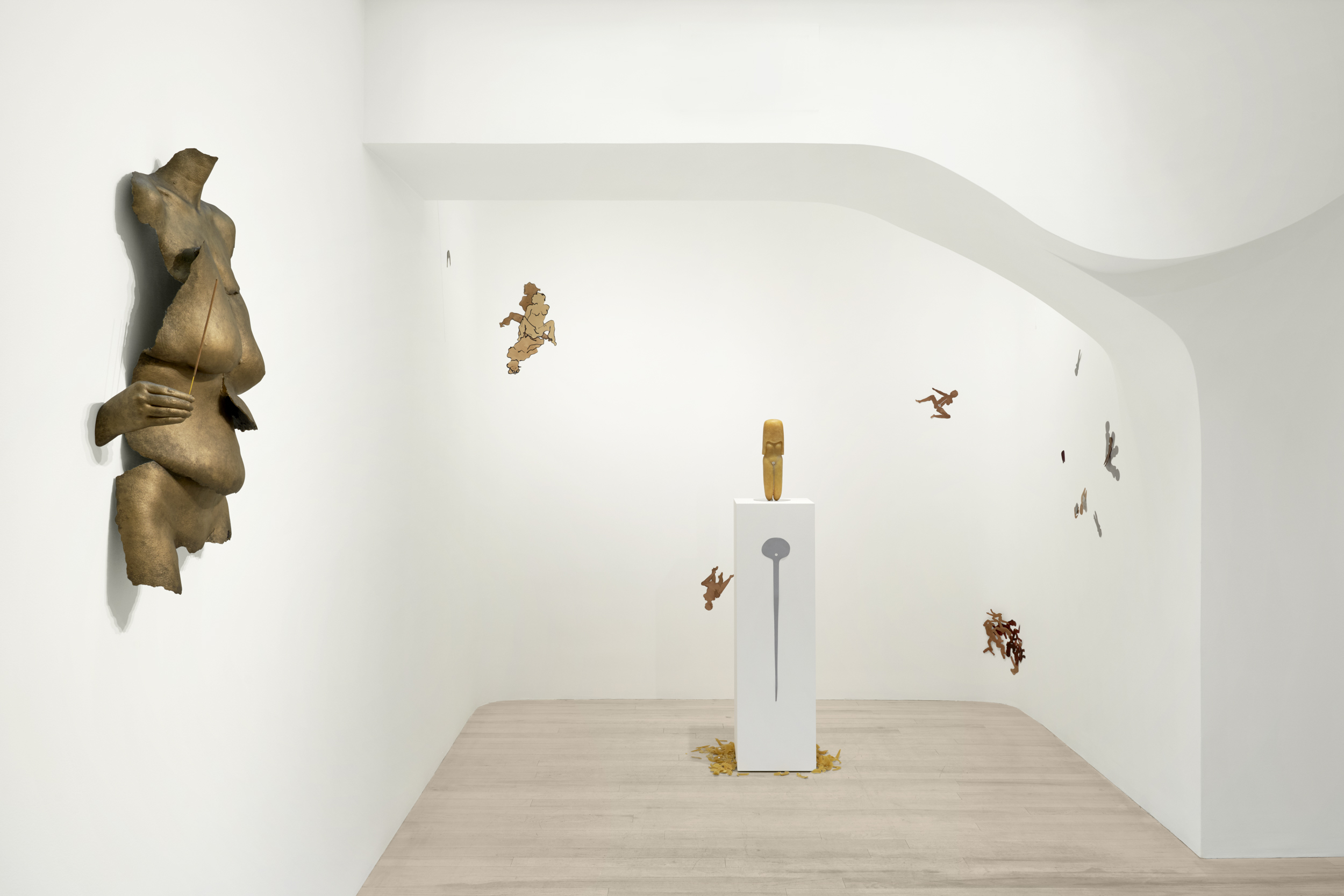
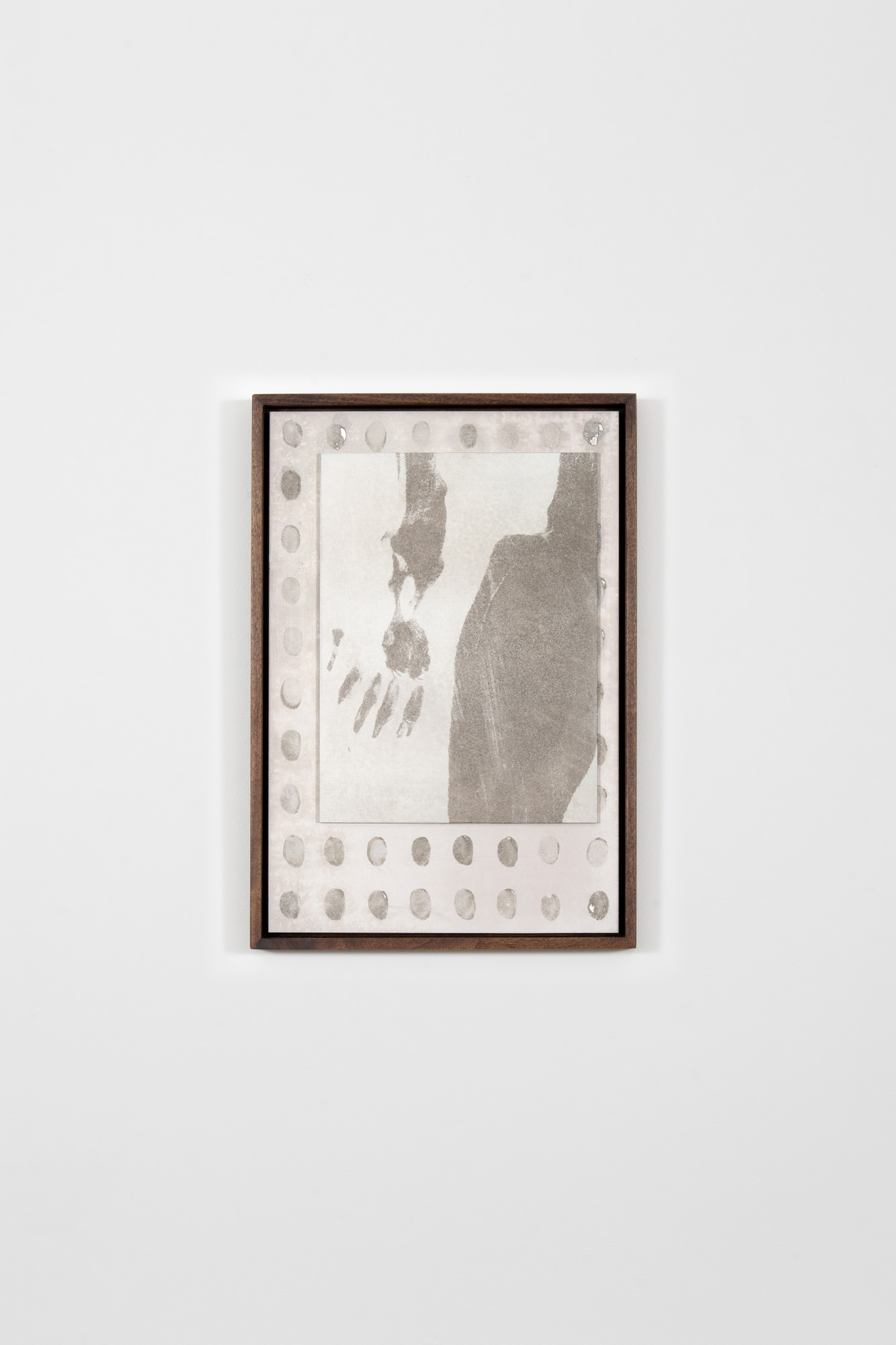
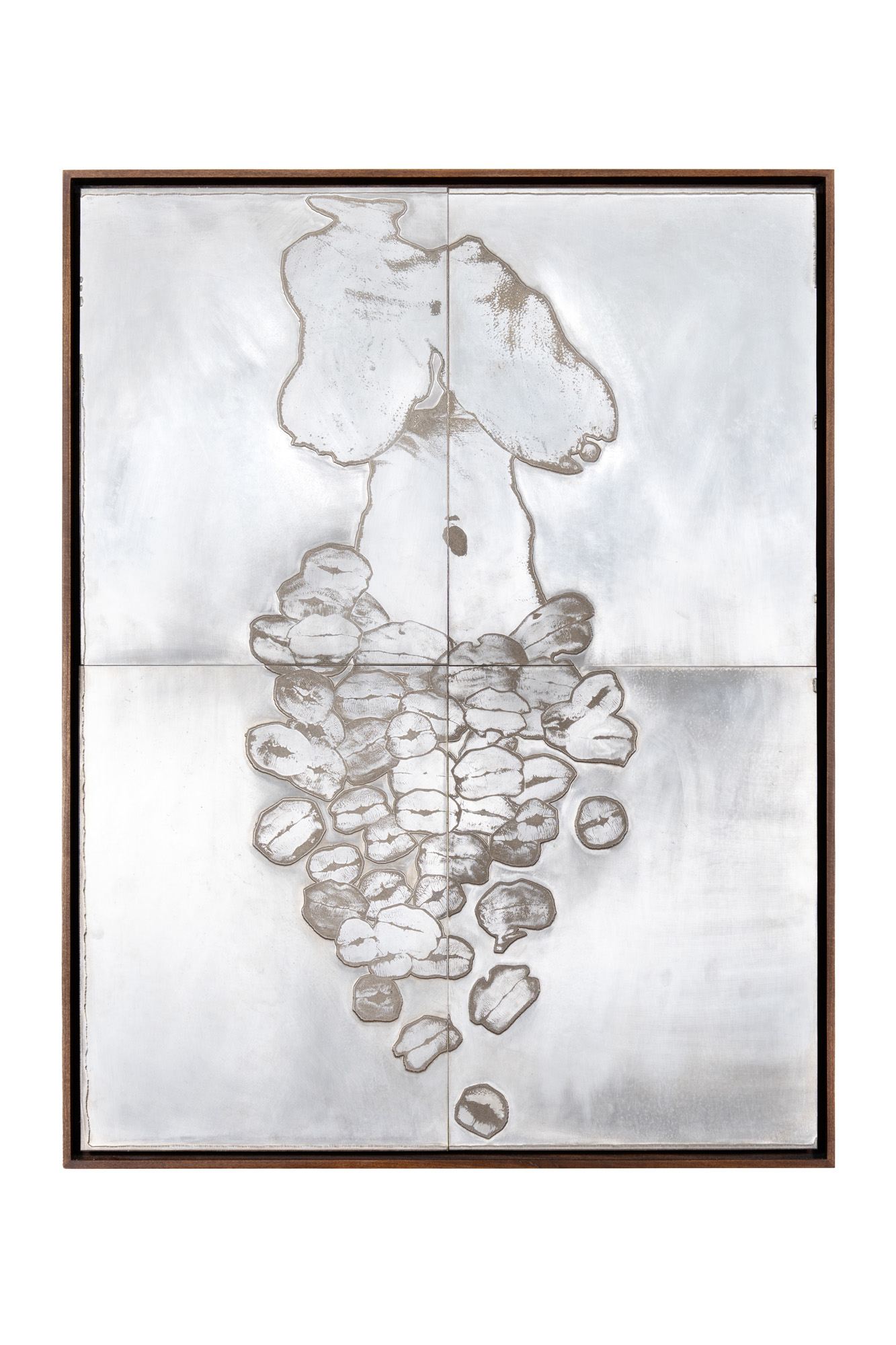
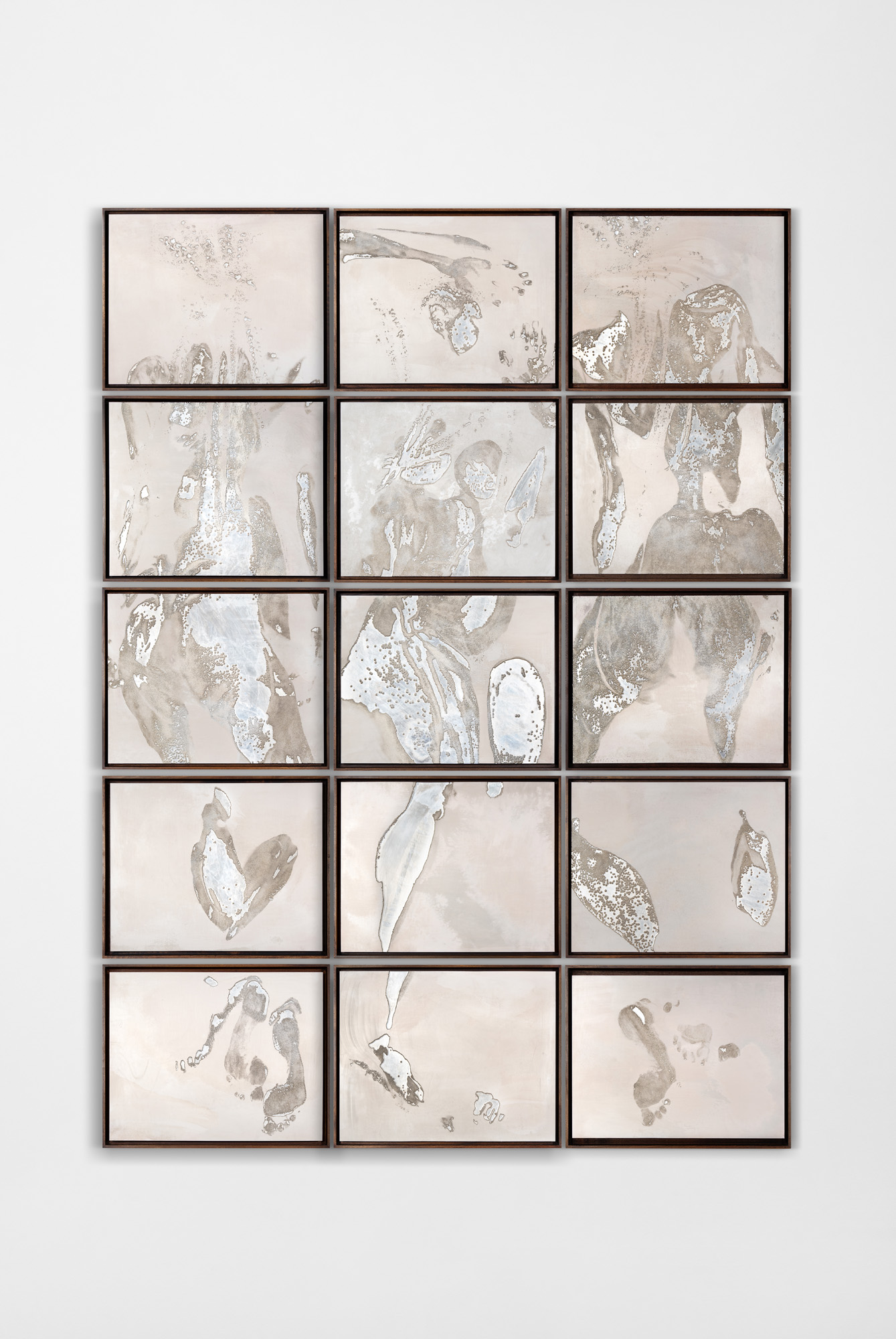
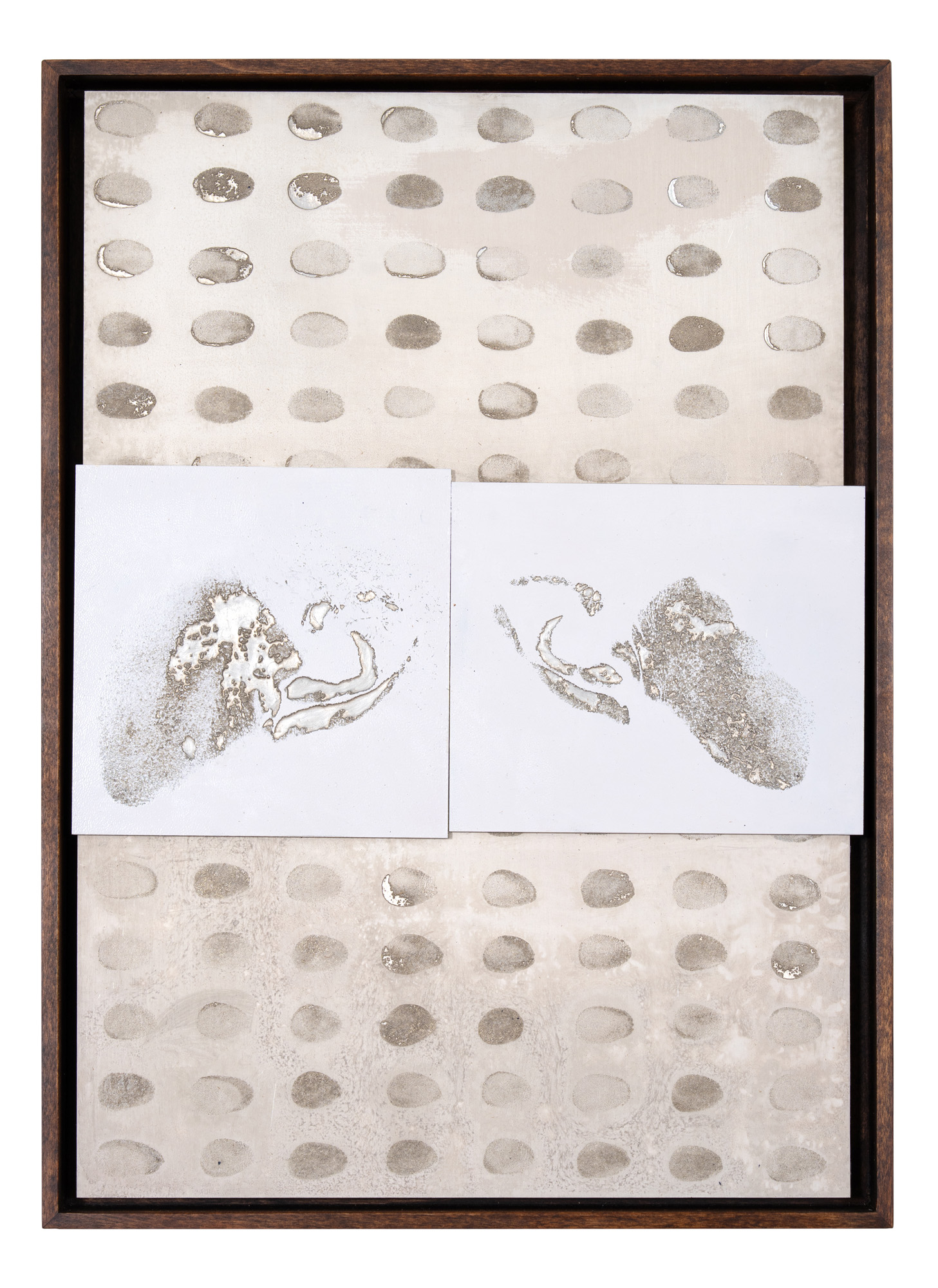
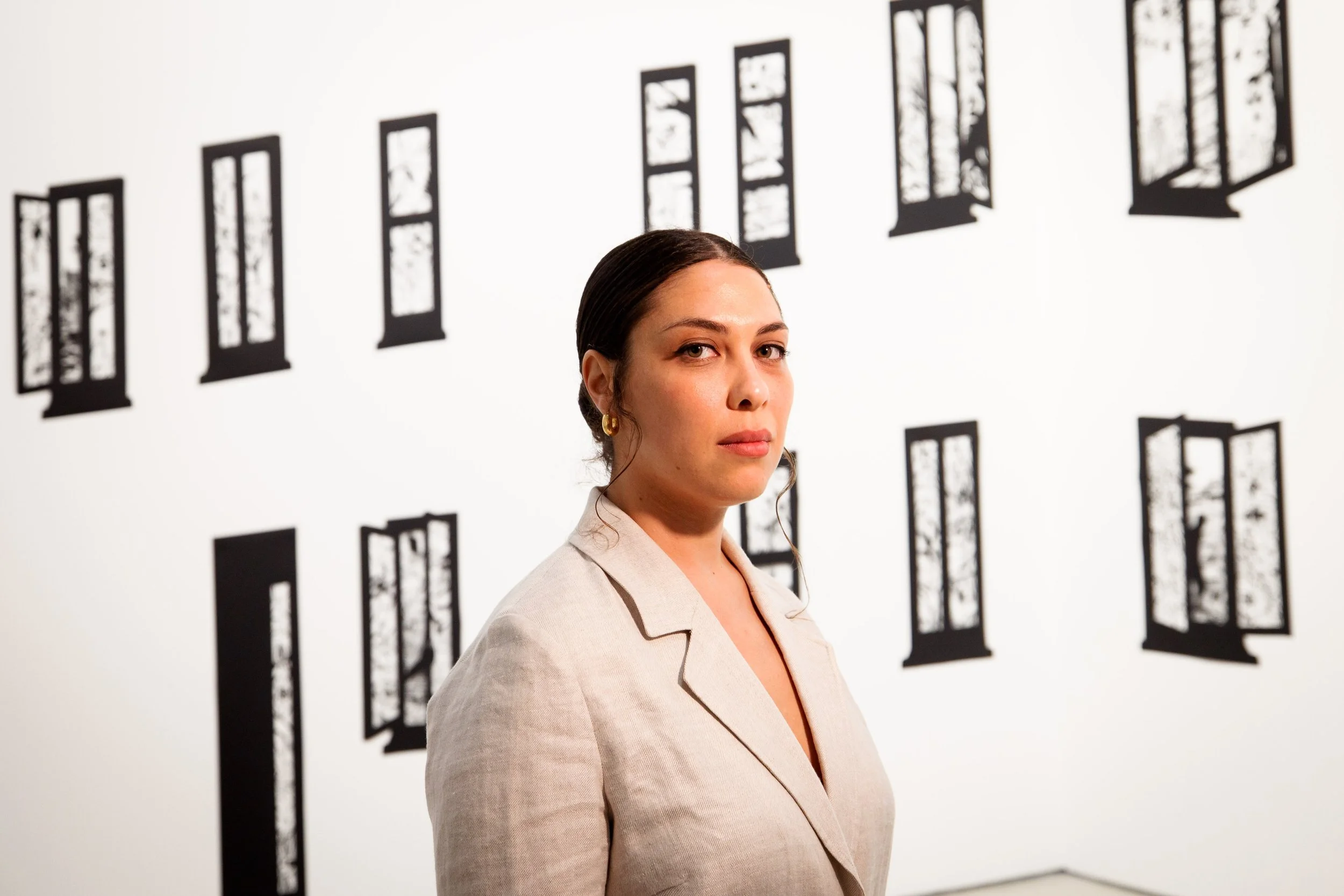
Luzene Hill is a multidisciplinary artist, best known for immersive installations and performance collaborations. Through work informed by precontact culture of the Americas Hill advocates for Indigenous sovereignty – linguistic, cultural and individual sovereignty. Employing early autochthonous motifs she asserts female power and sexuality to challenge colonial patriarchy. Recent works consider the past and the future through an Indigenous non-linear lens. An enrolled member of the Eastern Band of Cherokee Indians, Hill divides her time between Atlanta and the Qualla Boundary in Cherokee, NC. She has exhibited throughout the United States, as well as in Canada, Russia, Japan and the United Kingdom. Awards include: Ucross Fellowship, Native Arts and Cultures Foundation Fellowship, Eiteljorg Museum Fellowship and First Peoples Fund Fellowship. Recent residencies: IAIA MoCNA Social Engagement Residency; Anderson Ranch Arts Center; and Township 10 Residency. Hill’s work is featured in Jeffrey Gibson’s book, “An Indigenous Present”, “Gender Violence, Art and the Viewer”, edited by S. Caldwell, “Art, Activism and Sexual Violence, edited by S. Kitch and Gilpin, PBS Documentary, “Native Art NOW!”


Luzene Hill is a multidisciplinary artist, best known for immersive installations and performance collaborations. Through work informed by precontact culture of the Americas Hill advocates for Indigenous sovereignty – linguistic, cultural and individual sovereignty. Employing early autochthonous motifs she asserts female power and sexuality to challenge colonial patriarchy. Recent works consider the past and the future through an Indigenous non-linear lens. An enrolled member of the Eastern Band of Cherokee Indians, Hill divides her time between Atlanta and the Qualla Boundary in Cherokee, NC. She has exhibited throughout the United States, as well as in Canada, Russia, Japan and the United Kingdom. Awards include: Ucross Fellowship, Native Arts and Cultures Foundation Fellowship, Eiteljorg Museum Fellowship and First Peoples Fund Fellowship. Recent residencies: IAIA MoCNA Social Engagement Residency; Anderson Ranch Arts Center; and Township 10 Residency. Hill’s work is featured in Jeffrey Gibson’s book, “An Indigenous Present”, “Gender Violence, Art and the Viewer”, edited by S. Caldwell, “Art, Activism and Sexual Violence, edited by S. Kitch and Gilpin, PBS Documentary, “Native Art NOW!”


Luzene Hill
pleasure in being limitless
Luzene Hill
2025
Photo by Evan Mcknight
Back to Artists

Samuel Fosso

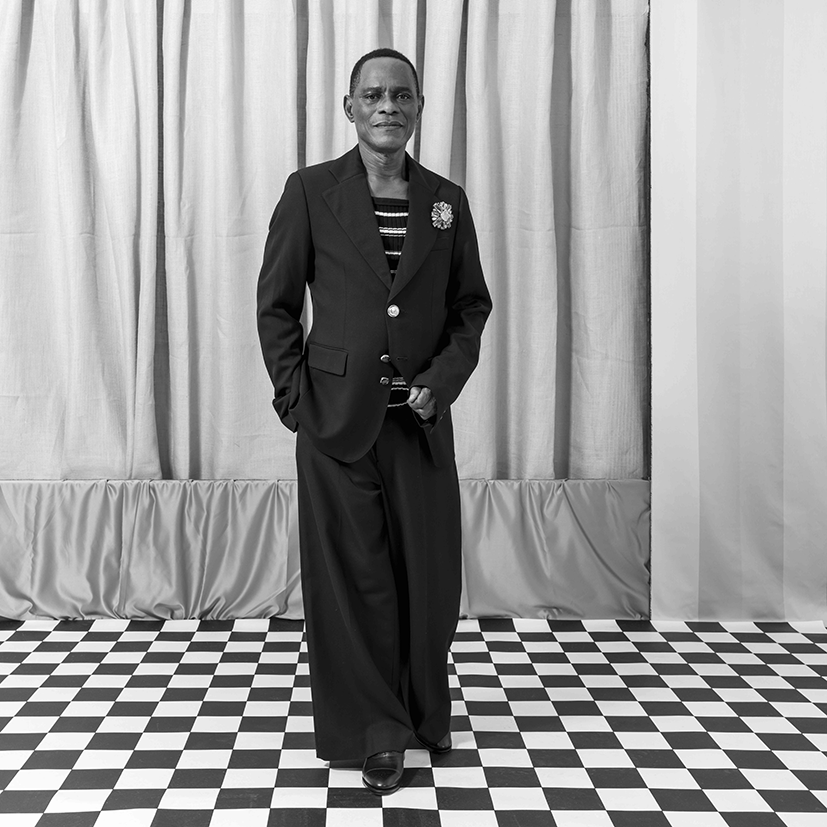
Samuel Fosso, Autoportrait, From the series 70's Lifestyle, 1975-1978 (detail)

Known for his self-portraits in which he inhabits a vibrant array of personas, Cameroonian-Nigerian photographer Samuel Fosso examines African identities and histories through costume and impersonation, emphasizing self-representation as a locus of empowerment. Since the early 1970s, Fosso has explored archetypal figures from Africa and beyond, embodying characters in varied series in which the artist constructs and deconstructs personae both imagined and historical. In this way, the artist both celebrates and questions notions of African identity and takes an active stance in the dynamics of viewership on a global stage.

Fosso was born in Cameroon to Nigerian parents, and was raised in Afikpo, Nigeria, before fleeing unrest in the region in 1972 following the Nigerian Civil War. Settling in Bangui, the capital of the Central African Republic, the artist opened his own photo portrait studio at just thirteen years old after spending a year as an apprentice. A key element for success as a studio photographer at that time was expediency, and Fosso’s clientele demanded a quick turnaround for their photographs. In an effort to finish rolls of film so they could be processed at the end of each day’s work, the artist would take irreverent and off-the-cuff self-portraits, sparking a practice that would continue for the rest of his career.

The playful manner in which Fosso constructs his costumes and sets belies a deeper examination of the histories of colonial rule across Africa, and of the construction of cultural identity, as well as notions of masculinity and gender at large. In his series African Spirits, the artist recreates in black-and-white the visages of historic activist figures such as Rev. Dr. Martin Luther King, Haile Selassie, Angela Davis, and Malcolm X, going as far as mirroring poses from their most iconic images. In his Tati series, Fosso dons his costumes with ironic flair, sending up kings, middle-class women, and pirates alike in vibrant, full-color photographs. Through satire, the artist addresses vital questions around the commodification of Africa, employing the visual language of Africa’s distinct history of studio photography to great effect. The practice of self-depiction locates Fosso within a canon of artists who utilize self-portraiture as a method of locating themselves within the art-historical canon as subjects, makers, and spectators all at once.

Works by Fosso are held in the permanent collections of the Los Angeles County Museum of Art, Los Angeles, CA; the San Francisco Museum of Modern Art, San Francisco, CA; the Solomon R. Guggenheim Museum, New York, NY; the Tate Modern, London, England; The Metropolitan Museum of Art, New York, NY; the Museum of Modern Art, New York, NY; and the Studio Museum in Harlem, New York, NY, among others.


Known for his self-portraits in which he inhabits a vibrant array of personas, Cameroonian-Nigerian photographer Samuel Fosso examines African identities and histories through costume and impersonation, emphasizing self-representation as a locus of empowerment. Since the early 1970s, Fosso has explored archetypal figures from Africa and beyond, embodying characters in varied series in which the artist constructs and deconstructs personae both imagined and historical. In this way, the artist both celebrates and questions notions of African identity and takes an active stance in the dynamics of viewership on a global stage.

Fosso was born in Cameroon to Nigerian parents, and was raised in Afikpo, Nigeria, before fleeing unrest in the region in 1972 following the Nigerian Civil War. Settling in Bangui, the capital of the Central African Republic, the artist opened his own photo portrait studio at just thirteen years old after spending a year as an apprentice. A key element for success as a studio photographer at that time was expediency, and Fosso’s clientele demanded a quick turnaround for their photographs. In an effort to finish rolls of film so they could be processed at the end of each day’s work, the artist would take irreverent and off-the-cuff self-portraits, sparking a practice that would continue for the rest of his career.

The playful manner in which Fosso constructs his costumes and sets belies a deeper examination of the histories of colonial rule across Africa, and of the construction of cultural identity, as well as notions of masculinity and gender at large. In his series African Spirits, the artist recreates in black-and-white the visages of historic activist figures such as Rev. Dr. Martin Luther King, Haile Selassie, Angela Davis, and Malcolm X, going as far as mirroring poses from their most iconic images. In his Tati series, Fosso dons his costumes with ironic flair, sending up kings, middle-class women, and pirates alike in vibrant, full-color photographs. Through satire, the artist addresses vital questions around the commodification of Africa, employing the visual language of Africa’s distinct history of studio photography to great effect. The practice of self-depiction locates Fosso within a canon of artists who utilize self-portraiture as a method of locating themselves within the art-historical canon as subjects, makers, and spectators all at once.

Works by Fosso are held in the permanent collections of the Los Angeles County Museum of Art, Los Angeles, CA; the San Francisco Museum of Modern Art, San Francisco, CA; the Solomon R. Guggenheim Museum, New York, NY; the Tate Modern, London, England; The Metropolitan Museum of Art, New York, NY; the Museum of Modern Art, New York, NY; and the Studio Museum in Harlem, New York, NY, among others.


Autoportrait, From the series 70's Lifestyle
Samuel Fosso
1975-1978
Autoportrait, From the series 70's Lifestyle
Samuel Fosso
1975-1978
Photo by Evan Mcknight
Back to Artists

Alanna Fields

Alanna Fields, Back and Forth (A Self-Portrait), 2025 (detail)

Alanna Fields is a mixed-media artist and archivist whose work both deconstructs and reconstructs Black queer memory and history through a multidisciplinary engagement with photographic archives.
Fields’ work has been exhibited nationally and internationally at Paris Photo, Art Basel Miami, Felix Art Fair LA, and Expo Chicago. Her work has been featured in exhibitions at The Brooklyn Museum, The Aldrich Contemporary Museum, The High Museum of Art, The Sugar Hill Children’s Museum of Art and Storytelling, and The Museum of Contemporary African Diasporic Art. She has presented solo exhibitions at The Plug-In Institute of Contemporary Art and Baxter Street Camera Club of NY and participated in group exhibitions at Yossi Milo Gallery, Yancey Richardson Gallery, Latchkey Gallery, Fragment Gallery, Residency Art Gallery, David Castillo Gallery, and the Silver Eye Center for Photography, among others.

Fields received her MFA in Photography from Pratt Institute and has given lectures on her work at the Aperture Foundation, Light Work, NYU Tisch School of the Arts, Parsons’ New School, Syracuse University, and Stanford University. Fields is a Gordon Parks Foundation Scholar and Pollock Krasner Foundation grant recipient who has participated in residencies at Silver Arts Projects, Light Work, Baxter St. CCNY, Fountainhead Arts, and TILT Institute for the Contemporary Image, among others. Her work has been commissioned by and featured in major publications such as The New York Times, The Atlantic, Aperture Magazine, and FOAM Magazine. In 2025, Fields released her first monograph “Unveiling” which spans her work on Black queer archives.


Alanna Fields is a mixed-media artist and archivist whose work both deconstructs and reconstructs Black queer memory and history through a multidisciplinary engagement with photographic archives.
Fields’ work has been exhibited nationally and internationally at Paris Photo, Art Basel Miami, Felix Art Fair LA, and Expo Chicago. Her work has been featured in exhibitions at The Brooklyn Museum, The Aldrich Contemporary Museum, The High Museum of Art, The Sugar Hill Children’s Museum of Art and Storytelling, and The Museum of Contemporary African Diasporic Art. She has presented solo exhibitions at The Plug-In Institute of Contemporary Art and Baxter Street Camera Club of NY and participated in group exhibitions at Yossi Milo Gallery, Yancey Richardson Gallery, Latchkey Gallery, Fragment Gallery, Residency Art Gallery, David Castillo Gallery, and the Silver Eye Center for Photography, among others.

Fields received her MFA in Photography from Pratt Institute and has given lectures on her work at the Aperture Foundation, Light Work, NYU Tisch School of the Arts, Parsons’ New School, Syracuse University, and Stanford University. Fields is a Gordon Parks Foundation Scholar and Pollock Krasner Foundation grant recipient who has participated in residencies at Silver Arts Projects, Light Work, Baxter St. CCNY, Fountainhead Arts, and TILT Institute for the Contemporary Image, among others. Her work has been commissioned by and featured in major publications such as The New York Times, The Atlantic, Aperture Magazine, and FOAM Magazine. In 2025, Fields released her first monograph “Unveiling” which spans her work on Black queer archives.


Back and Forth (A Self-Portrait)
Alanna Fields
2025
Photo by Evan Mcknight
Back to Artists

Yagazie Emezi

Yagazie Emezi, Fall to Ala, 2025 (detail)

Yagazie Emezi is a multidisciplinary artist in photography, textile and sculpture focused on unearthing global patterns of inequity from an indigenous point of view. Her practice is informed by her extensive background in photojournalism covering global issues around corruption, environmental failure, and the extension of colonial policies into current international relations. Yagazie’s self-portraiture works are rooted in stories of identity and cultural preservation, integrating traditional motifs and practices with contemporary artistic techniques.

She is a recipient of the 2018 inaugural Creative Bursary Award from Getty Images and a 2018 grant from the U.S Consulate General in Lagos for her photographs addressing the reality of sexual violence against women and the vulnerable young in Nigeria. Yagazie was among the 2019 inaugural artists selected for Kehinde Wiley’s art residency at Black Rock, Senegal, was 2019 nominee of the Rolex Mentor and Protégé Arts Initiative and the first black African woman to photograph for National Geographic Magazine. In 2020, she was awarded The National Geographic Storytelling Grant to complete ‘Another Tale By Moonlight’. She was shortlisted for the 2023 Contemporary African Photography Prize and the German Peace Prize for Photography. Yagazie has exhibited her works around the world in various galleries and museums including an exhibition at The Museum of Modern Art, ‘New Photography’ 2023.


Yagazie Emezi is a multidisciplinary artist in photography, textile and sculpture focused on unearthing global patterns of inequity from an indigenous point of view. Her practice is informed by her extensive background in photojournalism covering global issues around corruption, environmental failure, and the extension of colonial policies into current international relations. Yagazie’s self-portraiture works are rooted in stories of identity and cultural preservation, integrating traditional motifs and practices with contemporary artistic techniques.

She is a recipient of the 2018 inaugural Creative Bursary Award from Getty Images and a 2018 grant from the U.S Consulate General in Lagos for her photographs addressing the reality of sexual violence against women and the vulnerable young in Nigeria. Yagazie was among the 2019 inaugural artists selected for Kehinde Wiley’s art residency at Black Rock, Senegal, was 2019 nominee of the Rolex Mentor and Protégé Arts Initiative and the first black African woman to photograph for National Geographic Magazine. In 2020, she was awarded The National Geographic Storytelling Grant to complete ‘Another Tale By Moonlight’. She was shortlisted for the 2023 Contemporary African Photography Prize and the German Peace Prize for Photography. Yagazie has exhibited her works around the world in various galleries and museums including an exhibition at The Museum of Modern Art, ‘New Photography’ 2023.


Yagazie Emezi
Fall to Ala
Yagazie Emezi
2025
Photo by Evan Mcknight
Back to Artists

Bre Andy

Bre Andy, You're the Only One Watching, 2025 (detail)

Bre Andy is a figurative oil painter exploring intimacy, sexuality, domesticity, and self-observation through portraiture and still life. Her introspective work draws from personal experiences, inspired by the day-to-day, ephemeral moments that capture the essence of womanhood. Through depictions of private scenes—like undressing, gazing into a mirror, or lounging in comfort—Bre opens a dialogue about the beauty of intimacy and the complexity of vulnerability, inspiring viewers to embrace these aspects within themselves. Her tightly cropped compositions often focus on intricate details of the body, giving the paintings a voyeuristic quality. Yet, through soft, cohesive tones and delicate brushwork, she contrasts the subtly provocative nature of her subjects with an underlying sense of warmth and tenderness.


Bre Andy is a figurative oil painter exploring intimacy, sexuality, domesticity, and self-observation through portraiture and still life. Her introspective work draws from personal experiences, inspired by the day-to-day, ephemeral moments that capture the essence of womanhood. Through depictions of private scenes—like undressing, gazing into a mirror, or lounging in comfort—Bre opens a dialogue about the beauty of intimacy and the complexity of vulnerability, inspiring viewers to embrace these aspects within themselves. Her tightly cropped compositions often focus on intricate details of the body, giving the paintings a voyeuristic quality. Yet, through soft, cohesive tones and delicate brushwork, she contrasts the subtly provocative nature of her subjects with an underlying sense of warmth and tenderness.


Bre Andy
You're the Only One Watching
Bre Andy
2025
Photo by Evan Mcknight
Back to Artists

Kesewa Aboah

Kesewa Aboah, Kiss, 2025 (detail)

Kesewa Aboah lives and works in London. She received her BA in Fine Arts from the School of Visual Arts, New York (2017). Her work has been exhibited internationally, with solo presentations at Gallery 12.26, Dallas; Incubator 23, London; and The Armory Show with 12.26, New York. Group exhibitions include Frieze No. 9 Cork Street, London; Christie’s, London; and Timothy Taylor Gallery, London. In 2018, Aboah was an Artist in Residence at ArtsIceland in Ísafjörður, Iceland.


Kesewa Aboah lives and works in London. She received her BA in Fine Arts from the School of Visual Arts, New York (2017). Her work has been exhibited internationally, with solo presentations at Gallery 12.26, Dallas; Incubator 23, London; and The Armory Show with 12.26, New York. Group exhibitions include Frieze No. 9 Cork Street, London; Christie’s, London; and Timothy Taylor Gallery, London. In 2018, Aboah was an Artist in Residence at ArtsIceland in Ísafjörður, Iceland.


Kesewa Aboah
Nancy Liberty
Kesewa Aboah
2022
Kiss
Kesewa Aboah
2025
Photo by Evan Mcknight
These Are Her Contraries
Kesewa Aboah
Back to Artists

Jose Duran

Jose Duran, Priscila (detail), 2024

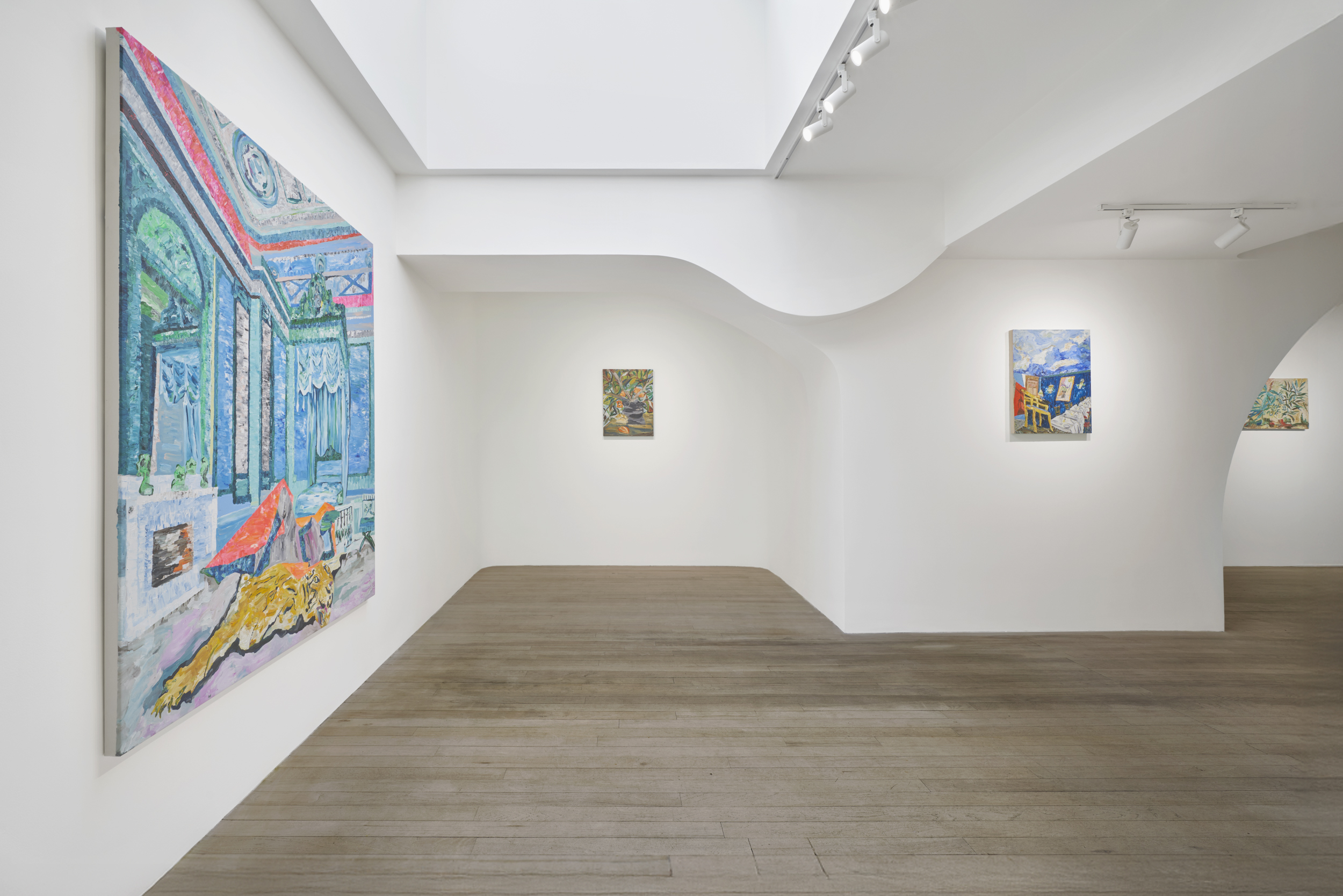
Jose Duran (b. 1979, Moca, Dominican Republic) is a painter, designer, and sculptor creating fantastical worlds of cosmopolitan opulence and sumptuous, even dangerous foliage. Duran’s practice is anchored in extensive research of practices of survival, celebration, vengeance, sabotage, and aspirational desires in Black communities. He draws from baroque and rococo interiors to create scenes of architectural lavishness and femininity, producing complex compositions anchored in whimsy and play. 

Duran centers Black feminine figures as a reclamation of their contributions to European markers of taste, and as retribution for their forced labor under colonial rule. Duran’s fantasies retrospectively place Black women at the center of his lavish interiors, where they reap the fruits of their labor. His practice is an ode to the dreams and aspirations of his late mother, who, between the Bronx and the Dominican Republic, would imbue in the artist a taste for cosmopolitanism and beauty. 

Jose Duran (b. 1979, Moca, Dominican Republic) is a painter, designer, and sculptor creating fantastical worlds of cosmopolitan opulence and sumptuous, even dangerous foliage. Duran’s practice is anchored in extensive research of practices of survival, celebration, vengeance, sabotage, and aspirational desires in Black communities. He draws from baroque and rococo interiors to create scenes of architectural lavishness and femininity, producing complex compositions anchored in whimsy and play. 

Duran centers Black feminine figures as a reclamation of their contributions to European markers of taste, and as retribution for their forced labor under colonial rule. Duran’s fantasies retrospectively place Black women at the center of his lavish interiors, where they reap the fruits of their labor. His practice is an ode to the dreams and aspirations of his late mother, who, between the Bronx and the Dominican Republic, would imbue in the artist a taste for cosmopolitanism and beauty. 

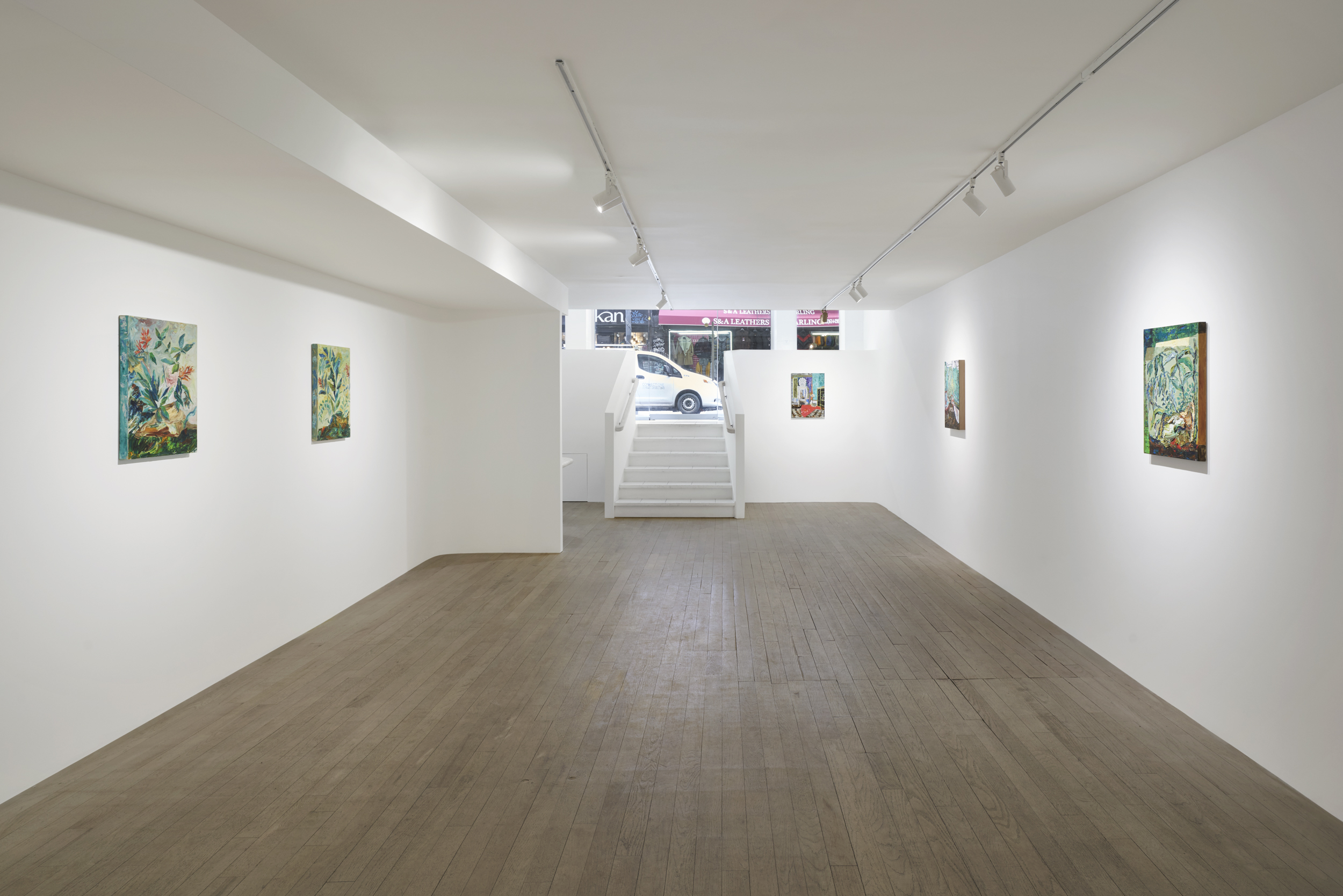
Bligia
Jose Duran
2023
Hua
Jose Duran
2025
Sophia
Jose Duran
2025
Paola
Jose Duran
2022
Back to Artists

Shihori Yamamoto

Shihori Yamamoto, Bloom (04/26/2019, Spring Insomnia), 2019 (detail)

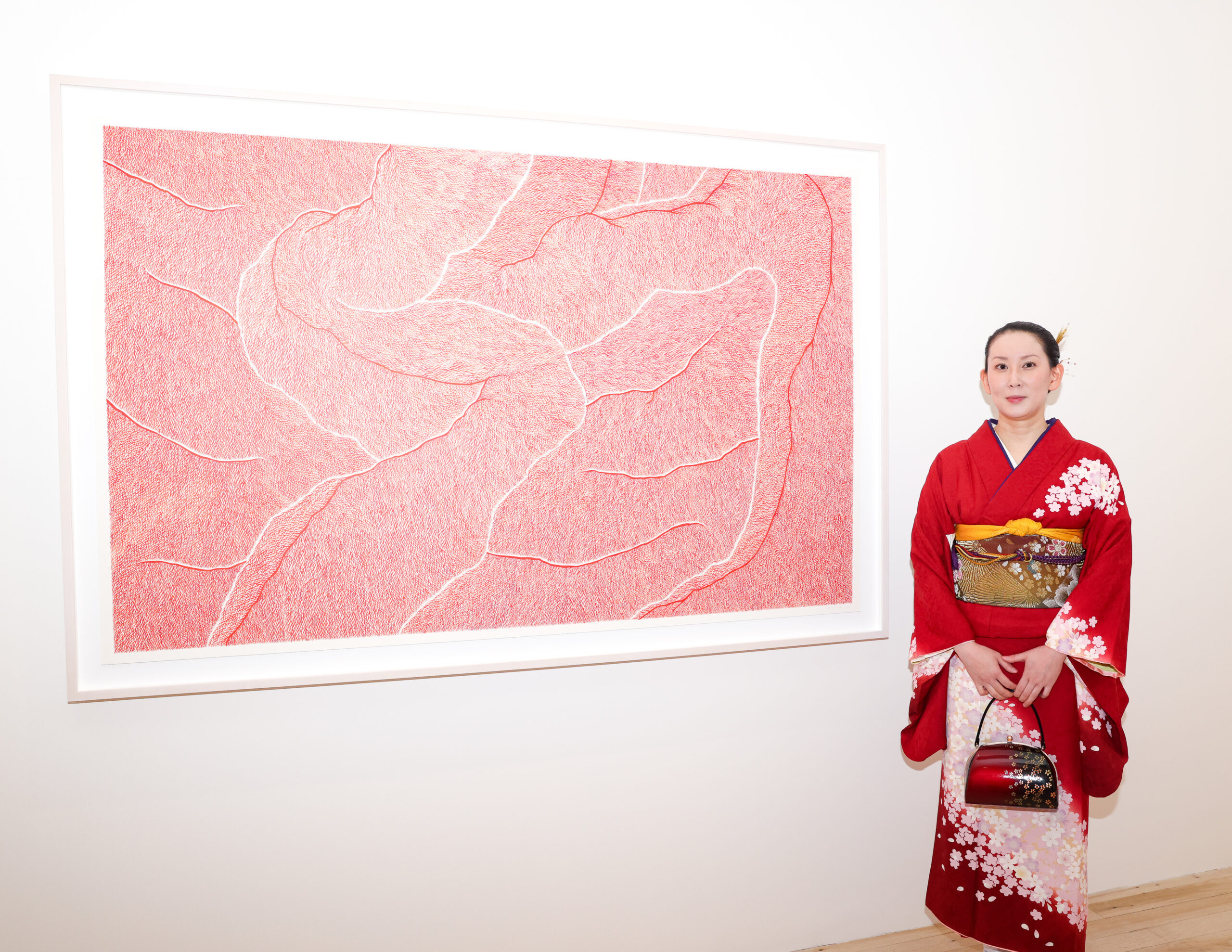
Shihori Yamamoto (b. 1988) is a New York-based visual artist, originally from Japan. Yamamoto received a Bachelor of Architecture from Musashino Art University (Tokyo, Japan), and a Master of Fine Arts from Pratt Institute (New York, United States). Utilizing her background in architecture, as well as her knowledge in psychology, biology, and astrophysics, Yamamoto creates intricate line drawings, layered mixed media paintings, and architectural installations.

Yamamoto’s artwork has been exhibited internationally in the United States, Japan, and Germany. Her recent exhibitions include emmy art+ (Tokyo), NARS Foundation (Brooklyn, NY), BioBAT Art Space (Brooklyn, NY), Elizabeth Foundation for the Arts (New York, NY), Pen&Brush Gallery (New York, NY) and Monira Foundation (Jersey City, NJ). Her residencies include Pratt>Forward, Monira Foundation, mhPROJECTnyc, Residency Unlimited, NARS Foundation, New York Foundation for the Arts Immigrant Mentor Program, Kimmel Harding Nelson Center, and Vermont Studio Center.

Shihori Yamamoto (b. 1988) is a New York-based visual artist, originally from Japan. Yamamoto received a Bachelor of Architecture from Musashino Art University (Tokyo, Japan), and a Master of Fine Arts from Pratt Institute (New York, United States). Utilizing her background in architecture, as well as her knowledge in psychology, biology, and astrophysics, Yamamoto creates intricate line drawings, layered mixed media paintings, and architectural installations.

Yamamoto’s artwork has been exhibited internationally in the United States, Japan, and Germany. Her recent exhibitions include emmy art+ (Tokyo), NARS Foundation (Brooklyn, NY), BioBAT Art Space (Brooklyn, NY), Elizabeth Foundation for the Arts (New York, NY), Pen&Brush Gallery (New York, NY) and Monira Foundation (Jersey City, NJ). Her residencies include Pratt>Forward, Monira Foundation, mhPROJECTnyc, Residency Unlimited, NARS Foundation, New York Foundation for the Arts Immigrant Mentor Program, Kimmel Harding Nelson Center, and Vermont Studio Center.

 I Am Here to Love (Interior)
Shihori Yamamoto
2023
Bloom (07/18/2019, Leave a Message After the Beep)
Shihori Yamamoto
2019
Back to Artists

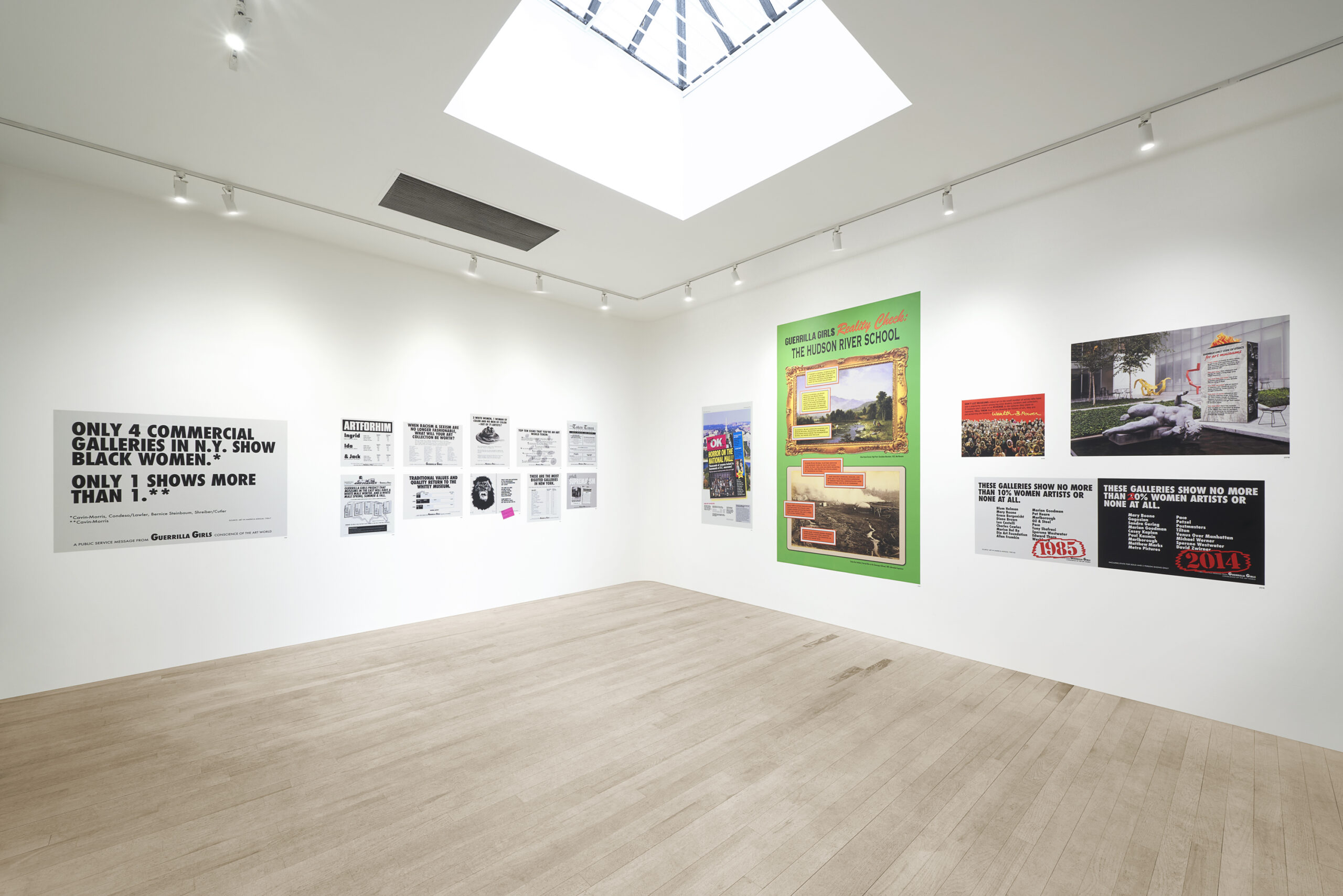
Guerrilla Girls

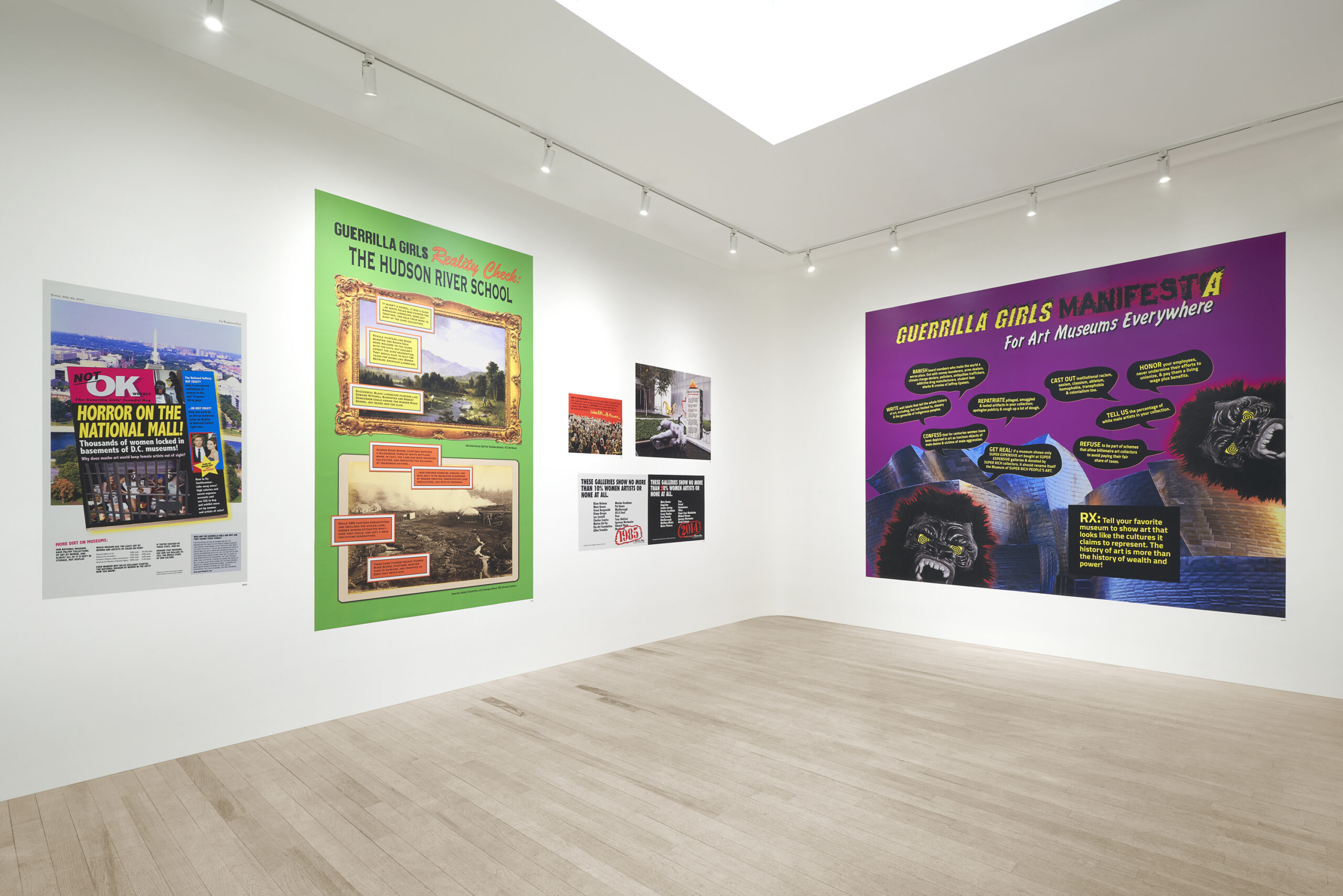
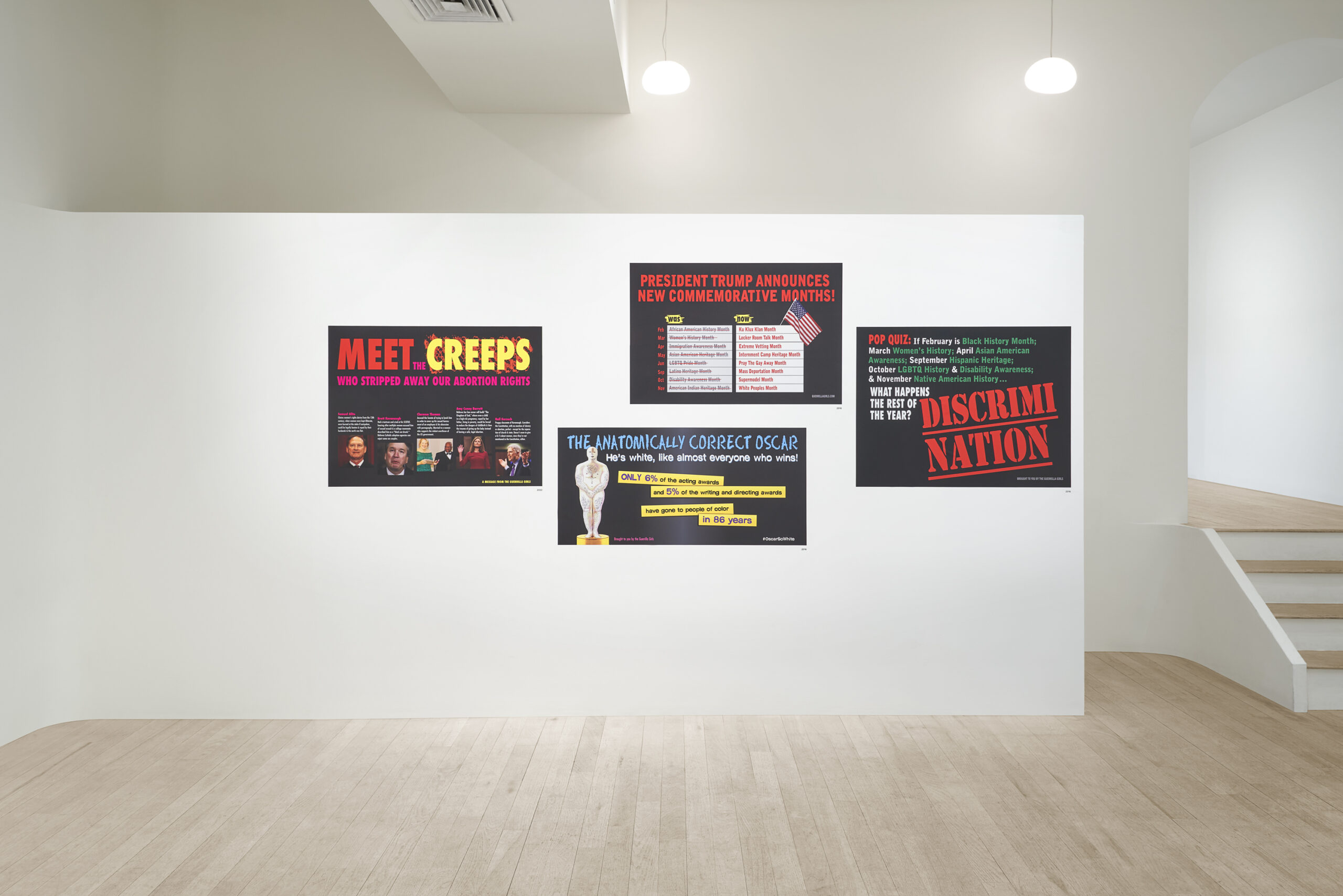
The Guerrilla Girls are an anonymous group of activist artists. They use facts, humor and outrageous visuals to expose bias and corruption in politics, art, film, and pop culture. GG has done hundreds of projects (posters, actions, books, videos, stickers) all over the world, as well as interventions and exhibitions inside museums, blasting them on their own walls for their discriminatory practices.

The Guerrilla Girls are intersectional feminists who fight for human rights for all people and all genders, and against ethnic and gender stereotypes, homophobia, transphobia, war, and income inequality. Over 60 individuals have been members of the Guerrilla Girls, some for weeks, some for decades. They wear gorilla masks in public and take the names of dead artists as pseudonyms. They have always been diverse in age, sexual orientation, gender identity, socioeconomic class and ethnic background.

The Guerrilla Girls are an anonymous group of activist artists. They use facts, humor and outrageous visuals to expose bias and corruption in politics, art, film, and pop culture. GG has done hundreds of projects (posters, actions, books, videos, stickers) all over the world, as well as interventions and exhibitions inside museums, blasting them on their own walls for their discriminatory practices.

The Guerrilla Girls are intersectional feminists who fight for human rights for all people and all genders, and against ethnic and gender stereotypes, homophobia, transphobia, war, and income inequality. Over 60 individuals have been members of the Guerrilla Girls, some for weeks, some for decades. They wear gorilla masks in public and take the names of dead artists as pseudonyms. They have always been diverse in age, sexual orientation, gender identity, socioeconomic class and ethnic background.

1992
1986
1994
2016
2022
1995
Back to Artists

Noa Yekutieli

Noa Yekutieli, I come with my baggaged land everywhere I go (detail), 2024

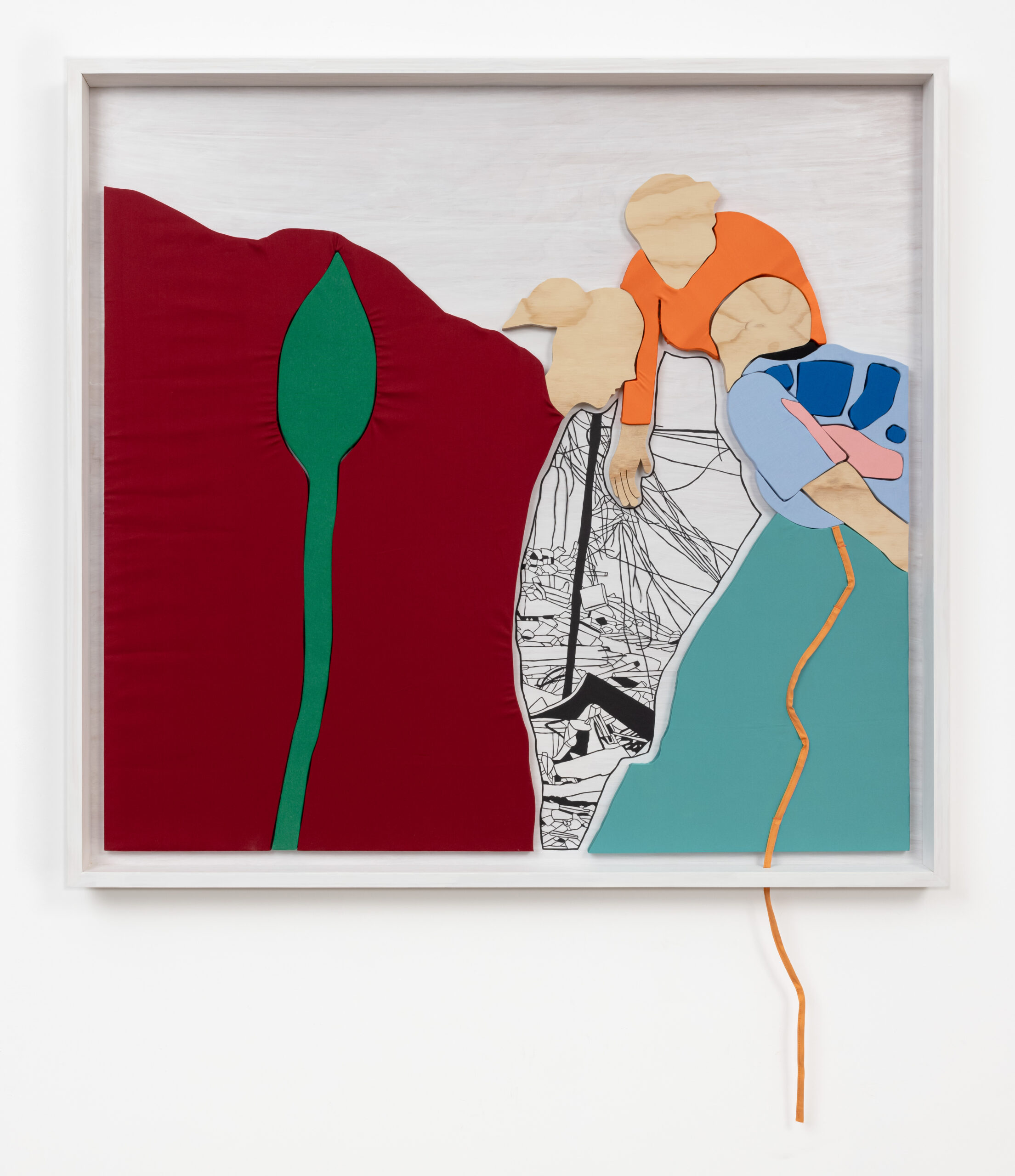
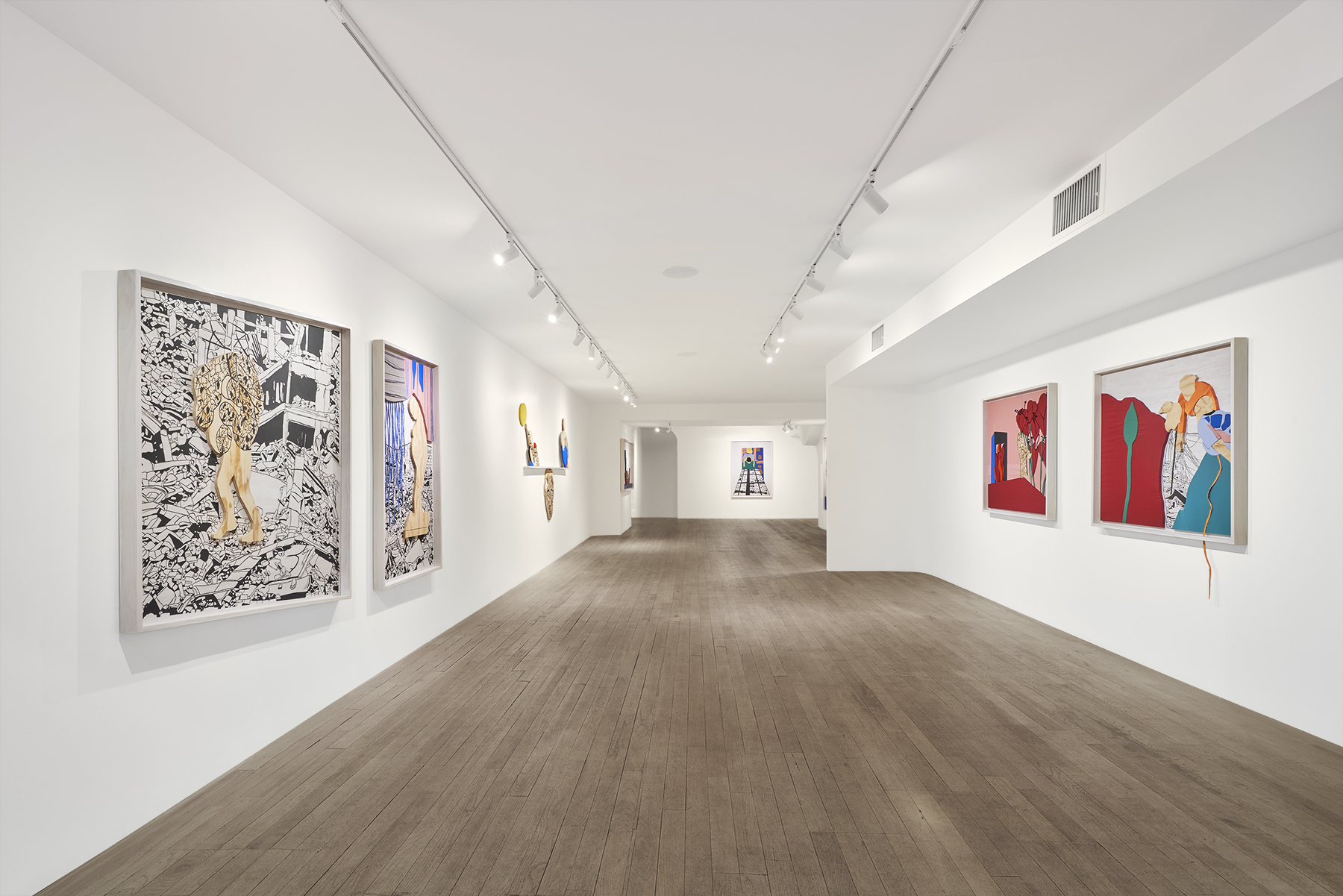
Noa Yekutieli (b.1989) lives and works in Los Angeles and New York. As a Japanese-American-Israeli, she uses objects, crafts, and heritage techniques to nurture her sense of belonging. She engages various mediums, including installation, assemblage, and a signature manual paper cutting technique to explore personal narratives and multi-hyphen identities within the context of immigration, assimilation, and conflict.

She has staged solo exhibitions at ISCP, the Petach Tikva Museum of Art, the Maxxi Museum, Galerie Russi Klenner, Knust Kunz Gallery, Inga Gallery, Galerie Gisela Clement, Kunstverein Augsburg, Track 16 Gallery, Art Cologne, Galerie Sabine Knust, the Nakanojo Biennale, Open Contemporary Art Center, Treasure Hill Artist Village, Sommer Frische Kunst, Gordon Gallery, Artist House, the Janco Dada Museum, The Wilfrid Museum, Mishkenot Sha’ananim, and Marina Gisich Gallery. She was awarded the Harpo Foundation Grant (2023) and the ARTIST Grant (2022 & 2023), and has taken part in residencies at ISCP Residency and the Gottesman Etching Center. Her work has been collected by The Israel Museum and the Tel Aviv Museum of Modern Art.

Noa Yekutieli (b.1989) lives and works in Los Angeles and New York. As a Japanese-American-Israeli, she uses objects, crafts, and heritage techniques to nurture her sense of belonging. She engages various mediums, including installation, assemblage, and a signature manual paper cutting technique to explore personal narratives and multi-hyphen identities within the context of immigration, assimilation, and conflict.

She has staged solo exhibitions at ISCP, the Petach Tikva Museum of Art, the Maxxi Museum, Galerie Russi Klenner, Knust Kunz Gallery, Inga Gallery, Galerie Gisela Clement, Kunstverein Augsburg, Track 16 Gallery, Art Cologne, Galerie Sabine Knust, the Nakanojo Biennale, Open Contemporary Art Center, Treasure Hill Artist Village, Sommer Frische Kunst, Gordon Gallery, Artist House, the Janco Dada Museum, The Wilfrid Museum, Mishkenot Sha’ananim, and Marina Gisich Gallery. She was awarded the Harpo Foundation Grant (2023) and the ARTIST Grant (2022 & 2023), and has taken part in residencies at ISCP Residency and the Gottesman Etching Center. Her work has been collected by The Israel Museum and the Tel Aviv Museum of Modern Art.

I come with my baggaged land everywhere I go
Noa Yekutieli
2024
Back to Artists