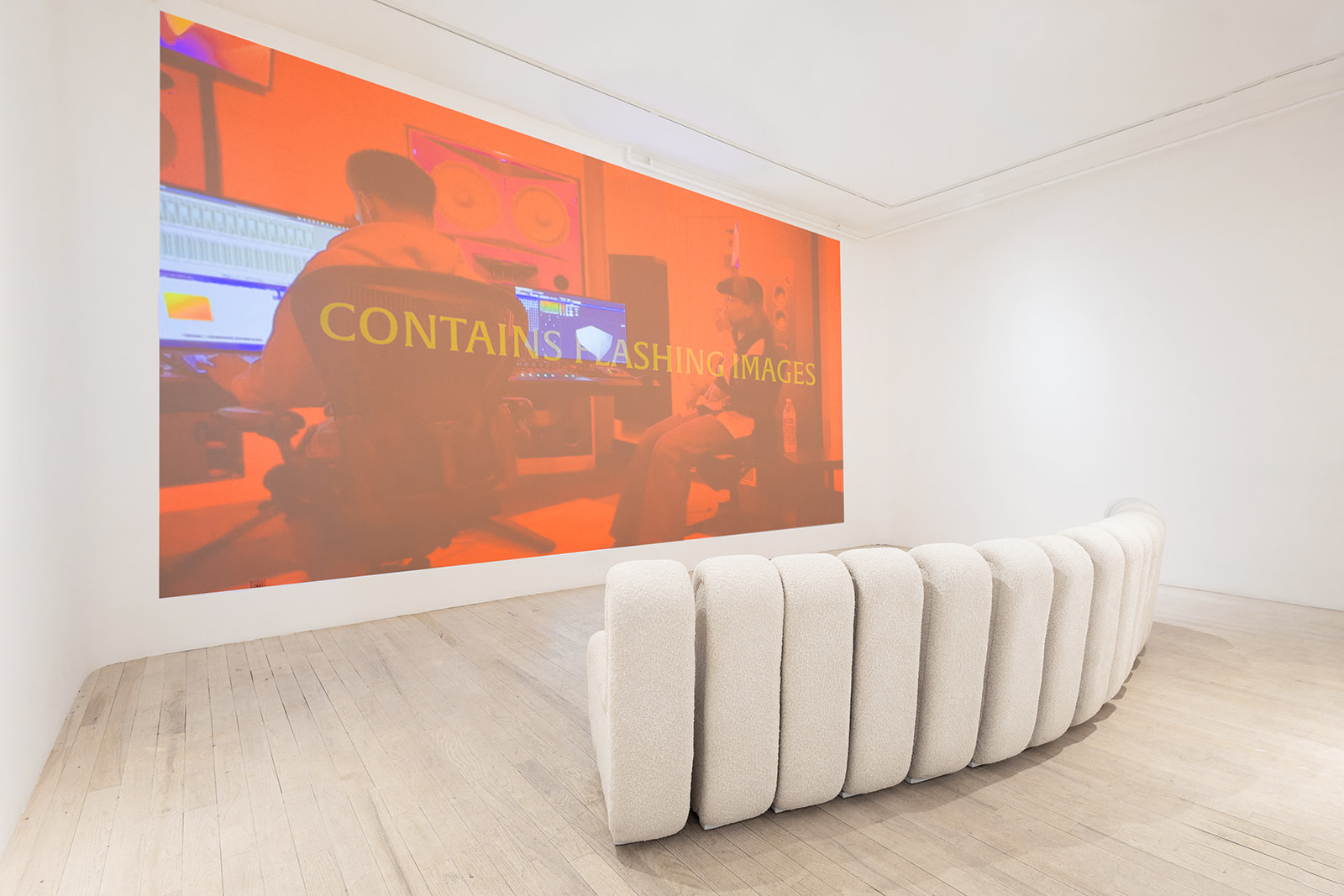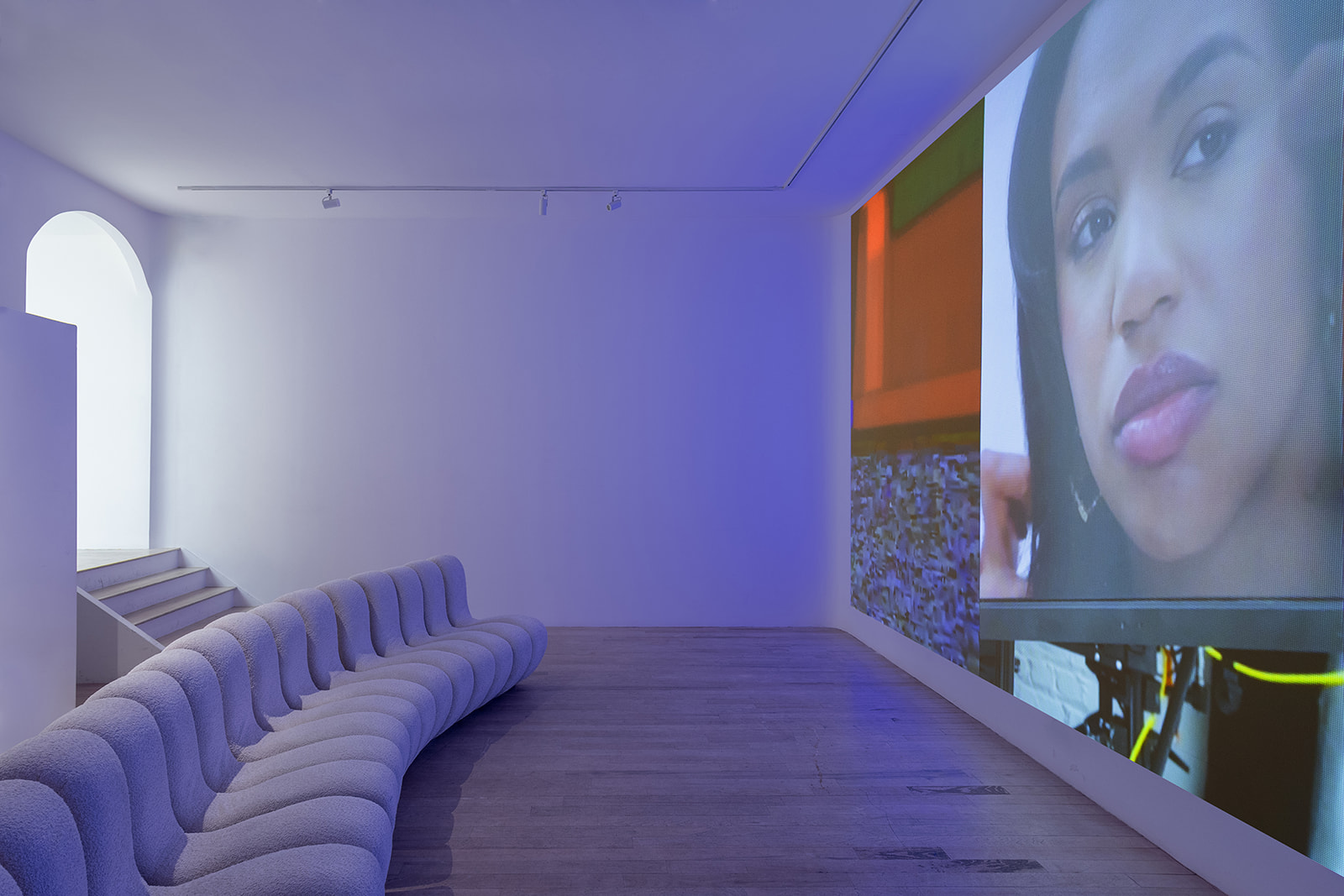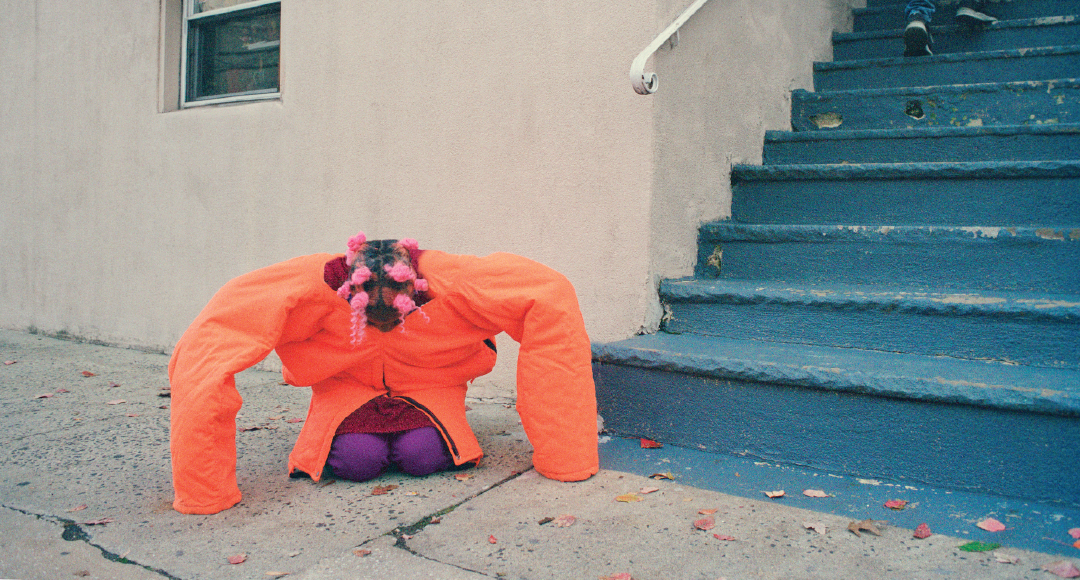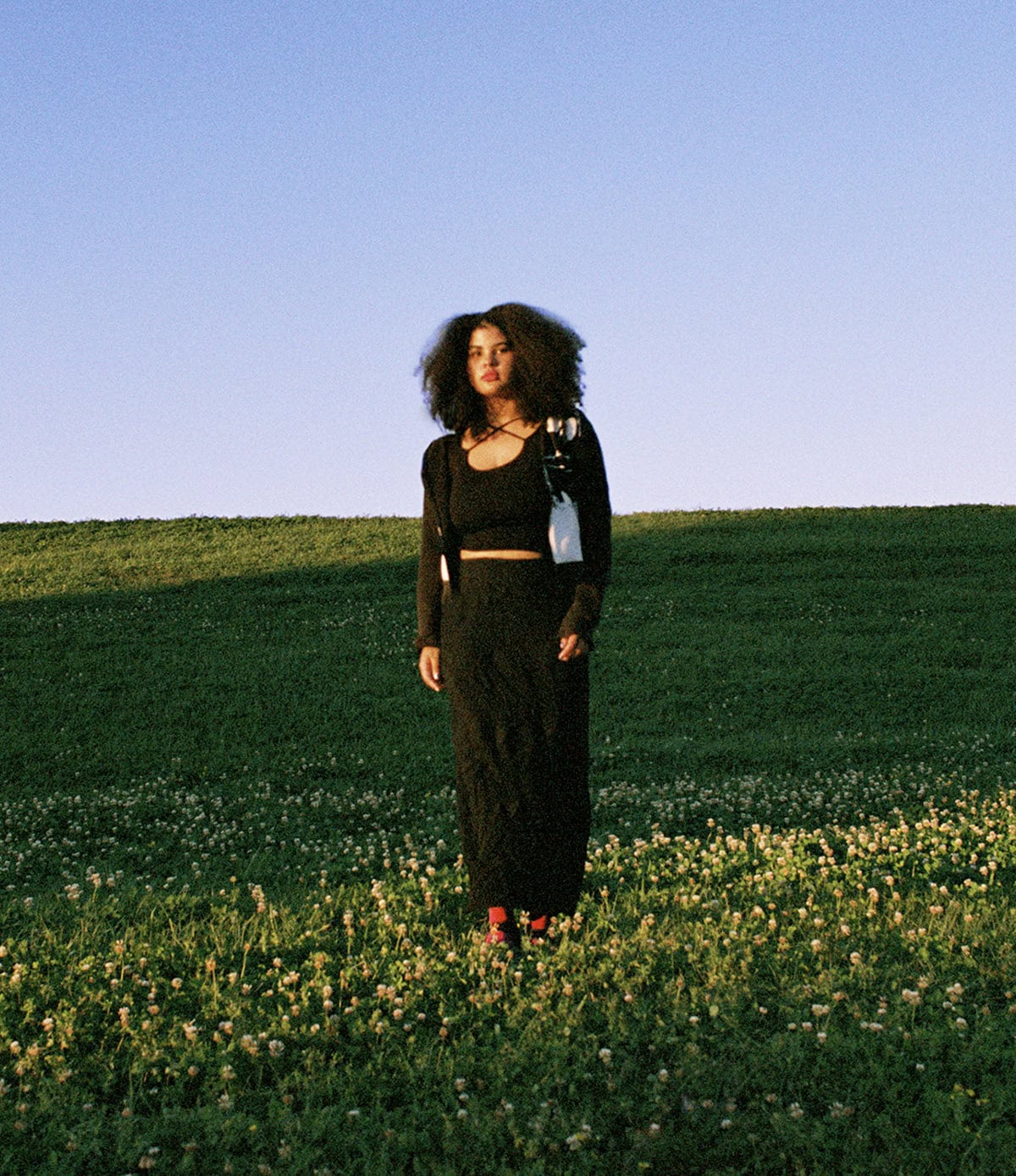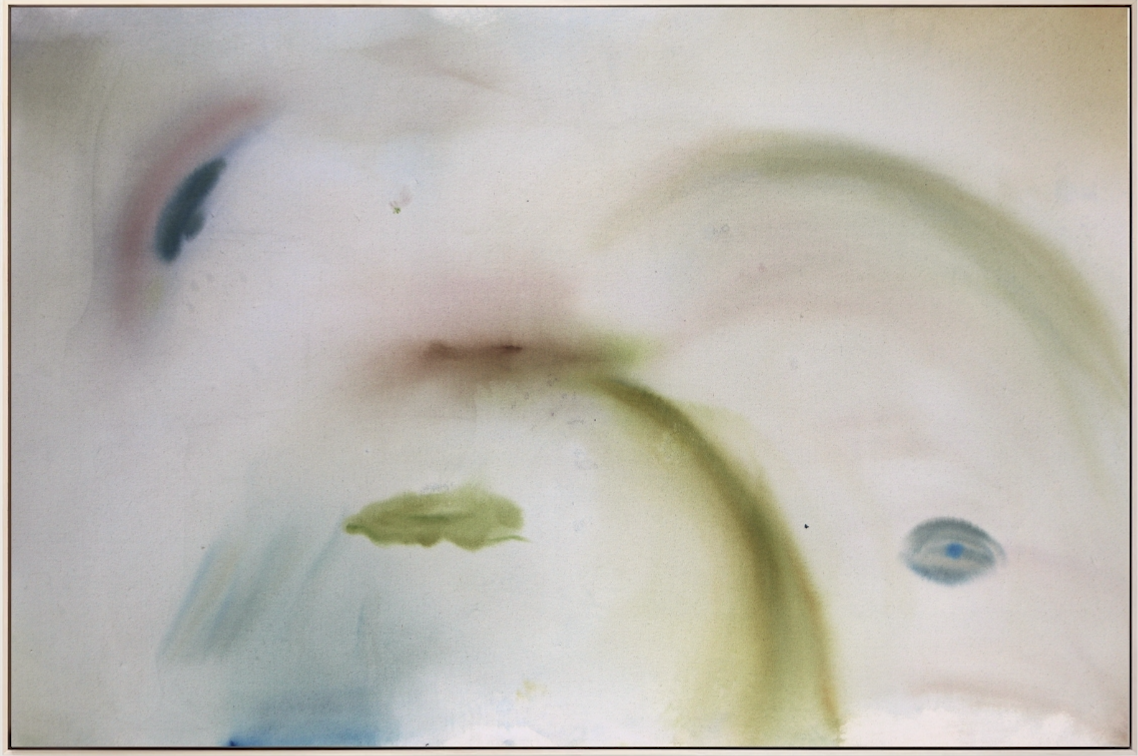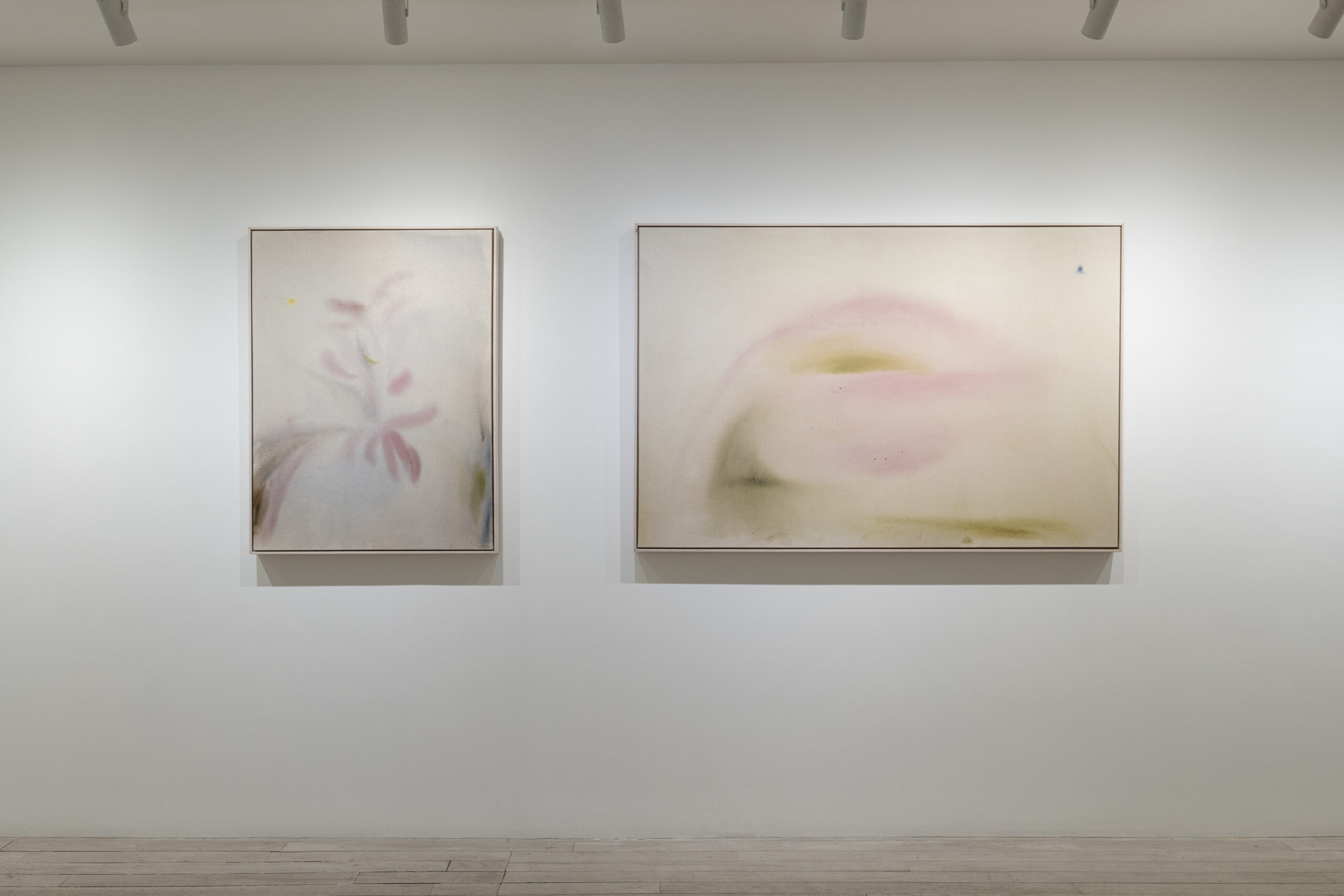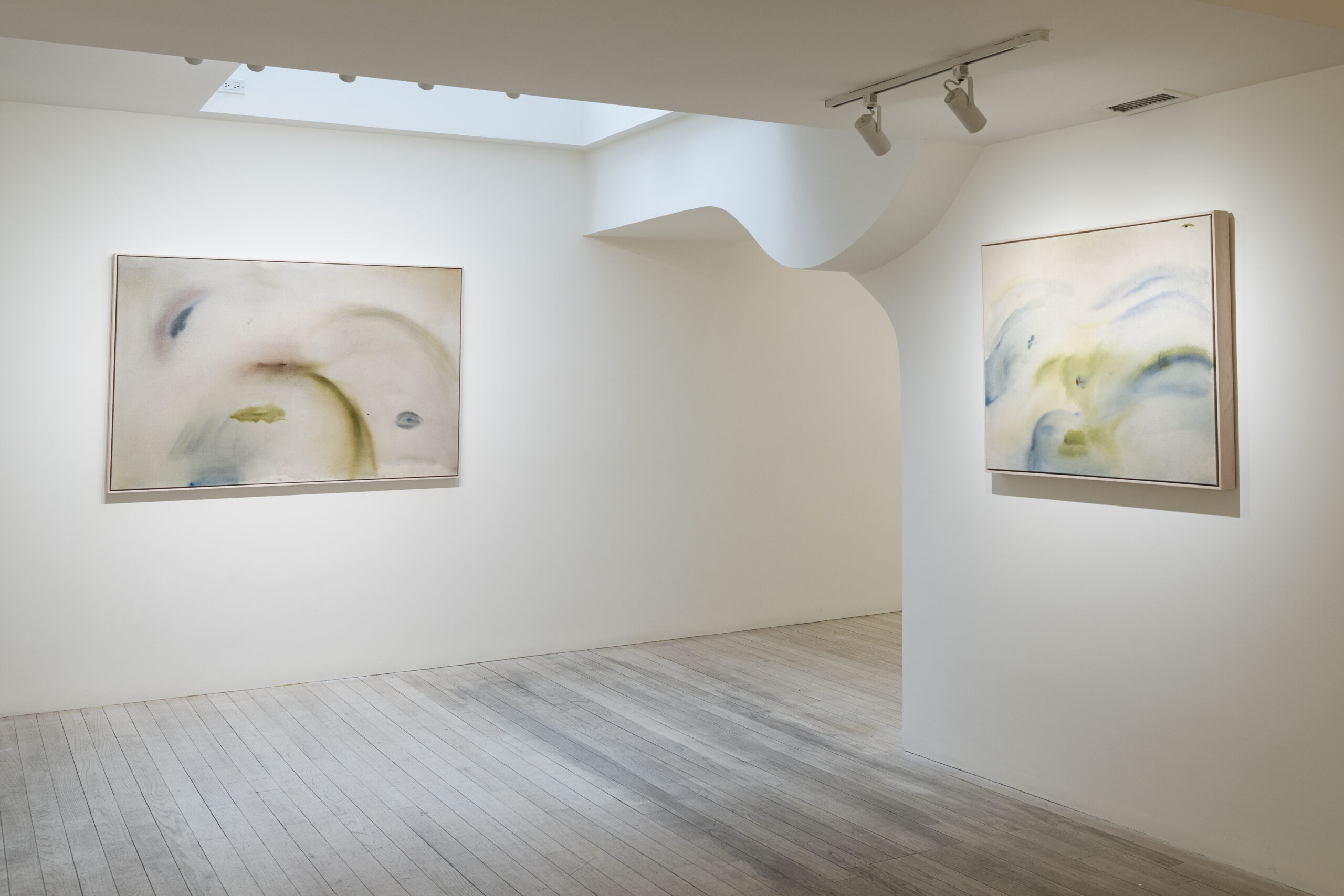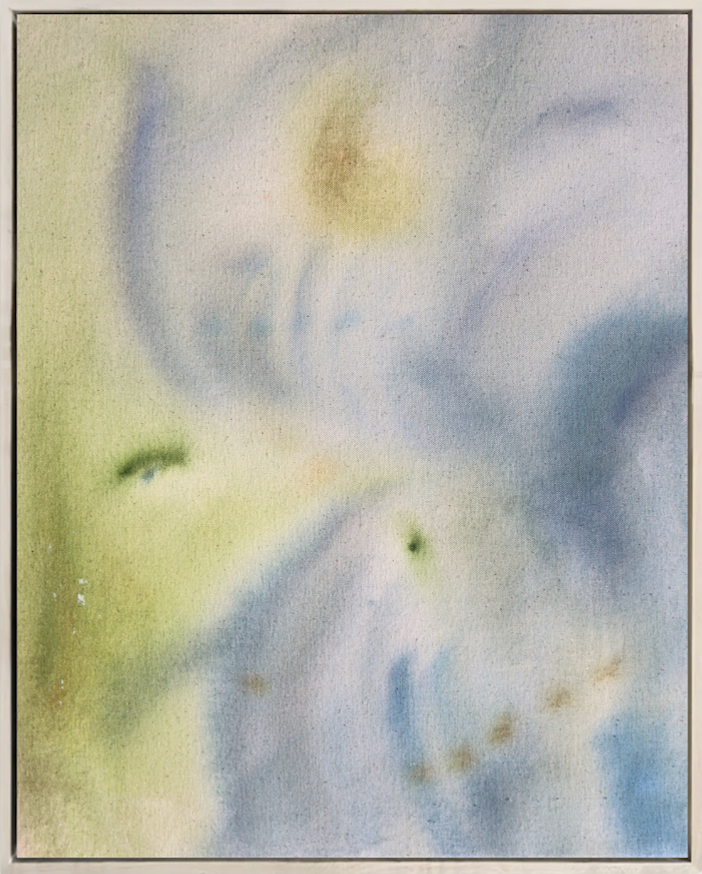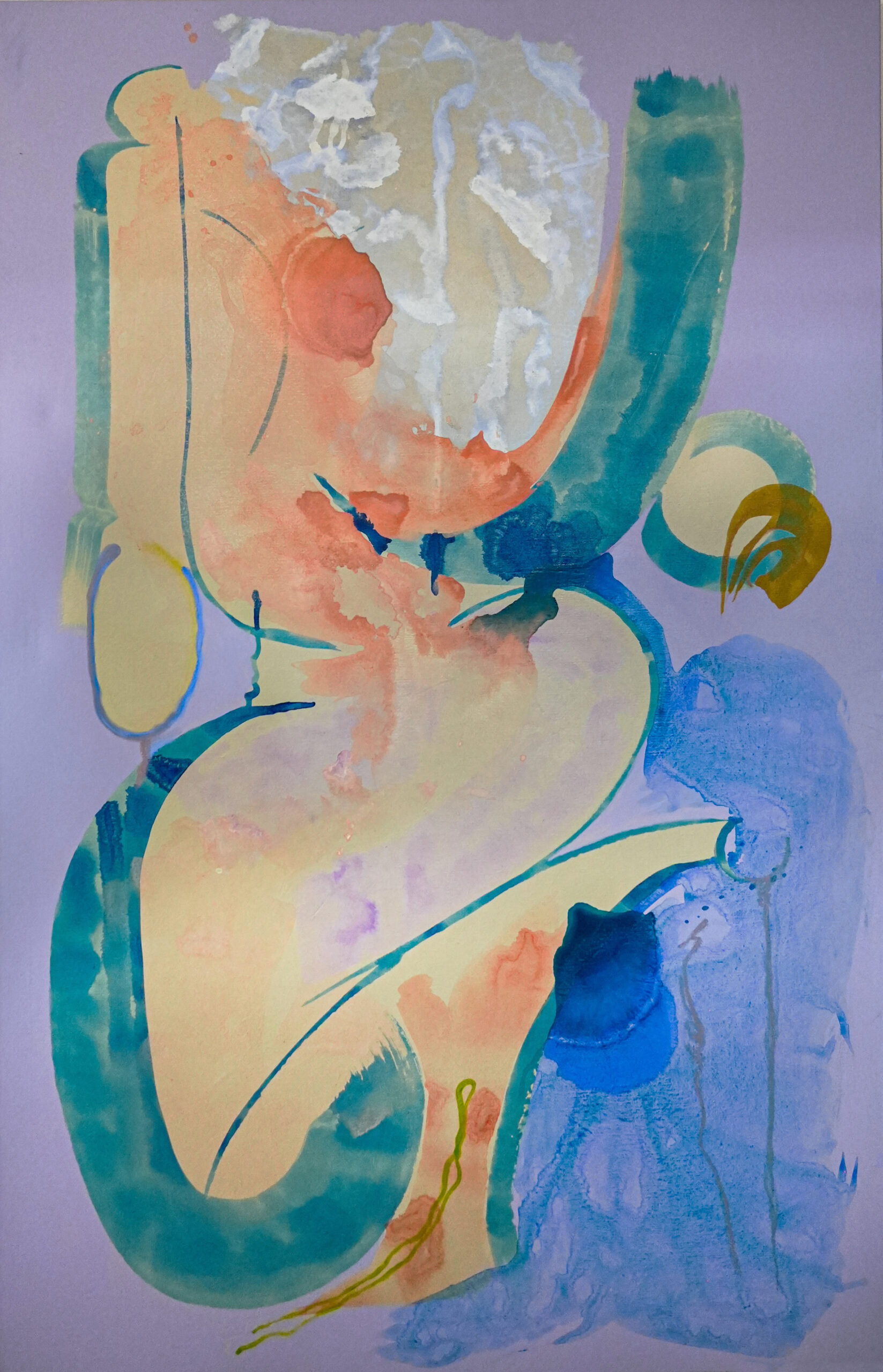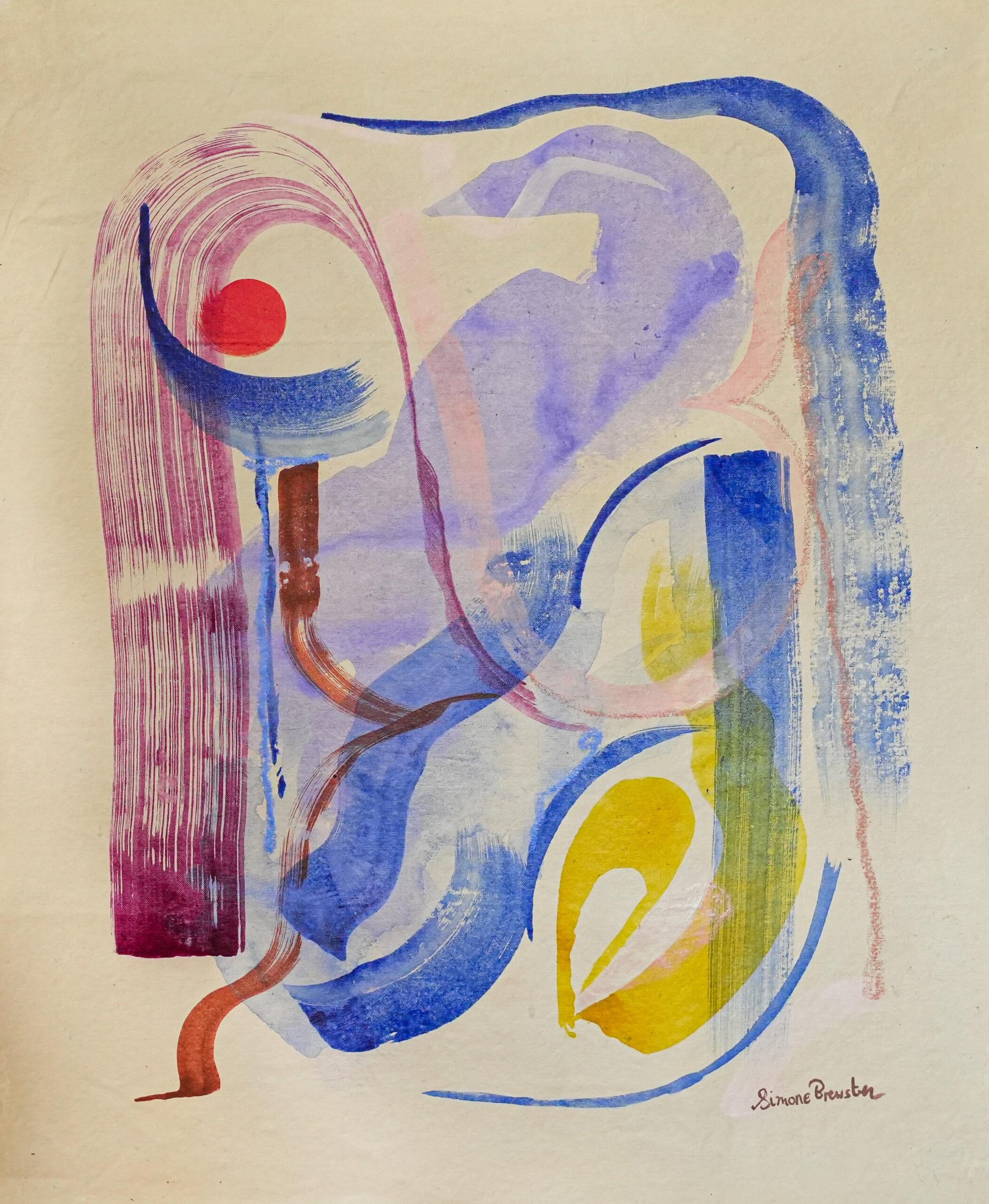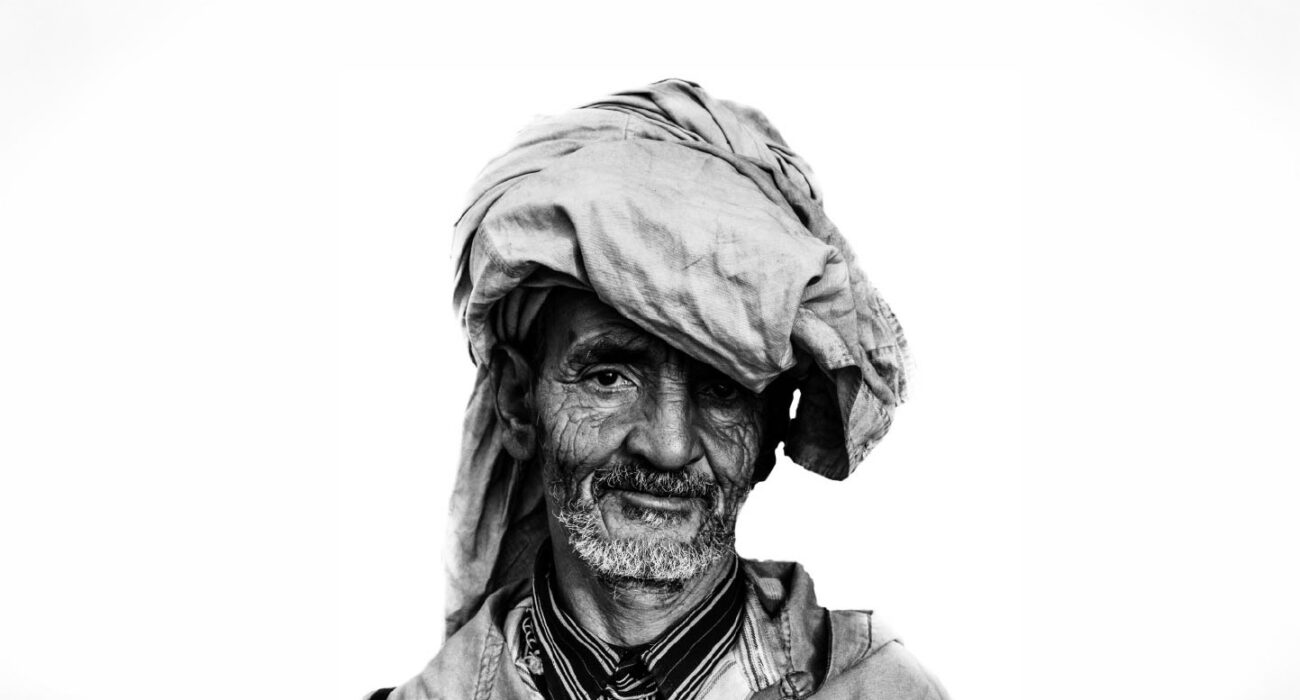
Moya Garrison – Msingwana

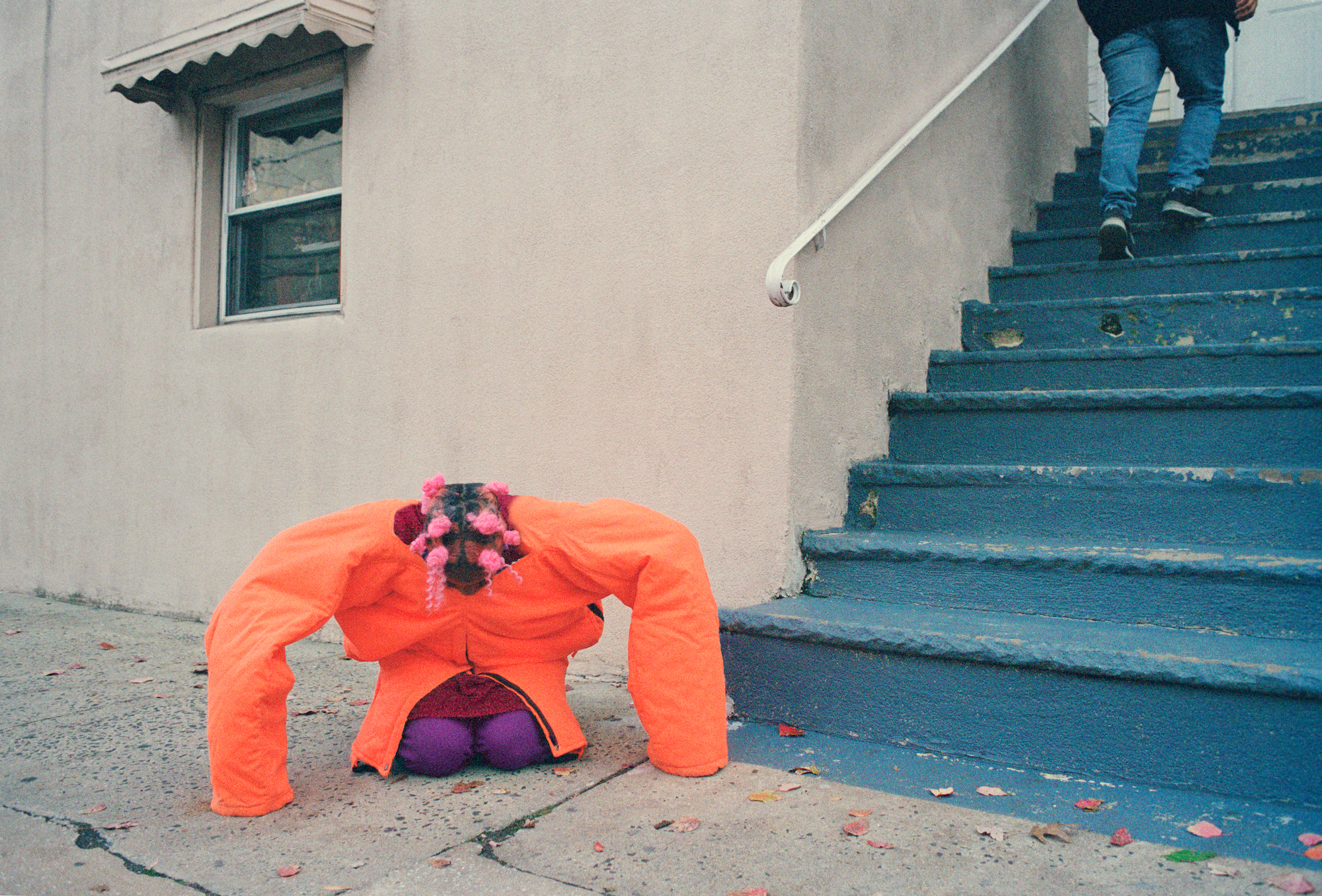
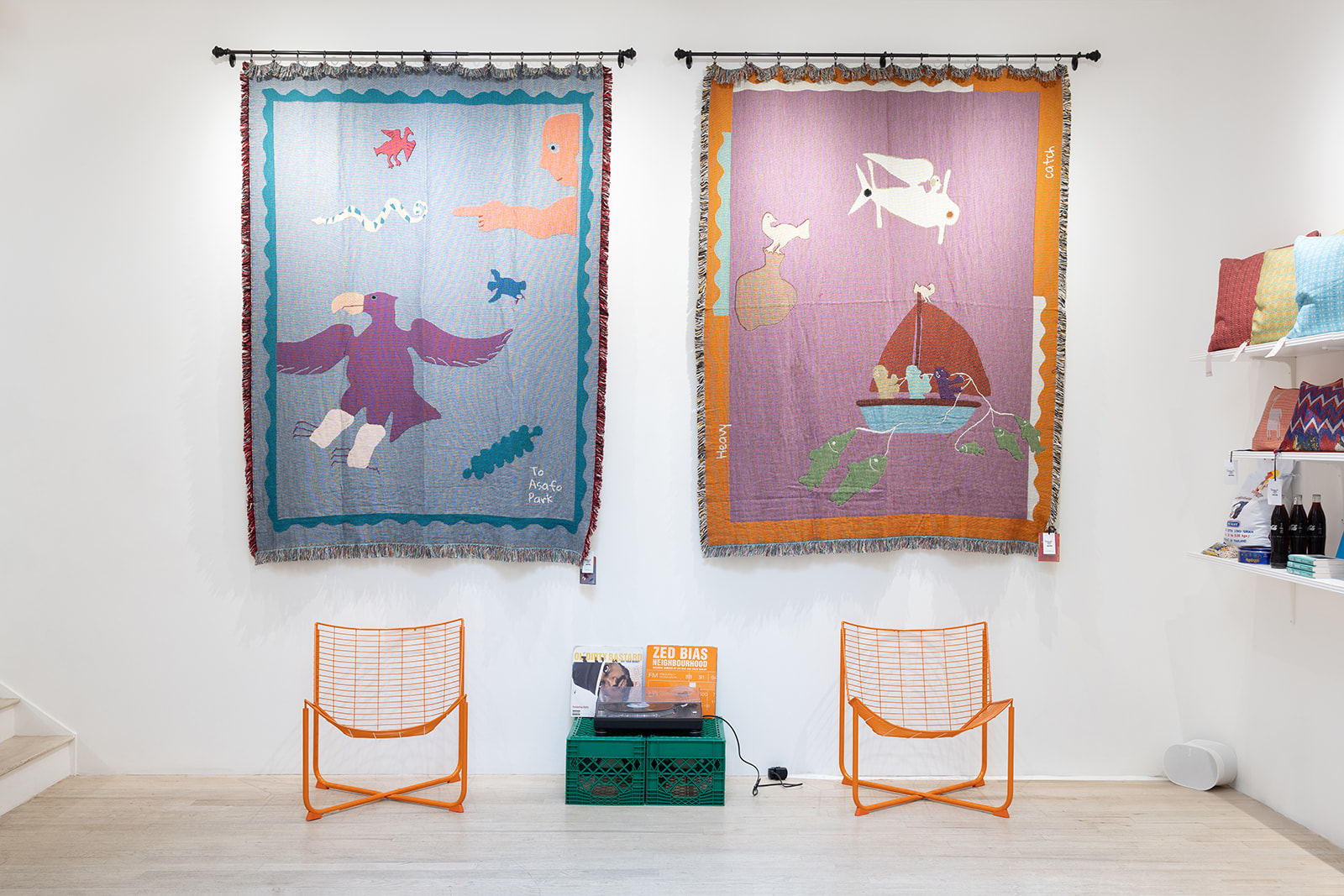
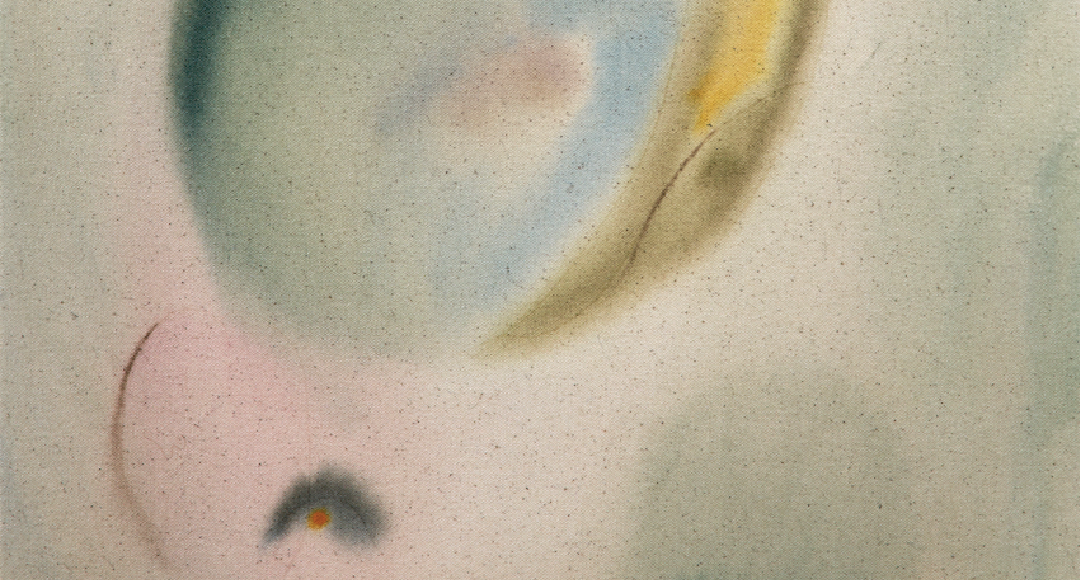
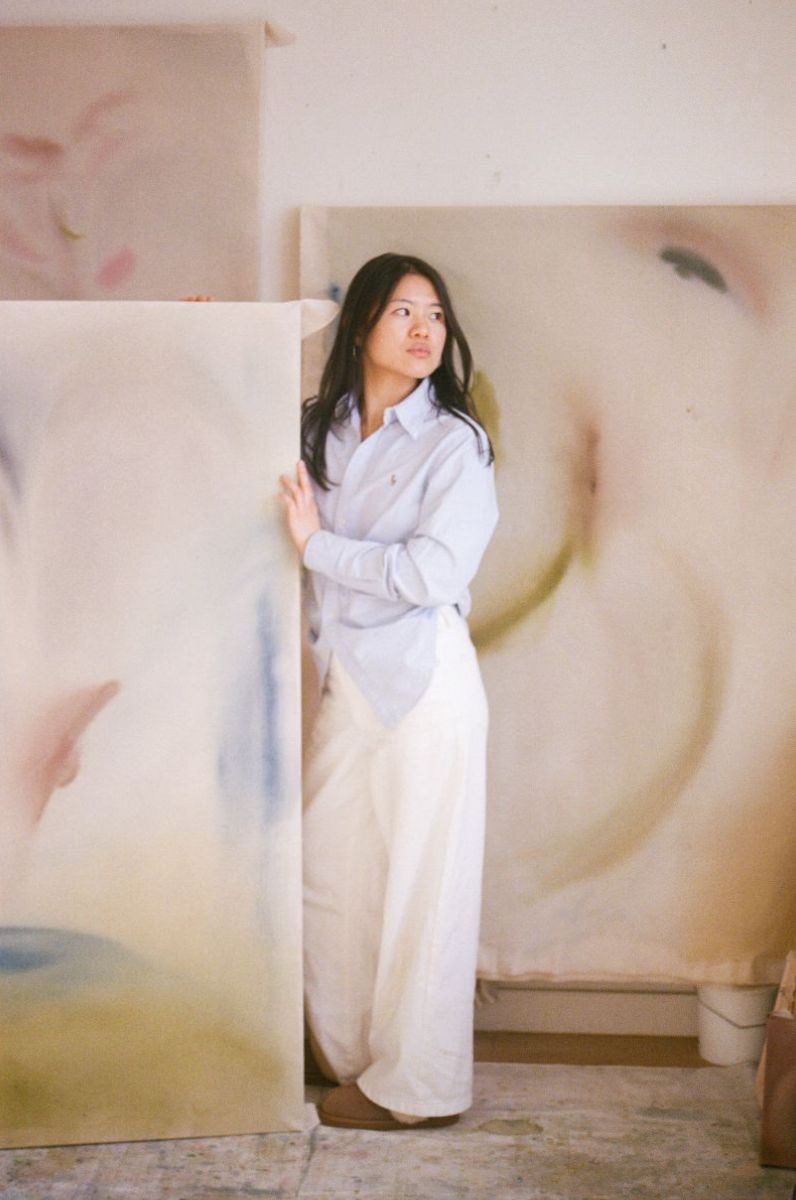
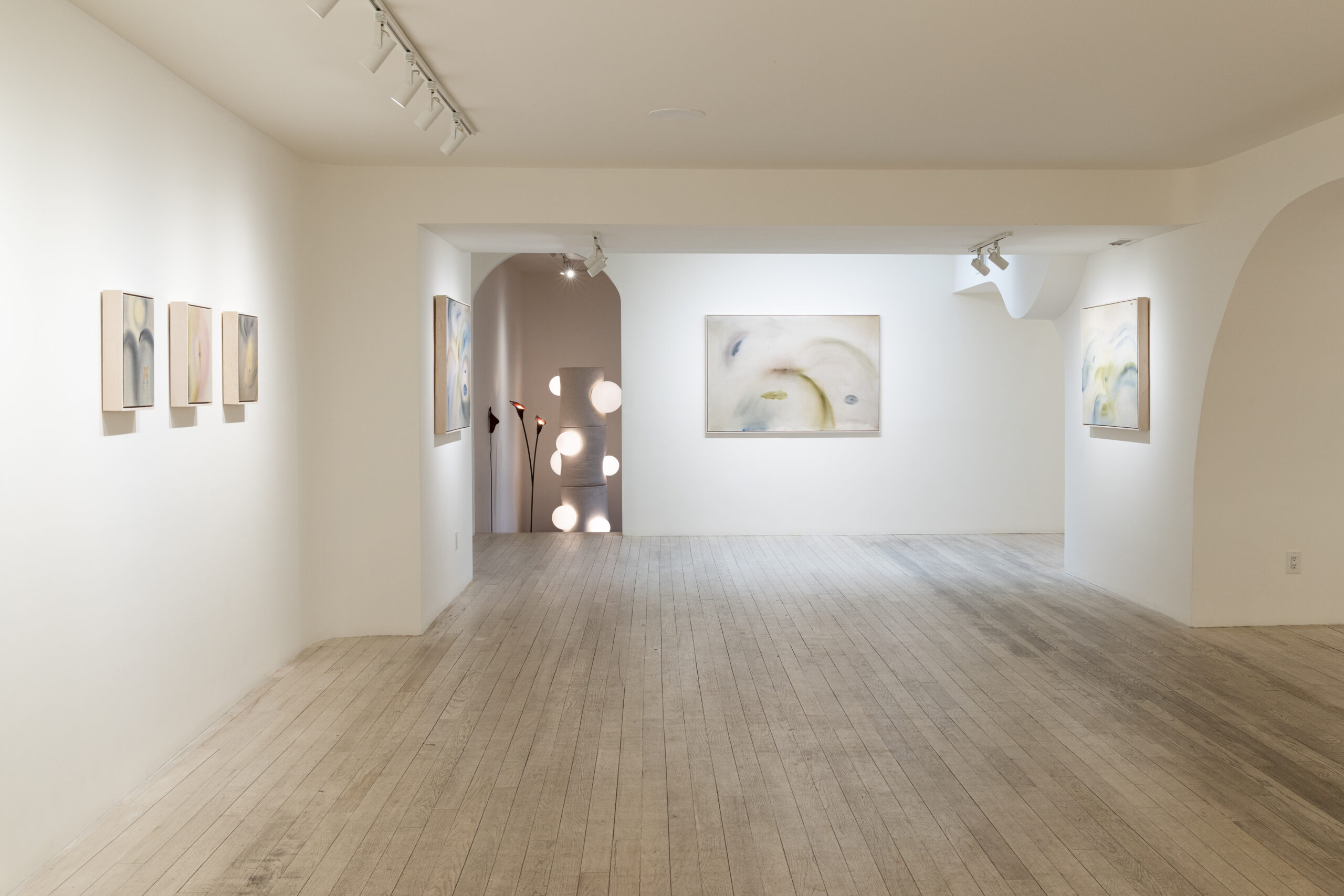
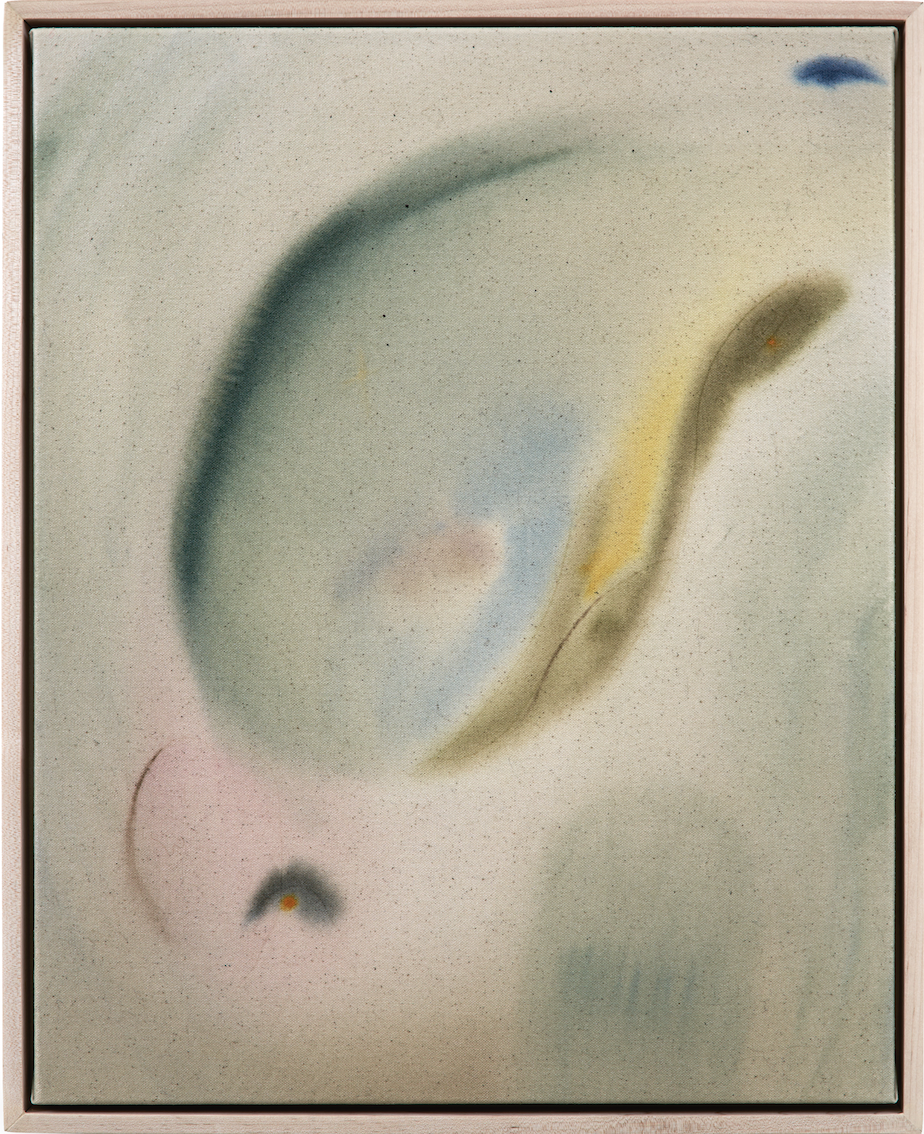
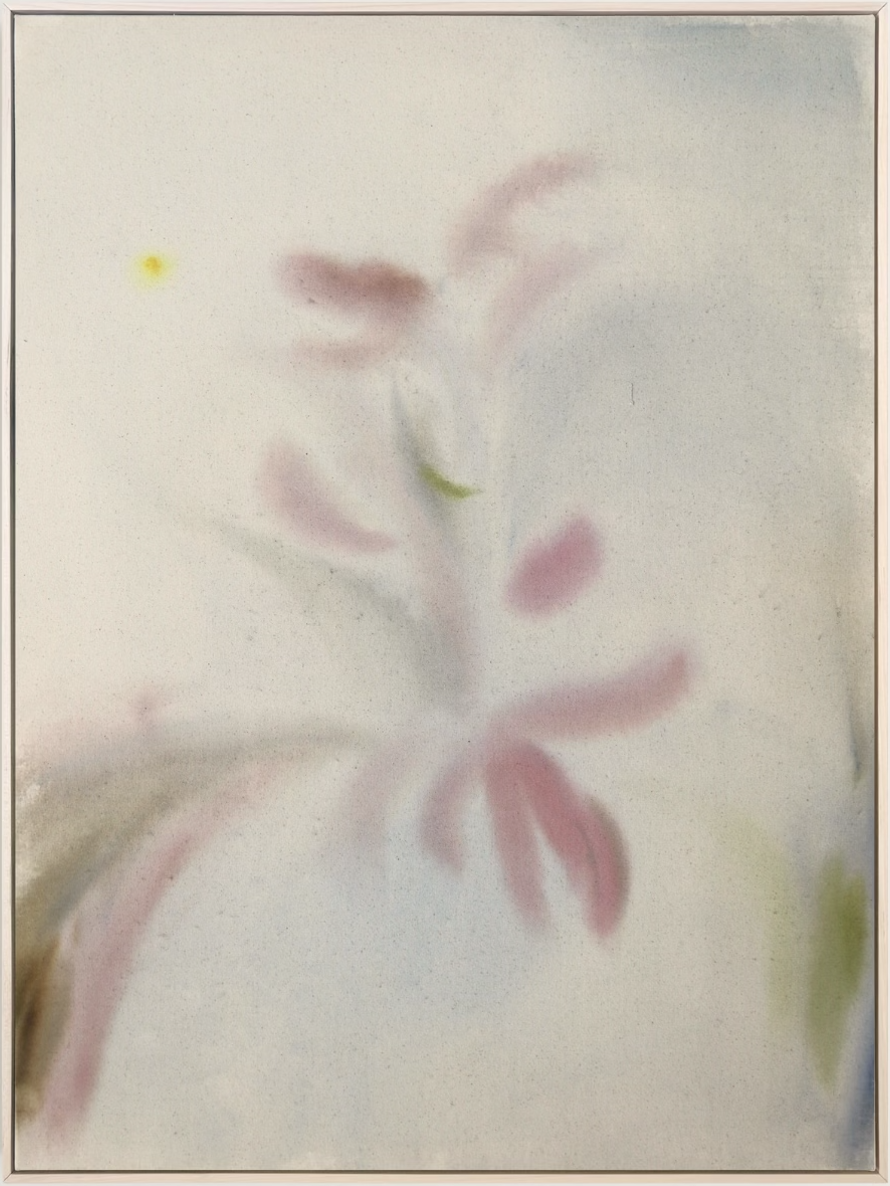
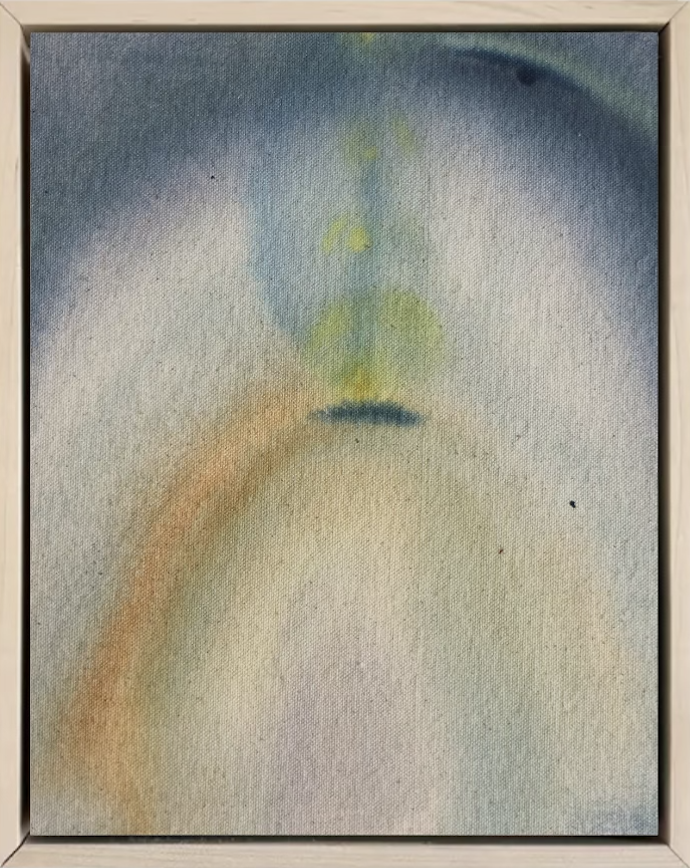
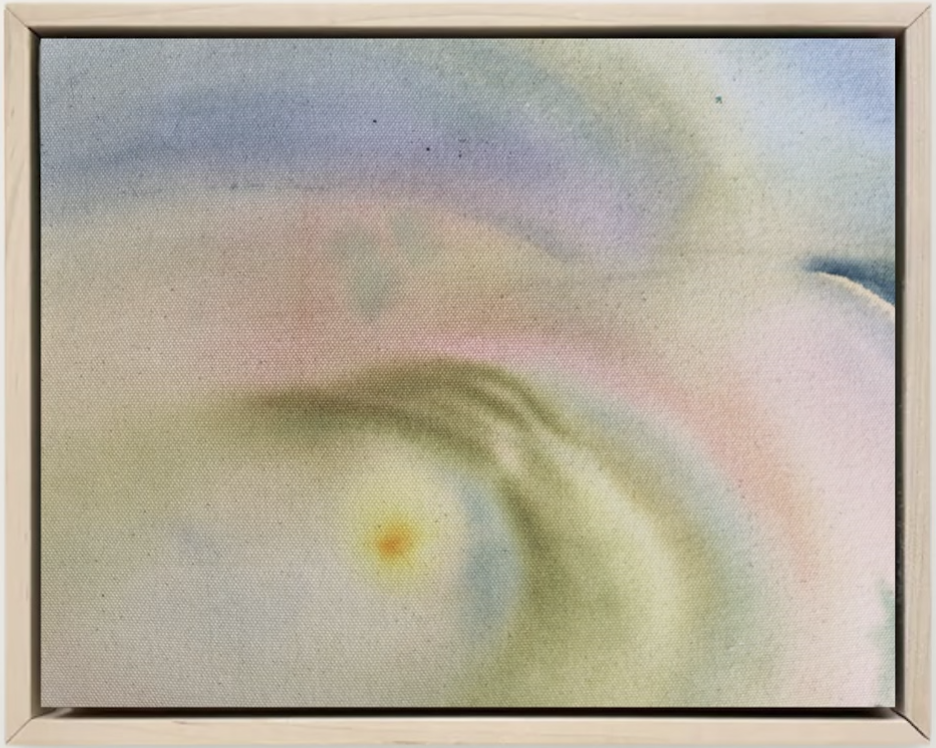
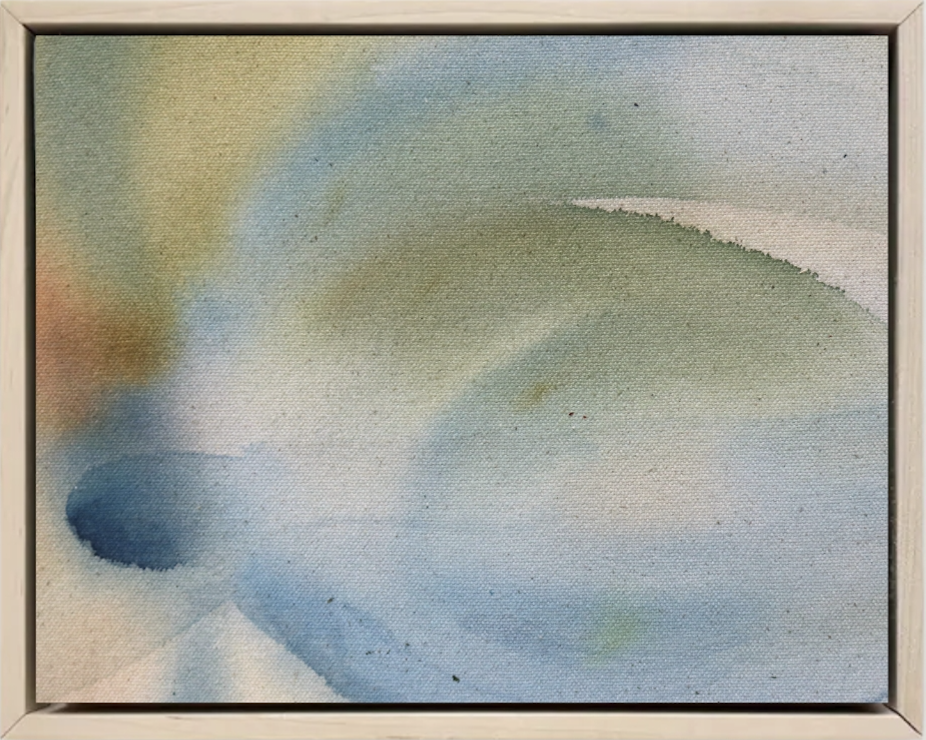
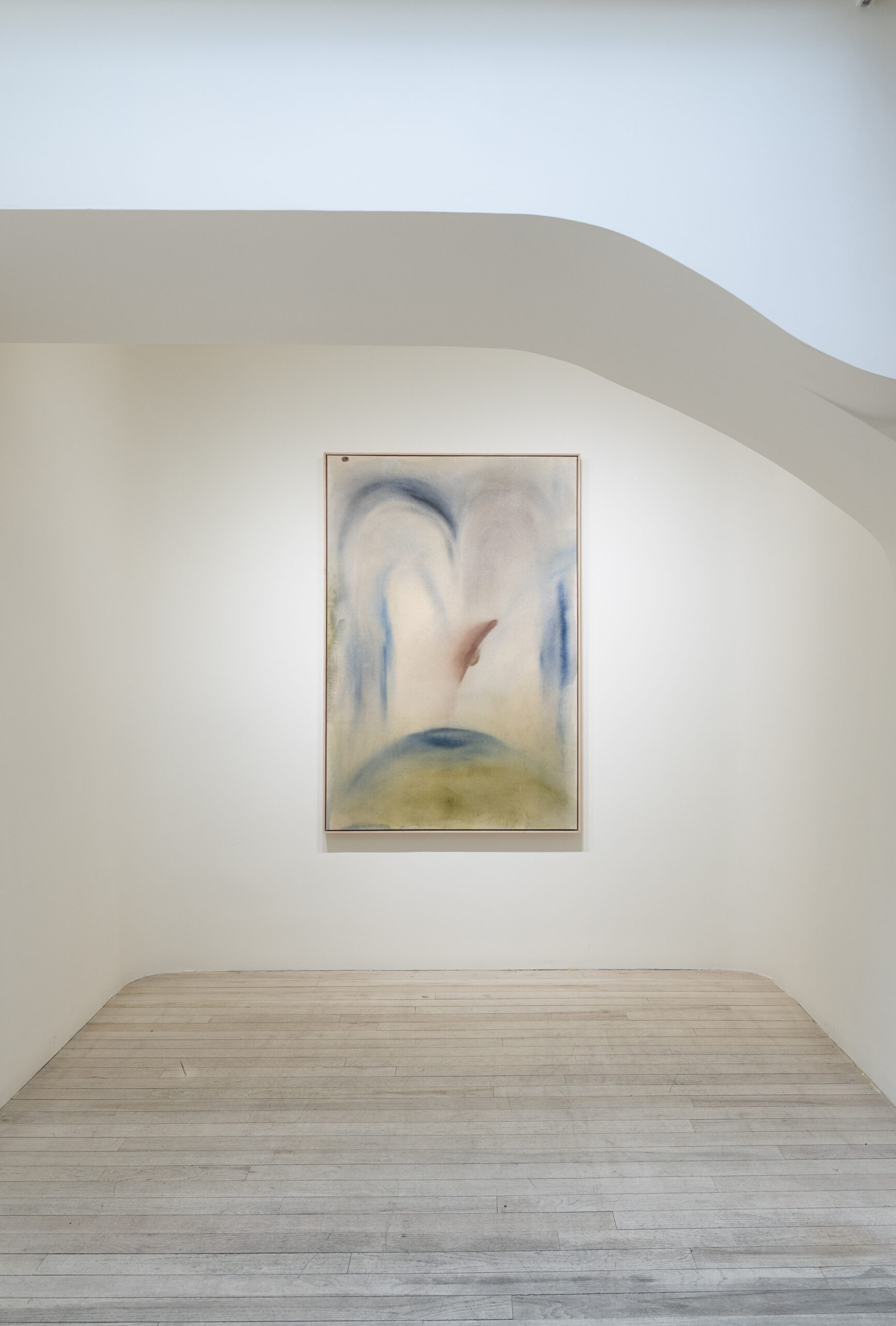
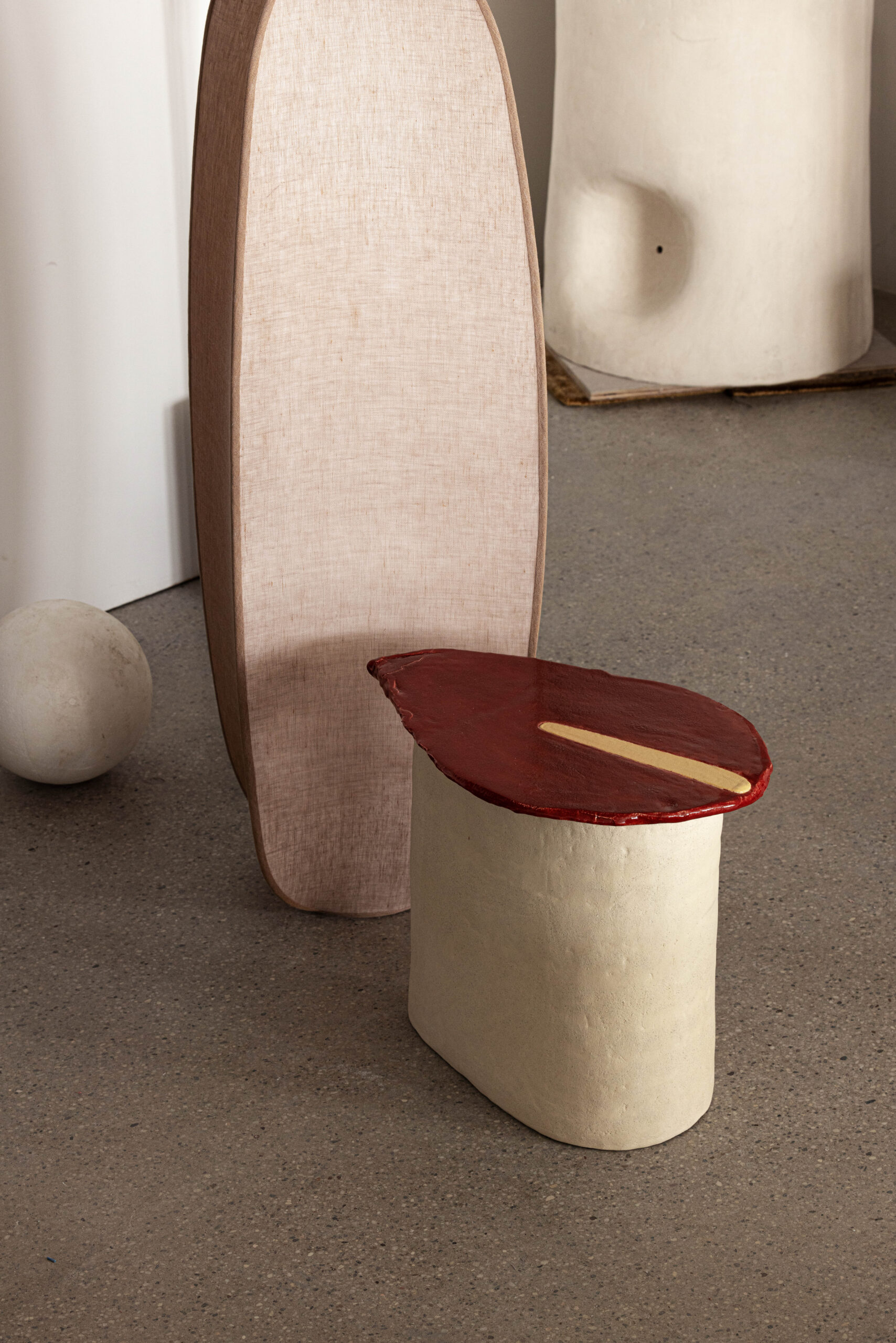
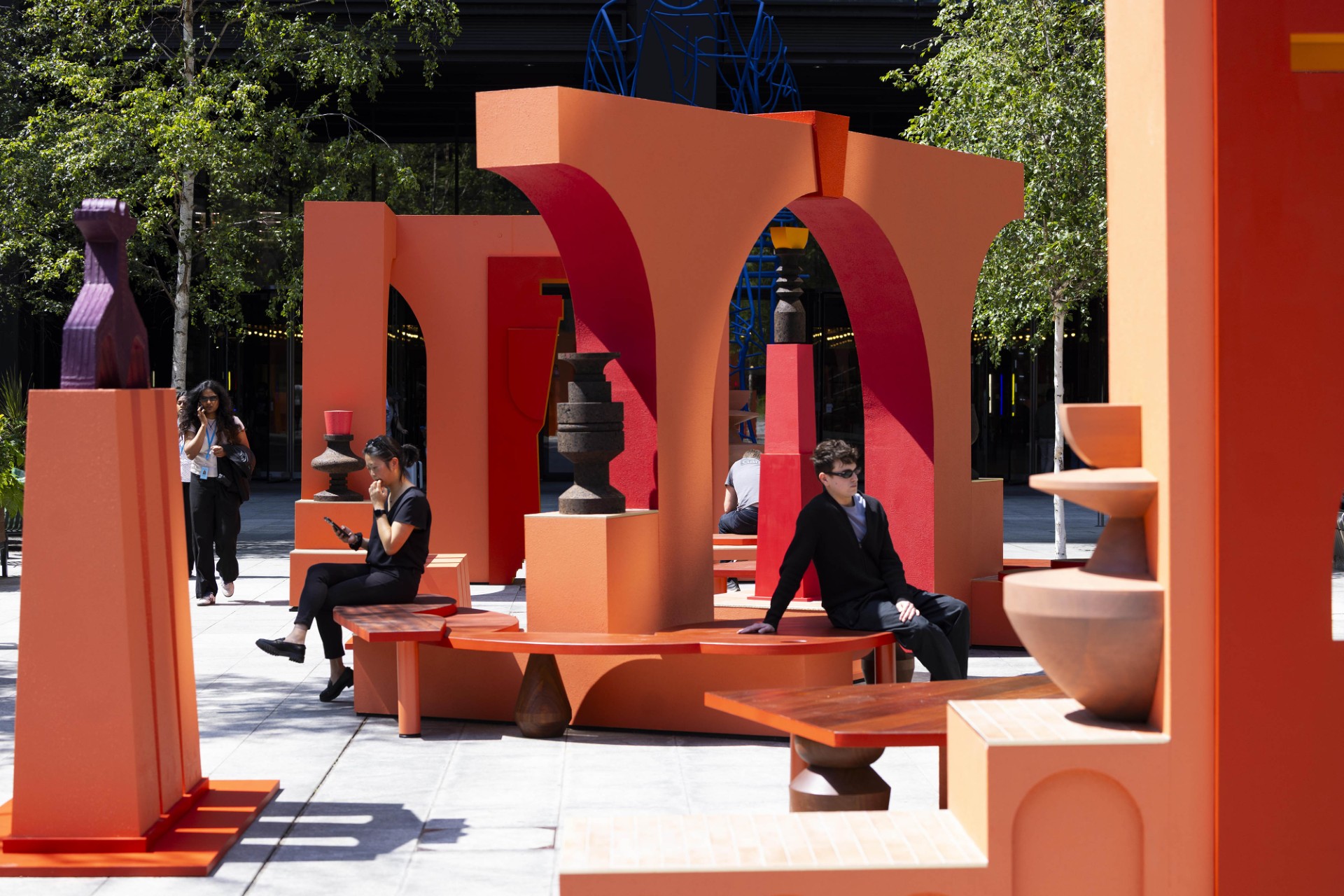
Moya Garrison-Msingwana, PILE_017, 2022

Moya Garrison-Msingwana also known as GANGBOX is a Toronto born artist and Illustrator with a BDES from OCAD University. Being of mixed background Moya has a unique perspective on the world. His eclectic work explores many themes rooted in pop culture, fashion, the supernatural and the absurd. Subverting everything from simple daily interactions to social issues, he shows a deep infatuation with form and character. His art whether zines, comics, murals, editorial illustrations, sculptures or drawings often exhibit the body and its relationship with the world around it. Works by Moya can be found in galleries, private collections or in campaigns and projects associated with the likes of Google, Loewe, Adidas, XL Recordings, The Northface, Gore-Tex, Stussy and many others. Proficient in traditional painting and digital rendering, his painterly and loose style is easily identifiable and engaging. Regardless of the medium he attempts to establish a relatable, humorous and critical forum for diverse audiences.
Moya Garrison-Msingwana also known as GANGBOX is a Toronto born artist and Illustrator with a BDES from OCAD University. Being of mixed background Moya has a unique perspective on the world. His eclectic work explores many themes rooted in pop culture, fashion, the supernatural and the absurd. Subverting everything from simple daily interactions to social issues, he shows a deep infatuation with form and character. His art whether zines, comics, murals, editorial illustrations, sculptures or drawings often exhibit the body and its relationship with the world around it. Works by Moya can be found in galleries, private collections or in campaigns and projects associated with the likes of Google, Loewe, Adidas, XL Recordings, The Northface, Gore-Tex, Stussy and many others. Proficient in traditional painting and digital rendering, his painterly and loose style is easily identifiable and engaging. Regardless of the medium he attempts to establish a relatable, humorous and critical forum for diverse audiences.

PILE_019
Moya Garrison- Msingwana
2022
PILE_016
Moya Garrison- Msingwana
2022
PILE_031
Moya Garrison- Msingwana
2024
Dreaming PILE_027;Dreaming PILE_028
Moya Garrison- Msingwana
2023
PILE_030
Moya Garrison- Msingwana
2024
PILE_024 (Yellow Study)
Moya Garrison- Msingwana
2023
PILE_020
Moya Garrison- Msingwana
2022
PILE_018
Moya Garrison- Msingwana
2022
PILE_022
Moya Garrison- Msingwana
2022
PILE_012
Moya Garrison- Msingwana
2022
PILE_014
Moya Garrison- Msingwana
2022
PILE_013
Moya Garrison- Msingwana
2022
Back to Artists

Renee Cox

Renee Cox, Mother of Us All, 2004

Renee Cox is one of the most controversial African-American artists working today using her own body, both nude and clothed to celebrate black womanhood and criticize a society she often views as racist and sexist.

She was born on October 16, 1960, in Colgate, Jamaica, into an upper middle-class family, who later settled in Scarsdale, New York. Cox’s first ambition was to become a filmmaker. “I was always interested in the visual” she said in one interview, “But I had a baby boomer reaction and was into the immediate gratification of photography as opposed to film, which is a more laborious project.” From the very beginning, her work showed a deep concern for social issues and employed disturbing religious imagery. In It Shall be Named (1994), a black man’s distorted body made up of eleven separate photographs hangs from a cross, as much resembling a lynched man as the crucified Christ.

In her first one-woman show at a New York gallery in 1998, Cox made herself the center of attention. Dressed in the colorful garb of a black superhero named Raje, Cox appeared in a series of large, color photographs. In one picture she towered over a cab in Times Square. In another, she broke steel chains before an erupting volcano. In the most pointed picture, entitled The Liberation of UB and Lady J, Cox’s Raje rescued the black stereotyped advertising figures of Uncle Ben and Aunt Jemima from their products, labels. The photograph was featured on the cover of the French newspaper Le Monde. “These slick, color-laden images, their large format and Cox’s own powerfully beautiful figure heighten the visual impact of the work, making Cox’s politics clear and engaging,” wrote one critic. But her next photographic series would be less engaging for some people and create a firestorm of controversy. In the series Flipping the Script, Cox took a number of European religious masterpieces, including Michelangelo’s David and The Pieta, and reinterpreted them with contemporary black figures. “…Christianity is big in the African-American community, but there are no representations of us,” she said. “I took it upon myself to include people of color in these classic scenarios.”

The photograph that created the most controversy when it was shown in a black photography exhibit at the Brooklyn Museum in New York City in 2001 was Yo Mama’s Last Supper. It was a remake of Leonardo Da Vinci’s Last Supper with a nude Cox siting in for Jesus Christ, surrounded by all black disciples, except for Judas who was white. Many Roman Catholics were outraged at the photograph and New York Mayor Rudolph Guiliani called for the forming of a commission to set “decency standards” to keep such works from being shown in any New York museum that received public funds. Cox responded by stating “I have a right to reinterpret the Last Supper as Leonardo Da Vinci created the Last Supper with people who look like him. The hoopla and the fury are because I’m a black female. It’s about me having nothing to hide.”

Cox continues to push the envelope with her work by using new technologies that the digital medium of photography has to offer. By working from her archives and shooting new subjects, Cox seeks to push the limits of her older work and create new consciousnesses of the body. Cox’s new work aims to “unleash the potential of the ordinary and bring it into a new realm of possibilities”. “It’s about time that we re-imagine our own constitutions.” states Cox.

Renee Cox is one of the most controversial African-American artists working today using her own body, both nude and clothed to celebrate black womanhood and criticize a society she often views as racist and sexist.

She was born on October 16, 1960, in Colgate, Jamaica, into an upper middle-class family, who later settled in Scarsdale, New York. Cox’s first ambition was to become a filmmaker. “I was always interested in the visual” she said in one interview, “But I had a baby boomer reaction and was into the immediate gratification of photography as opposed to film, which is a more laborious project.” From the very beginning, her work showed a deep concern for social issues and employed disturbing religious imagery. In It Shall be Named (1994), a black man’s distorted body made up of eleven separate photographs hangs from a cross, as much resembling a lynched man as the crucified Christ.

In her first one-woman show at a New York gallery in 1998, Cox made herself the center of attention. Dressed in the colorful garb of a black superhero named Raje, Cox appeared in a series of large, color photographs. In one picture she towered over a cab in Times Square. In another, she broke steel chains before an erupting volcano. In the most pointed picture, entitled The Liberation of UB and Lady J, Cox’s Raje rescued the black stereotyped advertising figures of Uncle Ben and Aunt Jemima from their products, labels. The photograph was featured on the cover of the French newspaper Le Monde. “These slick, color-laden images, their large format and Cox’s own powerfully beautiful figure heighten the visual impact of the work, making Cox’s politics clear and engaging,” wrote one critic. But her next photographic series would be less engaging for some people and create a firestorm of controversy. In the series Flipping the Script, Cox took a number of European religious masterpieces, including Michelangelo’s David and The Pieta, and reinterpreted them with contemporary black figures. “…Christianity is big in the African-American community, but there are no representations of us,” she said. “I took it upon myself to include people of color in these classic scenarios.”

The photograph that created the most controversy when it was shown in a black photography exhibit at the Brooklyn Museum in New York City in 2001 was Yo Mama’s Last Supper. It was a remake of Leonardo Da Vinci’s Last Supper with a nude Cox siting in for Jesus Christ, surrounded by all black disciples, except for Judas who was white. Many Roman Catholics were outraged at the photograph and New York Mayor Rudolph Guiliani called for the forming of a commission to set “decency standards” to keep such works from being shown in any New York museum that received public funds. Cox responded by stating “I have a right to reinterpret the Last Supper as Leonardo Da Vinci created the Last Supper with people who look like him. The hoopla and the fury are because I’m a black female. It’s about me having nothing to hide.”

Cox continues to push the envelope with her work by using new technologies that the digital medium of photography has to offer. By working from her archives and shooting new subjects, Cox seeks to push the limits of her older work and create new consciousnesses of the body. Cox’s new work aims to “unleash the potential of the ordinary and bring it into a new realm of possibilities”. “It’s about time that we re-imagine our own constitutions.” states Cox.

THE YO MAMA
Renee Cox
1993
The Ajak Web Cycle
Renee Cox
2016
The Awakening of Mr. Adams
Renee Cox
2016
River Queen
Renee Cox
2004
YOMAMADONNA AND CHILD
Renee Cox
1994
The Self Similarity of the Selfie
Renee Cox
2016The Fractal Dimension of Being
The Liberation of Aunt Jemima and Uncle Ben (From Raje: A Superhero Series)
Renee Cox
1998, printed 2023
Photo by Evan Mcknight
Back to Artists

Anya Paintsil

Anya Paintsil, Cwympo ni'n dau, wel dyna i chi dric! ll (We both fall over that’s the trick ll), 2023

Anya Paintsil works at the intersection of textile and sculpture, engaging in practices like rug-hooking, embroidery and tapestry-making; some of which she learned from family members. She frequently incorporates weaves, braids and other hair pieces as materials in her work. Painstil explores topics such as the female gaze, personal relationships and collective prejudices; topics that have been informed by her experiences growing up in North Wales in a mixed-race family. Paintsil studied at the Manchester School of Art, was awarded the Wakelin prize in 2021 and had solo exhibitions at the Glynn Vivian Museum, Swansea (2021) and We are all made of you, Ed Cross, London (2022). Her work is in the collections of The Whitworth (Manchester, UK), Glynn Vivian (Swansea, UK), Tullie House (Carlilse,UK), The Women’s Art Collection (Cambridge University, UK), The Stedelijk Museum (Amsterdam, NL) and Amoako Boa

Born 1993 in Wrexham, North Wales, Anya Paintsil is a Welsh and Ghanaian artist working primarily with textiles. From rug hooking to embroidery, her assemblages evoke tactile tapestry on the one hand, and constitute semi-sculptural interventions on the other. Playful and profound, flippant and forceful, her practice engages the language of fibres — of all kinds — with interrogations of materiality and political personhood.

Anya Paintsil made her London debut at Somerset House’s annual contemporary African art fair, 1-54, 2020. Recent institutional acquisitions include the National Museum of Wales; Arts Council Collective, London; Glynn Vivian Art Gallery, Swansea; The Whitworth Art Gallery, Manchester; Tullie House Museum, Carlisle; the Women’s Art Collection, Cambridge; Arts Council Collection, London, and The Stedelijk Museum, Amsterdam. Private collections include Amoako Boafo and Mark Quinn. Anya was awarded the prestigious Wakelin Prize 2020 (exhibited at the Glynn Vivian in 2021), and featured in Crafts Council Gallery’s exhibition ‘Maker’s Eye’, London and Salon 94 in New York, both 2021; in 2022, Anya presented her first London solo show, We Are All Made of You with Ed Cross, and in 2023, she presented a solo exhibition Proof of Their Victories with Hannah Traore Gallery (New York).

Anya Paintsil works at the intersection of textile and sculpture, engaging in practices like rug-hooking, embroidery and tapestry-making; some of which she learned from family members. She frequently incorporates weaves, braids and other hair pieces as materials in her work. Painstil explores topics such as the female gaze, personal relationships and collective prejudices; topics that have been informed by her experiences growing up in North Wales in a mixed-race family. Paintsil studied at the Manchester School of Art, was awarded the Wakelin prize in 2021 and had solo exhibitions at the Glynn Vivian Museum, Swansea (2021) and We are all made of you, Ed Cross, London (2022). Her work is in the collections of The Whitworth (Manchester, UK), Glynn Vivian (Swansea, UK), Tullie House (Carlilse,UK), The Women’s Art Collection (Cambridge University, UK), The Stedelijk Museum (Amsterdam, NL) and Amoako Boa

Born 1993 in Wrexham, North Wales, Anya Paintsil is a Welsh and Ghanaian artist working primarily with textiles. From rug hooking to embroidery, her assemblages evoke tactile tapestry on the one hand, and constitute semi-sculptural interventions on the other. Playful and profound, flippant and forceful, her practice engages the language of fibres — of all kinds — with interrogations of materiality and political personhood.

Anya Paintsil made her London debut at Somerset House’s annual contemporary African art fair, 1-54, 2020. Recent institutional acquisitions include the National Museum of Wales; Arts Council Collective, London; Glynn Vivian Art Gallery, Swansea; The Whitworth Art Gallery, Manchester; Tullie House Museum, Carlisle; the Women’s Art Collection, Cambridge; Arts Council Collection, London, and The Stedelijk Museum, Amsterdam. Private collections include Amoako Boafo and Mark Quinn. Anya was awarded the prestigious Wakelin Prize 2020 (exhibited at the Glynn Vivian in 2021), and featured in Crafts Council Gallery’s exhibition ‘Maker’s Eye’, London and Salon 94 in New York, both 2021; in 2022, Anya presented her first London solo show, We Are All Made of You with Ed Cross, and in 2023, she presented a solo exhibition Proof of Their Victories with Hannah Traore Gallery (New York).

Concrete (l)
Anya Paintsil
2023
You're more on the evil side! While you see it as being nice, your honesty can sometimes come off a harsh and cold.
Anya Paintsil
2023
It’s home from home wherever I roam
Anya Paintsil
2023
Cwympo ni'n dau, wel dyna i chi dric! ll (We both fall over that’s the trick ll)
Anya Paintsil
2023
Dros y mynydd (over the mountain)
Anya Paintsil
2023
When I cut one off, another grows in it’s place (ll)
Anya Paintsil
2023
Gwallt
Anya Paintsil
2022
Shroud
Anya Paintsil
2022
You are Catherine de' Medici, a person of diplomacy and refinement. You excel in finding common ground and promoting harmony among diverse individuals
Anya Paintsil
2023
Combs
Anya Paintsil
2022
When I cut one off, another grows in it’s place (lll)
Anya Paintsil
2023
Jazzy and Snazzy
Anya Paintsil
2022
Bach I (Little)
Anya Paintsil
2022
Toothy
Anya Paintsil
2025
Back to Artists

Deborah Czeresko

Deborah Czeresko, Pink Tall Scallop Top, 2023

Deborah Czeresko is a New York City-based artist and designer, best known for their work with glass. Their work references food, art history, gender, and their experiences as a queer artist. Czeresko first started working with glass at the New York Experimental Glass Workshop, now known as Urban Glass in 1987, receiving their MFA from Tulane University in 1992. In 2019, Czeresko captivated viewers as the winner of the inaugural season of Netflix’s Blown Away. As a glass artist, Czeresko creates work that challenges societal norms and speaks on queer issues. Their work references the traditions of Venetian glass blowing while also adding contemporary discussions on feminism and gender politics. Czeresko has most notably been shown in the Corning Museum of Glass, the Smithsonian American Art Museum, the Toyama Glass Art Museum and the Toledo Museum of Art. Czeresko is the recipient of various fellowships and residencies including Tyler School of Art, UrbanGlass, NY, LUCA School of Art, Belgium and College of Creative Studies, Detroit.

Deborah Czeresko is a New York City-based artist and designer, best known for their work with glass. Their work references food, art history, gender, and their experiences as a queer artist. Czeresko first started working with glass at the New York Experimental Glass Workshop, now known as Urban Glass in 1987, receiving their MFA from Tulane University in 1992. In 2019, Czeresko captivated viewers as the winner of the inaugural season of Netflix’s Blown Away. As a glass artist, Czeresko creates work that challenges societal norms and speaks on queer issues. Their work references the traditions of Venetian glass blowing while also adding contemporary discussions on feminism and gender politics. Czeresko has most notably been shown in the Corning Museum of Glass, the Smithsonian American Art Museum, the Toyama Glass Art Museum and the Toledo Museum of Art. Czeresko is the recipient of various fellowships and residencies including Tyler School of Art, UrbanGlass, NY, LUCA School of Art, Belgium and College of Creative Studies, Detroit.

Installation View
Deborah Czeresko
2023
Shitake Panel
Deborah Czeresko
2023
Purple Top
Deborah Czeresko
2023
Orange Double
Deborah Czeresko
2023
Queerdelier
Deborah Czeresko
2023
Medium Beige
Deborah Czeresko
2023
Back to Artists

Quil Lemons

Quil Lemons, Grant, 2023

Quil Lemons is a New York based photographer, originally hailing from Philadelphia. His visual language is distinct and interrogates ideas around masculinity, family, queerness, race, and beauty. Quil’s work dances the line between the fantastic and realistic, resulting in disruptive images that feel like pure imagination, while simultaneously grounding us in references to our current cultural climate. His images can be found in publications such as Allure, Garage, i-D, Shadowplay, The New York Times, Vanity Fair, Variety, and W, among others. His clients include Burberry, Calvin Klein, Givenchy, Guess, Gucci, Moncler, Nike, Nordstrom, SSENSE, and Valentino, among others.

Quil has previously exhibited at International Center of Photography, New York, 2021, in Lincoln Center at the American Ballet Theatre’s Fall Season, New York, 2021, Aperture’s New Black Vanguard, New York, 2019, Kuumba Festival, Toronto, 2019, and Contact Festival, Toronto, 2018. He has given artist talks at Fotografiska in New York, and ArtCenter College of Design in Pasadena, CA. He launched a capsule collection with Sky High Farm Workwear titled “Farm Boys Do It Better” in February 2023 and is currently a Contributing Art Director at the brand.

Quil Lemons is a New York based photographer, originally hailing from Philadelphia. His visual language is distinct and interrogates ideas around masculinity, family, queerness, race, and beauty. Quil’s work dances the line between the fantastic and realistic, resulting in disruptive images that feel like pure imagination, while simultaneously grounding us in references to our current cultural climate. His images can be found in publications such as Allure, Garage, i-D, Shadowplay, The New York Times, Vanity Fair, Variety, and W, among others. His clients include Burberry, Calvin Klein, Givenchy, Guess, Gucci, Moncler, Nike, Nordstrom, SSENSE, and Valentino, among others.

Quil has previously exhibited at International Center of Photography, New York, 2021, in Lincoln Center at the American Ballet Theatre’s Fall Season, New York, 2021, Aperture’s New Black Vanguard, New York, 2019, Kuumba Festival, Toronto, 2019, and Contact Festival, Toronto, 2018. He has given artist talks at Fotografiska in New York, and ArtCenter College of Design in Pasadena, CA. He launched a capsule collection with Sky High Farm Workwear titled “Farm Boys Do It Better” in February 2023 and is currently a Contributing Art Director at the brand.

Untitled
Quil Lemons
2023
Untitled
Quil Lemons
2023
Untitled
Quil Lemons
2023
Untitled
Quil Lemons
2023
Thugpop
Quil Lemons
2023
Quiladelphia
Quil Lemons
2023
Back to Artists