Kesewa Aboah

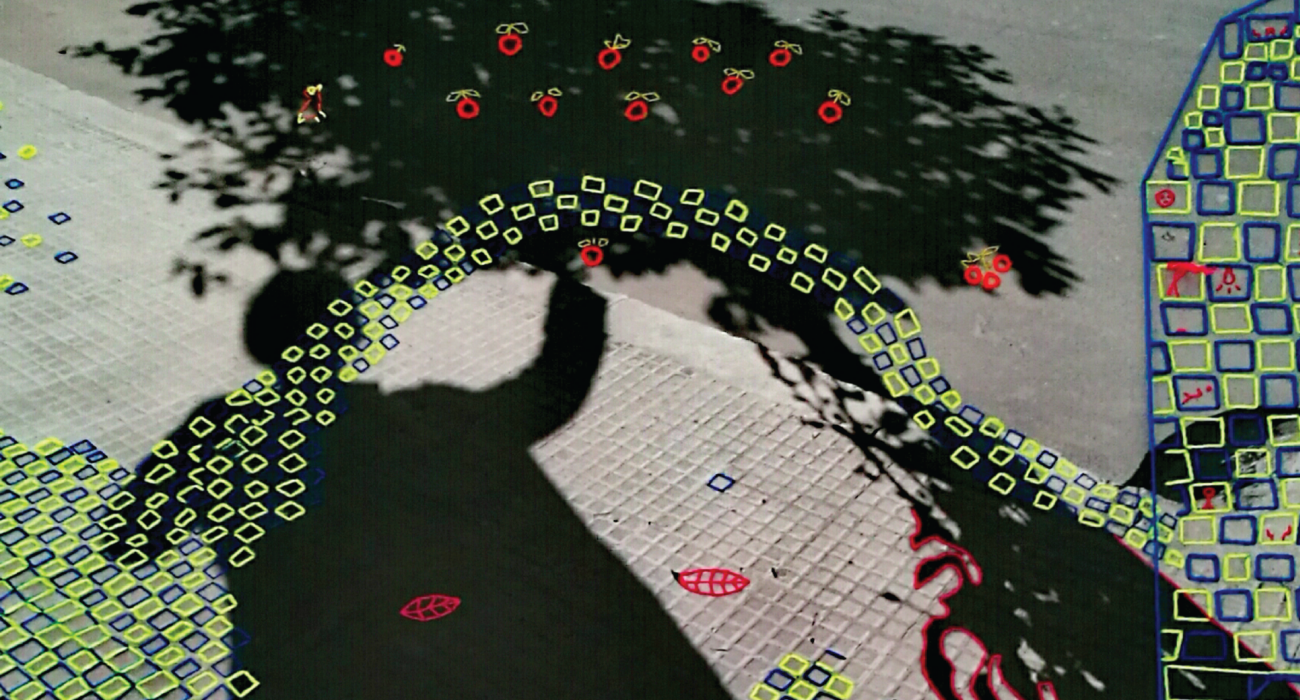
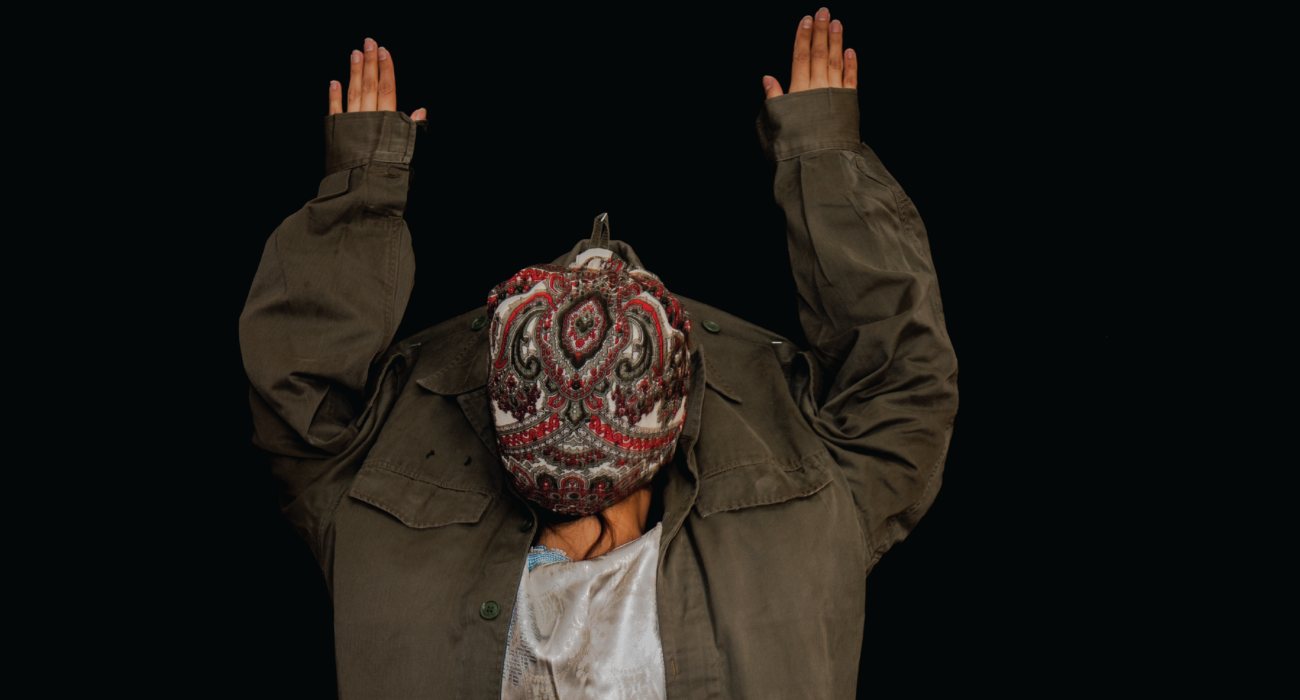
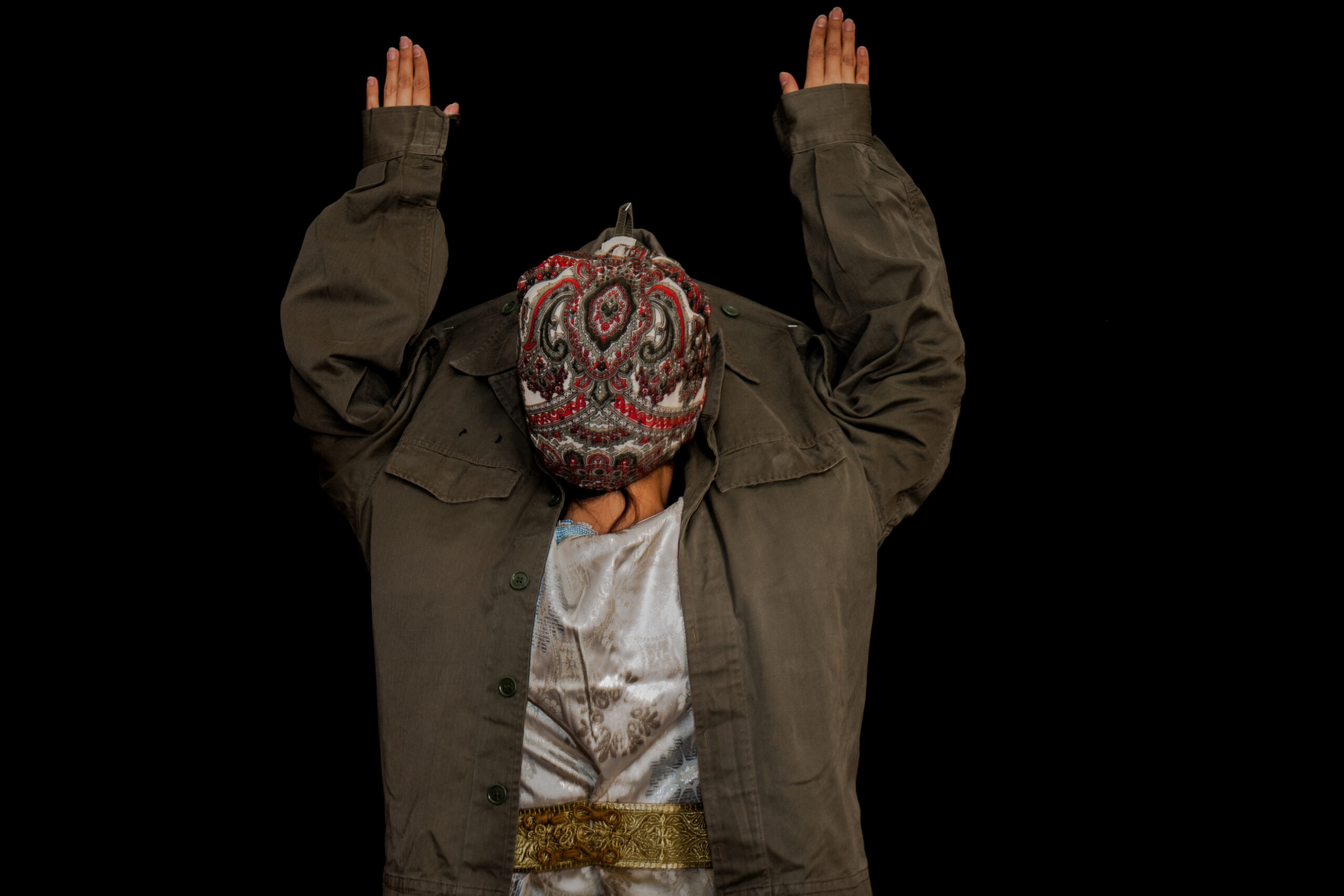
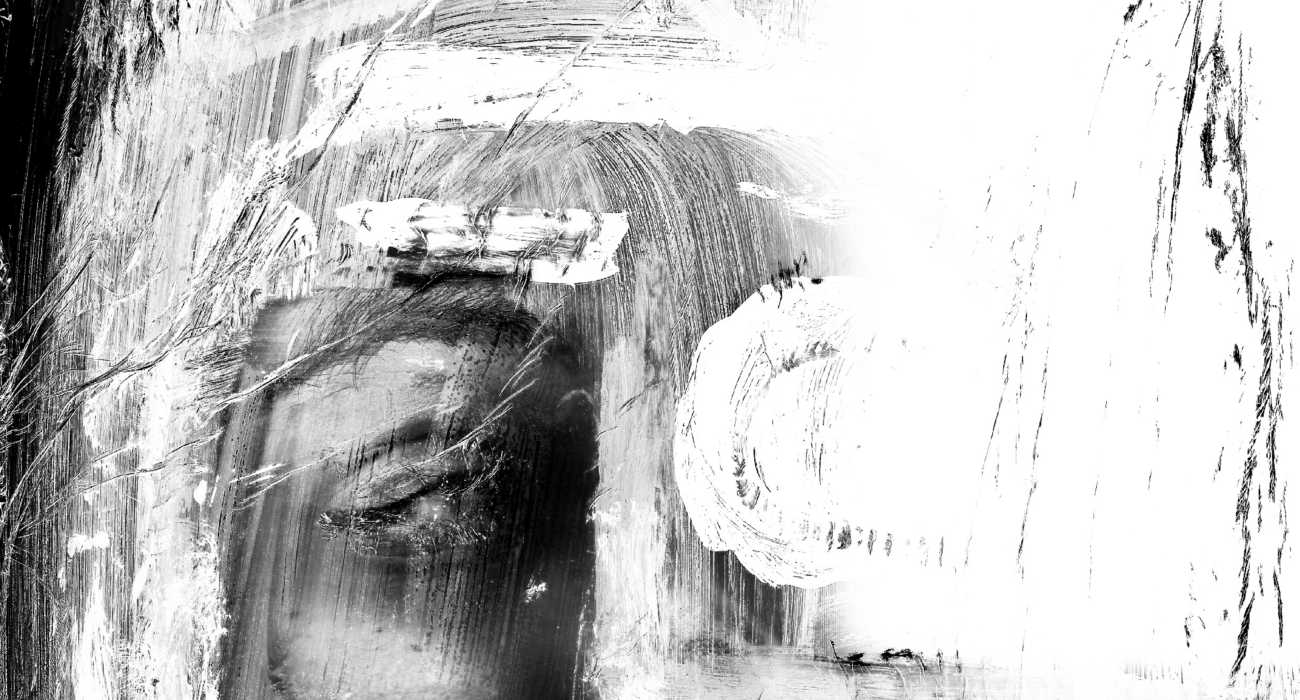
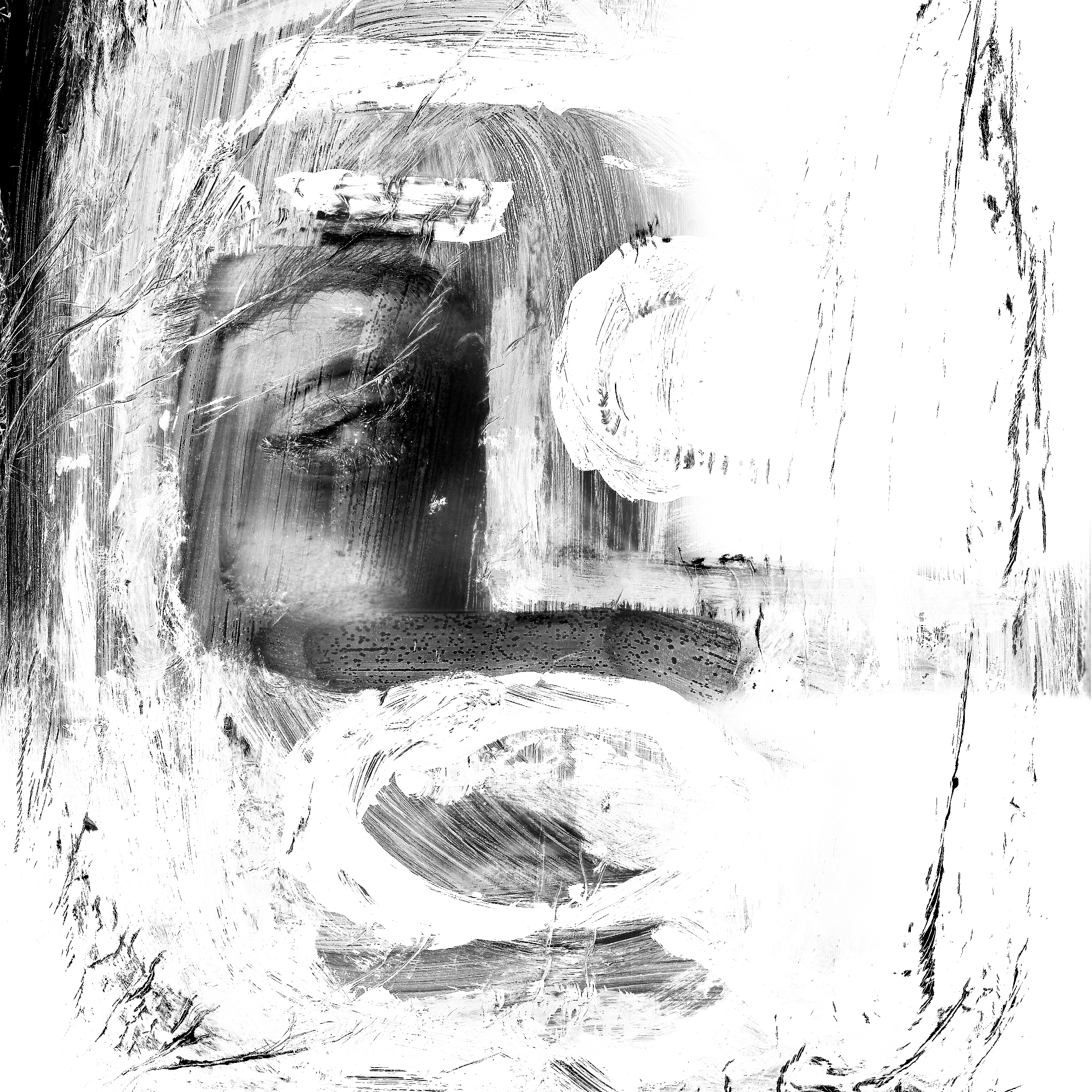
Kesewa Aboah, Kiss, 2025 (detail)

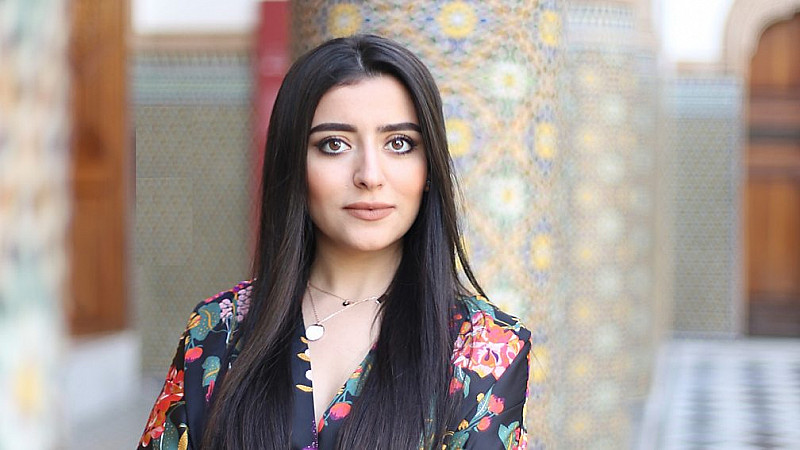
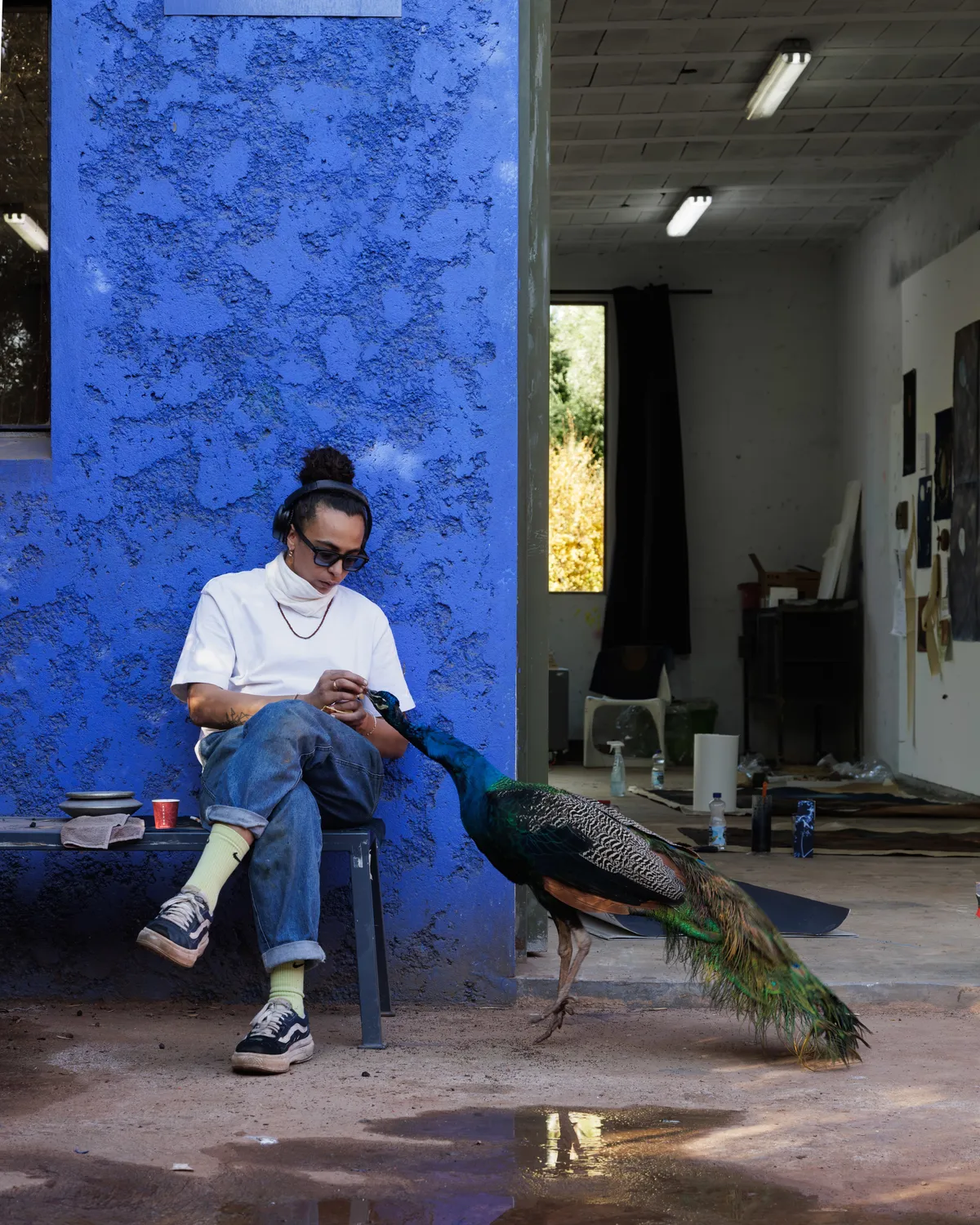
Kesewa Aboah lives and works in London. She received her BA in Fine Arts from the School of Visual Arts, New York (2017). Her work has been exhibited internationally, with solo presentations at Gallery 12.26, Dallas; Incubator 23, London; and The Armory Show with 12.26, New York. Group exhibitions include Frieze No. 9 Cork Street, London; Christie’s, London; and Timothy Taylor Gallery, London. In 2018, Aboah was an Artist in Residence at ArtsIceland in Ísafjörður, Iceland.


Kesewa Aboah lives and works in London. She received her BA in Fine Arts from the School of Visual Arts, New York (2017). Her work has been exhibited internationally, with solo presentations at Gallery 12.26, Dallas; Incubator 23, London; and The Armory Show with 12.26, New York. Group exhibitions include Frieze No. 9 Cork Street, London; Christie’s, London; and Timothy Taylor Gallery, London. In 2018, Aboah was an Artist in Residence at ArtsIceland in Ísafjörður, Iceland.


Kesewa Aboah
Nancy Liberty
Kesewa Aboah
2022
Kiss
Kesewa Aboah
2025
Photo by Evan Mcknight
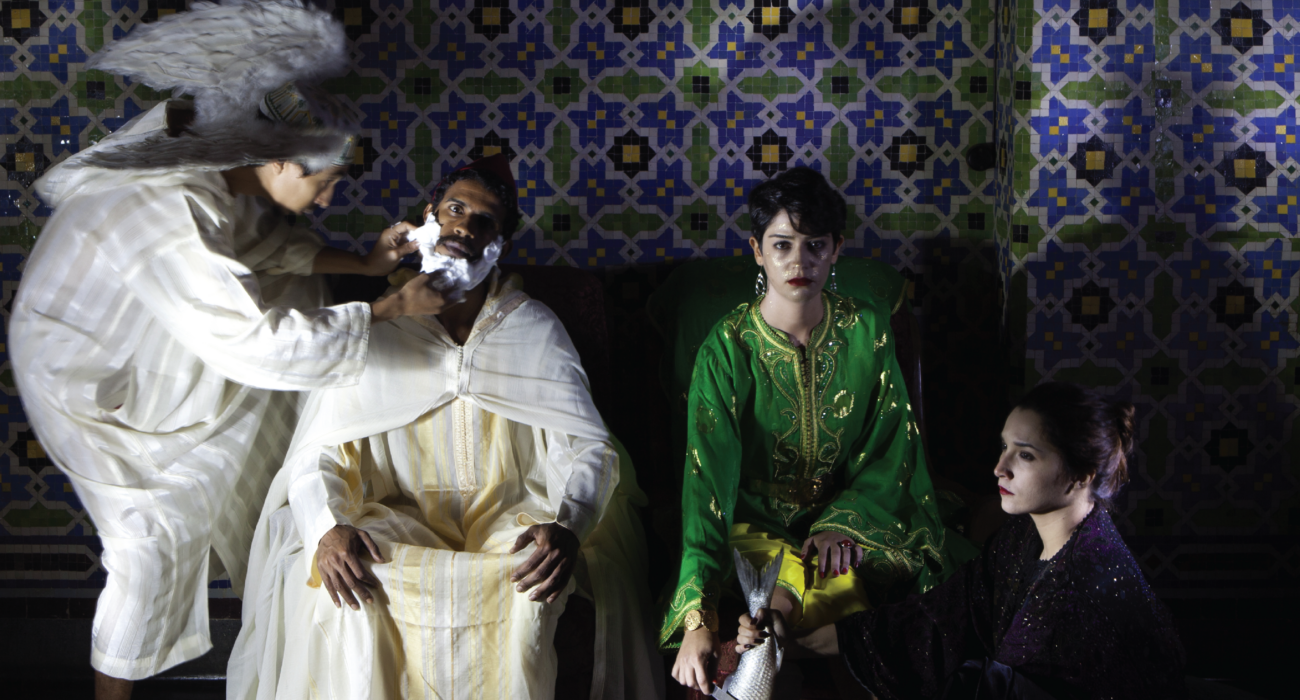
These Are Her Contraries
Kesewa Aboah
Back to Artists

Jose Duran

Jose Duran, Priscila (detail), 2024

Jose Duran (b. 1979, Moca, Dominican Republic) is a painter, designer, and sculptor creating fantastical worlds of cosmopolitan opulence and sumptuous, even dangerous foliage. Duran’s practice is anchored in extensive research of practices of survival, celebration, vengeance, sabotage, and aspirational desires in Black communities. He draws from baroque and rococo interiors to create scenes of architectural lavishness and femininity, producing complex compositions anchored in whimsy and play. 

Duran centers Black feminine figures as a reclamation of their contributions to European markers of taste, and as retribution for their forced labor under colonial rule. Duran’s fantasies retrospectively place Black women at the center of his lavish interiors, where they reap the fruits of their labor. His practice is an ode to the dreams and aspirations of his late mother, who, between the Bronx and the Dominican Republic, would imbue in the artist a taste for cosmopolitanism and beauty. 

Jose Duran (b. 1979, Moca, Dominican Republic) is a painter, designer, and sculptor creating fantastical worlds of cosmopolitan opulence and sumptuous, even dangerous foliage. Duran’s practice is anchored in extensive research of practices of survival, celebration, vengeance, sabotage, and aspirational desires in Black communities. He draws from baroque and rococo interiors to create scenes of architectural lavishness and femininity, producing complex compositions anchored in whimsy and play. 

Duran centers Black feminine figures as a reclamation of their contributions to European markers of taste, and as retribution for their forced labor under colonial rule. Duran’s fantasies retrospectively place Black women at the center of his lavish interiors, where they reap the fruits of their labor. His practice is an ode to the dreams and aspirations of his late mother, who, between the Bronx and the Dominican Republic, would imbue in the artist a taste for cosmopolitanism and beauty. 

Bligia
Jose Duran
2023
Hua
Jose Duran
2025
Sophia
Jose Duran
2025
Paola
Jose Duran
2022
Back to Artists

Shihori Yamamoto

Shihori Yamamoto, Bloom (04/26/2019, Spring Insomnia), 2019 (detail)

Shihori Yamamoto (b. 1988) is a New York-based visual artist, originally from Japan. Yamamoto received a Bachelor of Architecture from Musashino Art University (Tokyo, Japan), and a Master of Fine Arts from Pratt Institute (New York, United States). Utilizing her background in architecture, as well as her knowledge in psychology, biology, and astrophysics, Yamamoto creates intricate line drawings, layered mixed media paintings, and architectural installations.

Yamamoto’s artwork has been exhibited internationally in the United States, Japan, and Germany. Her recent exhibitions include emmy art+ (Tokyo), NARS Foundation (Brooklyn, NY), BioBAT Art Space (Brooklyn, NY), Elizabeth Foundation for the Arts (New York, NY), Pen&Brush Gallery (New York, NY) and Monira Foundation (Jersey City, NJ). Her residencies include Pratt>Forward, Monira Foundation, mhPROJECTnyc, Residency Unlimited, NARS Foundation, New York Foundation for the Arts Immigrant Mentor Program, Kimmel Harding Nelson Center, and Vermont Studio Center.

Shihori Yamamoto (b. 1988) is a New York-based visual artist, originally from Japan. Yamamoto received a Bachelor of Architecture from Musashino Art University (Tokyo, Japan), and a Master of Fine Arts from Pratt Institute (New York, United States). Utilizing her background in architecture, as well as her knowledge in psychology, biology, and astrophysics, Yamamoto creates intricate line drawings, layered mixed media paintings, and architectural installations.

Yamamoto’s artwork has been exhibited internationally in the United States, Japan, and Germany. Her recent exhibitions include emmy art+ (Tokyo), NARS Foundation (Brooklyn, NY), BioBAT Art Space (Brooklyn, NY), Elizabeth Foundation for the Arts (New York, NY), Pen&Brush Gallery (New York, NY) and Monira Foundation (Jersey City, NJ). Her residencies include Pratt>Forward, Monira Foundation, mhPROJECTnyc, Residency Unlimited, NARS Foundation, New York Foundation for the Arts Immigrant Mentor Program, Kimmel Harding Nelson Center, and Vermont Studio Center.

 I Am Here to Love (Interior)
Shihori Yamamoto
2023
Bloom (07/18/2019, Leave a Message After the Beep)
Shihori Yamamoto
2019
Back to Artists

Guerrilla Girls

The Guerrilla Girls are an anonymous group of activist artists. They use facts, humor and outrageous visuals to expose bias and corruption in politics, art, film, and pop culture. GG has done hundreds of projects (posters, actions, books, videos, stickers) all over the world, as well as interventions and exhibitions inside museums, blasting them on their own walls for their discriminatory practices.

The Guerrilla Girls are intersectional feminists who fight for human rights for all people and all genders, and against ethnic and gender stereotypes, homophobia, transphobia, war, and income inequality. Over 60 individuals have been members of the Guerrilla Girls, some for weeks, some for decades. They wear gorilla masks in public and take the names of dead artists as pseudonyms. They have always been diverse in age, sexual orientation, gender identity, socioeconomic class and ethnic background.

The Guerrilla Girls are an anonymous group of activist artists. They use facts, humor and outrageous visuals to expose bias and corruption in politics, art, film, and pop culture. GG has done hundreds of projects (posters, actions, books, videos, stickers) all over the world, as well as interventions and exhibitions inside museums, blasting them on their own walls for their discriminatory practices.

The Guerrilla Girls are intersectional feminists who fight for human rights for all people and all genders, and against ethnic and gender stereotypes, homophobia, transphobia, war, and income inequality. Over 60 individuals have been members of the Guerrilla Girls, some for weeks, some for decades. They wear gorilla masks in public and take the names of dead artists as pseudonyms. They have always been diverse in age, sexual orientation, gender identity, socioeconomic class and ethnic background.

1992
1986
1994
2016
2022
1995
Back to Artists

Noa Yekutieli

Noa Yekutieli, I come with my baggaged land everywhere I go (detail), 2024

Noa Yekutieli (b.1989) lives and works in Los Angeles and New York. As a Japanese-American-Israeli, she uses objects, crafts, and heritage techniques to nurture her sense of belonging. She engages various mediums, including installation, assemblage, and a signature manual paper cutting technique to explore personal narratives and multi-hyphen identities within the context of immigration, assimilation, and conflict.

She has staged solo exhibitions at ISCP, the Petach Tikva Museum of Art, the Maxxi Museum, Galerie Russi Klenner, Knust Kunz Gallery, Inga Gallery, Galerie Gisela Clement, Kunstverein Augsburg, Track 16 Gallery, Art Cologne, Galerie Sabine Knust, the Nakanojo Biennale, Open Contemporary Art Center, Treasure Hill Artist Village, Sommer Frische Kunst, Gordon Gallery, Artist House, the Janco Dada Museum, The Wilfrid Museum, Mishkenot Sha’ananim, and Marina Gisich Gallery. She was awarded the Harpo Foundation Grant (2023) and the ARTIST Grant (2022 & 2023), and has taken part in residencies at ISCP Residency and the Gottesman Etching Center. Her work has been collected by The Israel Museum and the Tel Aviv Museum of Modern Art.

Noa Yekutieli (b.1989) lives and works in Los Angeles and New York. As a Japanese-American-Israeli, she uses objects, crafts, and heritage techniques to nurture her sense of belonging. She engages various mediums, including installation, assemblage, and a signature manual paper cutting technique to explore personal narratives and multi-hyphen identities within the context of immigration, assimilation, and conflict.

She has staged solo exhibitions at ISCP, the Petach Tikva Museum of Art, the Maxxi Museum, Galerie Russi Klenner, Knust Kunz Gallery, Inga Gallery, Galerie Gisela Clement, Kunstverein Augsburg, Track 16 Gallery, Art Cologne, Galerie Sabine Knust, the Nakanojo Biennale, Open Contemporary Art Center, Treasure Hill Artist Village, Sommer Frische Kunst, Gordon Gallery, Artist House, the Janco Dada Museum, The Wilfrid Museum, Mishkenot Sha’ananim, and Marina Gisich Gallery. She was awarded the Harpo Foundation Grant (2023) and the ARTIST Grant (2022 & 2023), and has taken part in residencies at ISCP Residency and the Gottesman Etching Center. Her work has been collected by The Israel Museum and the Tel Aviv Museum of Modern Art.

Back to Artists

Kitty Ca$h

Kitty Ca$h is an interdisciplinary artist that works in music, video, animation and installation. The core of her work is an exploration of self and the Black experience in relation to themes such as Black womanhood, identity, community, and Black healing, This is often explored through music, humor, and social commentary. She has collaborated with artists like Rihanna, Solange, and A$AP Rocky, and has performed at renowned institutions such as the Guggenheim Museum and Brooklyn Museum.

Kitty Ca$h is an interdisciplinary artist that works in music, video, animation and installation. The core of her work is an exploration of self and the Black experience in relation to themes such as Black womanhood, identity, community, and Black healing, This is often explored through music, humor, and social commentary. She has collaborated with artists like Rihanna, Solange, and A$AP Rocky, and has performed at renowned institutions such as the Guggenheim Museum and Brooklyn Museum.

Back to Artists

Rachel Martin

Rachel Martin, If our table could talk, 2024

Rachel Martin is an enrolled Tlingít multi-disciplinary artist who lives and works in Queens, NY. Her work often explores tribal identity, intersectional feminism and Indigenous sovereignty through the use humor and playfulness to ensure her ancestors stories are told from a multidimensional place. Martin’s work will often merge traditional Northwest Coast iconography and modern matriarchal figures, fish and animals to tell the stories of today while honoring the oral history of her people that has been passed down from generation to generation. In addition to her contemporary art practice, Martin is a beginning level Tlingit language student. Her works are often inspired by the overlay of English and Tlingit concepts of family, home, and humor.

Martin’s work has attracted the attention and support of several prominent private galleries and collectors as well as public institutions including Anchorage Museum in Alaska and Forge Project in Upstate New York. Recently, Martin was included in an exhibition at Sealaska Heritage Institute’s ‘Native Women’s Exhibit’ guest curated by Alison Bremner. Her work is currently included in the Brooklyn Museum, Brooklyn, NY, Gochman Family Collection, Anchorage Museum, Forge Project Collection, and the Marieluise Hessel Collection.

Rachel Martin is an enrolled Tlingít multi-disciplinary artist who lives and works in Queens, NY. Her work often explores tribal identity, intersectional feminism and Indigenous sovereignty through the use humor and playfulness to ensure her ancestors stories are told from a multidimensional place. Martin’s work will often merge traditional Northwest Coast iconography and modern matriarchal figures, fish and animals to tell the stories of today while honoring the oral history of her people that has been passed down from generation to generation. In addition to her contemporary art practice, Martin is a beginning level Tlingit language student. Her works are often inspired by the overlay of English and Tlingit concepts of family, home, and humor.

Martin’s work has attracted the attention and support of several prominent private galleries and collectors as well as public institutions including Anchorage Museum in Alaska and Forge Project in Upstate New York. Recently, Martin was included in an exhibition at Sealaska Heritage Institute’s ‘Native Women’s Exhibit’ guest curated by Alison Bremner. Her work is currently included in the Brooklyn Museum, Brooklyn, NY, Gochman Family Collection, Anchorage Museum, Forge Project Collection, and the Marieluise Hessel Collection.

Back to Artists

Turiya Adkins

Turiya Adkins, From a Whisper to a Scream, 2023 (Detail)

Turiya Adkins (b. 1998, New York, NY) is a multidisciplinary artist living and working in Brooklyn. She received her BA from Dartmouth College in 2020.

Turiya Adkins’ practice rigorously intertwines history, memory, and speculative futures to explore bodily movement, resistance, and flight. Encompassing a constellation of references such as Black athletes in track and field, the Tuskegee Airmen, the Zambian Space Program, the artwork and writings of Sun Ra, folklore of flying Africans, and James Meredith’s 1966 March Against Fear, Adkins deploys a gestural language that brings form to the complexity of feeling and moving.

In her most recent works, Adkins advances her concept of ‘Afro-futuremyth’ (as opposed to Afrofuturism) which emphasizes mythology as an ongoing process of reimagining ancestral narratives to explore the notion of flight as an existential process.

Her work has been featured in recent exhibitions, including Swallow the Moon (2026) at Amanita, New York, NY; More Than a Notion (2024), Hannah Traore Gallery, New York, NY; Parallels and Rupture (2023), Freedman Gallery, Albright College, Reading, PA; Experience 49: blue/s (2021), El Segundo Museum of Art, Los Angeles, CA; Manifold Deluxe (2023), Frieze London, UK; Helmut Lang Seen by Antwaun Sargent (2023), Hannah Traore Gallery, New York, NY; and Manifold (2022), London, UK.

Turiya Adkins (b. 1998, New York, NY) is a multidisciplinary artist living and working in Brooklyn. She received her BA from Dartmouth College in 2020.

Turiya Adkins’ practice rigorously intertwines history, memory, and speculative futures to explore bodily movement, resistance, and flight. Encompassing a constellation of references such as Black athletes in track and field, the Tuskegee Airmen, the Zambian Space Program, the artwork and writings of Sun Ra, folklore of flying Africans, and James Meredith’s 1966 March Against Fear, Adkins deploys a gestural language that brings form to the complexity of feeling and moving.

In her most recent works, Adkins advances her concept of ‘Afro-futuremyth’ (as opposed to Afrofuturism) which emphasizes mythology as an ongoing process of reimagining ancestral narratives to explore the notion of flight as an existential process.

Her work has been featured in recent exhibitions, including Swallow the Moon (2026) at Amanita, New York, NY; More Than a Notion (2024), Hannah Traore Gallery, New York, NY; Parallels and Rupture (2023), Freedman Gallery, Albright College, Reading, PA; Experience 49: blue/s (2021), El Segundo Museum of Art, Los Angeles, CA; Manifold Deluxe (2023), Frieze London, UK; Helmut Lang Seen by Antwaun Sargent (2023), Hannah Traore Gallery, New York, NY; and Manifold (2022), London, UK.

Turiya Adkins by Lindsay Perryman
Prayers to a Cruel Cupid
Turiya Adkins
2023
Turiya Adkins
2026
270 Mile Situation
Turiya Adkins
2023
Pining for St. Sebastian
Turiya Adkins
2024
Photo by Evan McKnight
Daedalus
Turiya Adkins
2023
My Mississippi Is Everywhere
Turiya Adkins
2023
Afronaut
Turiya Adkins
2025
Second Screen
Turiya Adkins
2026
Bible of The Sport
Turiya Adkins
2025
Photo by Evan McKnight
From a Whisper to a Scream
Turiya Adkins
2023
In Spite of Minutes
Turiya Adkins
2025
Photo by Evan McKnight
Among My Silences
Turiya Adkins
2025
Vertigo
Turiya Adkins
2024
Mikey P. The King
Turiya Adkins
2024
Informed Hope
Turiya Adkins
2026
Back to Artists

Chella Man

Chella Man, Stretch, 2022

A New York-based artist, director, author, curator, actor, and speaker – Chella Man‘s work highlights the continuums and extends beyond binaries of disability, race, gender, sexuality, and morality. His identity includes being Deaf, trans, Jewish, and Chinese as well as determined, curious, and hopeful. Blending the genres of fine art, visual art, and performance, his mediums perpetually expand. Beyond organizing his show with Hannah Traore Gallery, Man is working on a live performance exploring his bodily autonomy through the lens of the medical industrial complex and tattooing for Performance Space NY and The Jewish Museum premiering May 2nd of 2024. He also works with Nike as an ambassador for disability and queer inclusion. Most recently, his short film exploring cyborgian identities was shown as a finalist in Cannes Short Film Festival, Newfest Film Festival, and more. This past month, he was awarded recognition in Forbes 30 under 30 for his work in the arts.

In the past, Man was a mentor and resident at Silver Art Projects located in The World Trade Center. He has shown at institutions such as the Brooklyn Museum, Powerhouse Museum, Leslie-Lohman Museum, Performance Space NY, Mana Contemporary, The Museum of The City of New York, The Abrons Arts Center this coming year. In 2021, Man published his first book, Continuum, with Penguin Publishing, highlighting how to heal from systemic oppression and the revelations he has come to growing up. Since leaving high school as a Junior to attend college early, he has shown in film festivals internationally, participated in numerous gallery shows and artist residencies worldwide, worked as a columnist for Condé Nast’s first queer publication Them, launched a radically inclusive clothing line in collaboration with Opening Ceremony, signed as the first Deaf and trans-masculine model with IMG Models, and was cast as a superhero in Warner Brothers DC Universe film Titans. He hopes to continue pushing the boundaries of what it means to be accessible, inclusive, and equal in this world.

A New York-based artist, director, author, curator, actor, and speaker – Chella Man‘s work highlights the continuums and extends beyond binaries of disability, race, gender, sexuality, and morality. His identity includes being Deaf, trans, Jewish, and Chinese as well as determined, curious, and hopeful. Blending the genres of fine art, visual art, and performance, his mediums perpetually expand. Beyond organizing his show with Hannah Traore Gallery, Man is working on a live performance exploring his bodily autonomy through the lens of the medical industrial complex and tattooing for Performance Space NY and The Jewish Museum premiering May 2nd of 2024. He also works with Nike as an ambassador for disability and queer inclusion. Most recently, his short film exploring cyborgian identities was shown as a finalist in Cannes Short Film Festival, Newfest Film Festival, and more. This past month, he was awarded recognition in Forbes 30 under 30 for his work in the arts.

In the past, Man was a mentor and resident at Silver Art Projects located in The World Trade Center. He has shown at institutions such as the Brooklyn Museum, Powerhouse Museum, Leslie-Lohman Museum, Performance Space NY, Mana Contemporary, The Museum of The City of New York, The Abrons Arts Center this coming year. In 2021, Man published his first book, Continuum, with Penguin Publishing, highlighting how to heal from systemic oppression and the revelations he has come to growing up. Since leaving high school as a Junior to attend college early, he has shown in film festivals internationally, participated in numerous gallery shows and artist residencies worldwide, worked as a columnist for Condé Nast’s first queer publication Them, launched a radically inclusive clothing line in collaboration with Opening Ceremony, signed as the first Deaf and trans-masculine model with IMG Models, and was cast as a superhero in Warner Brothers DC Universe film Titans. He hopes to continue pushing the boundaries of what it means to be accessible, inclusive, and equal in this world.

How Do You Picture God?
Chella Man
2019
Physical
Chella Man
2018
Self Portrait
Chella Man
2017
What it feels like
Chella Man
2022
Mother and. Child
Chella Man
2019
Spilled
Chella Man
2022
This is the most honest I have ever been.
Chella Man
2015
Venice II
Chella Man
2022
Meritocracy
Chella Man
2016
Celebration
Chella Man
2020
Back to Artists

Hassan Hajjaj

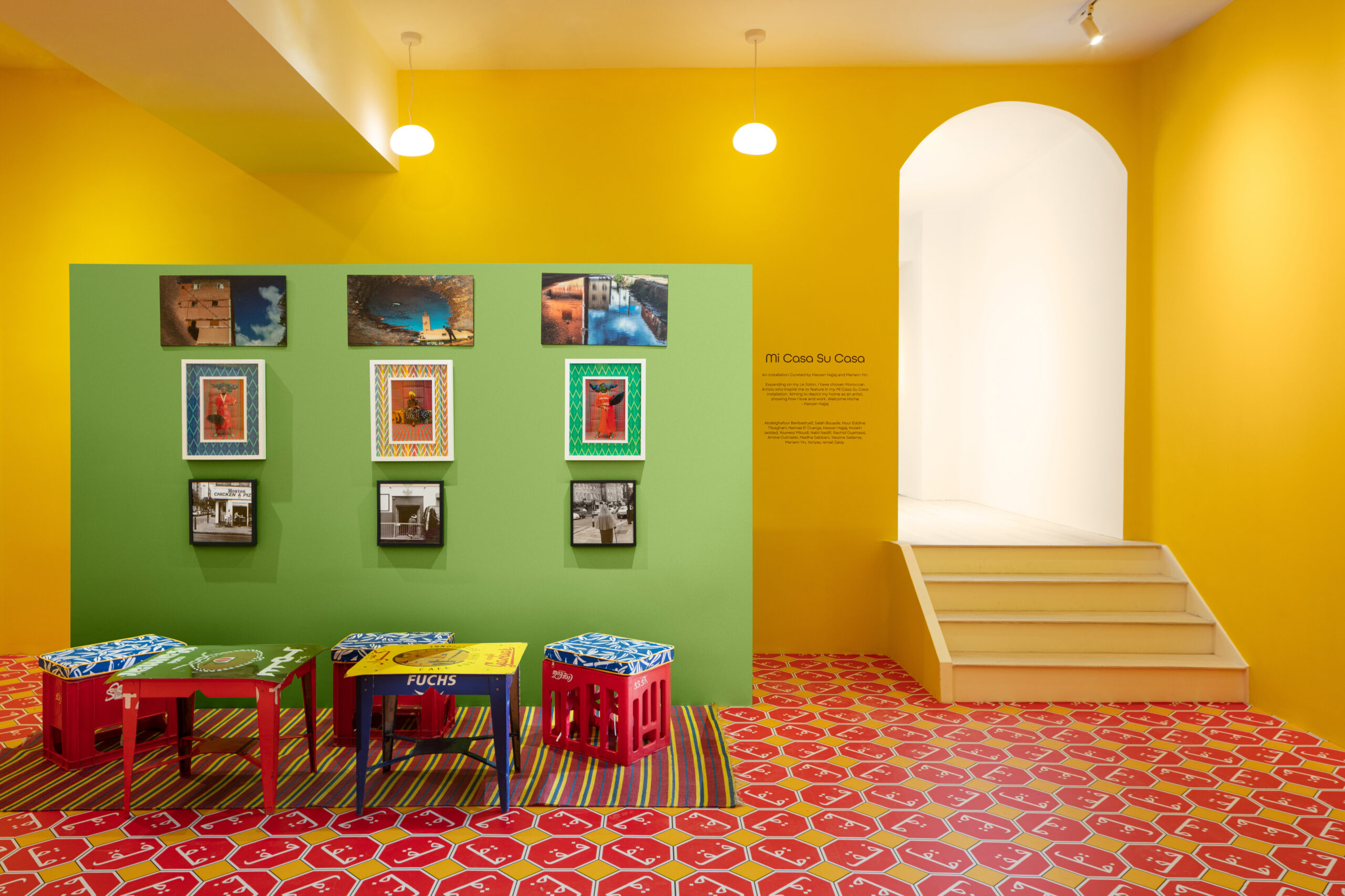
Hassan Hajjaj (b. 1961; Larache, Morocco) creates vibrant, boldly colorful portraits of inspiring figures in his life—musicians, friends, artists—that express evolving notions of self and society in today’s globalized, hyperconnected world. The artist photographs his subjects outfitted in fashions of his own design and situated in studios he builds himself and installs on the street. The images are then fitted in a frame made from various commercial products, enshrining each portrait in an international blend of music, fashion, and consumer culture.

With a history in street fashion, Hajjaj dresses his subjects with expertly blended ensembles of modern streetwear and traditional, intricate Moroccan prints. They pose in temporary studios installed on city streets, with North African textiles and pedestrian materials as their loud, joyful backdrops. The artist’s sitters often strike playful poses bursting with energy: some sit on a repurposed plastic crate or straddle a motorcycle, others do karate kicks or balance in handstands. Hajjaj then builds custom frames for the resulting photograph, and fills them with a variety of consumer products labelled with Arabic text, from Coca-Cola cans, to tomato sauce, to tea tins. In this way, the artist mimics the repetitive motifs of traditional Islamic zellige, where each can permutates in a repetitive manner, mimicking the tiled designs of traditional Islamic architecture. Hajjaj thereby transforms these quotidian goods into elements of artistic tradition, creating an interplay of ‘high’ and ‘low’ culture, and offering a new mode of celebrating iconic cultural figures through portraiture.

Hajjaj locates his playful, distinctly contemporary style of portraiture in the traditions of African masters of studio photography, including Seydou Keïta (1921-2001, Malian), Samuel Fosso (b. 1962, Cameroonian), and Malick Sidibé (1936-2016, Malian). Learning from these artists, Hajjaj absorbed the idea of studio portraiture as a malleable vehicle for identity definition. This became the inspiration for his own process of reshuffling cultural signifiers to portray a world where individuals build identities from a broad array of international influences and media. In his own words, ”In the 80s you have to remember that London was just starting to blend. We all came from different backgrounds. We had to create something to find our space.” Hajjaj does just this in his images, blending, juxtaposing and mirroring the traditional Moroccan motifs of his heritage with contemporary signifiers of global style and consumption.

Hassan Hajjaj’s works are represented in the permanent collections across the globe, including those of the Brooklyn Museum, New York, NY; Los Angeles Museum of Contemporary Art, CA; Victoria & Albert Museum, London, UK; Institut des Cultures d’Islam, Paris, France; Guggenheim Abu Dhabi, UAE; Kamel Lazaar Foundation, Tunisia; Musée d’Art Contemporain Africain Al Maaden, Marrakesh, Morocco; and National Gallery of Victoria, Melbourne, Australia. The artist has presented landmark exhibitions at Freies Museum, Berlin, Germany; British Museum, London, UK; Newark Museum, NJ; and Leighton House Museum, UK. Hajjaj was born in 1961, in Larache, Morocco, and currently lives and works between London and Marrakesh.

Hassan Hajjaj (b. 1961; Larache, Morocco) creates vibrant, boldly colorful portraits of inspiring figures in his life—musicians, friends, artists—that express evolving notions of self and society in today’s globalized, hyperconnected world. The artist photographs his subjects outfitted in fashions of his own design and situated in studios he builds himself and installs on the street. The images are then fitted in a frame made from various commercial products, enshrining each portrait in an international blend of music, fashion, and consumer culture.

With a history in street fashion, Hajjaj dresses his subjects with expertly blended ensembles of modern streetwear and traditional, intricate Moroccan prints. They pose in temporary studios installed on city streets, with North African textiles and pedestrian materials as their loud, joyful backdrops. The artist’s sitters often strike playful poses bursting with energy: some sit on a repurposed plastic crate or straddle a motorcycle, others do karate kicks or balance in handstands. Hajjaj then builds custom frames for the resulting photograph, and fills them with a variety of consumer products labelled with Arabic text, from Coca-Cola cans, to tomato sauce, to tea tins. In this way, the artist mimics the repetitive motifs of traditional Islamic zellige, where each can permutates in a repetitive manner, mimicking the tiled designs of traditional Islamic architecture. Hajjaj thereby transforms these quotidian goods into elements of artistic tradition, creating an interplay of ‘high’ and ‘low’ culture, and offering a new mode of celebrating iconic cultural figures through portraiture.

Hajjaj locates his playful, distinctly contemporary style of portraiture in the traditions of African masters of studio photography, including Seydou Keïta (1921-2001, Malian), Samuel Fosso (b. 1962, Cameroonian), and Malick Sidibé (1936-2016, Malian). Learning from these artists, Hajjaj absorbed the idea of studio portraiture as a malleable vehicle for identity definition. This became the inspiration for his own process of reshuffling cultural signifiers to portray a world where individuals build identities from a broad array of international influences and media. In his own words, ”In the 80s you have to remember that London was just starting to blend. We all came from different backgrounds. We had to create something to find our space.” Hajjaj does just this in his images, blending, juxtaposing and mirroring the traditional Moroccan motifs of his heritage with contemporary signifiers of global style and consumption.

Hassan Hajjaj’s works are represented in the permanent collections across the globe, including those of the Brooklyn Museum, New York, NY; Los Angeles Museum of Contemporary Art, CA; Victoria & Albert Museum, London, UK; Institut des Cultures d’Islam, Paris, France; Guggenheim Abu Dhabi, UAE; Kamel Lazaar Foundation, Tunisia; Musée d’Art Contemporain Africain Al Maaden, Marrakesh, Morocco; and National Gallery of Victoria, Melbourne, Australia. The artist has presented landmark exhibitions at Freies Museum, Berlin, Germany; British Museum, London, UK; Newark Museum, NJ; and Leighton House Museum, UK. Hajjaj was born in 1961, in Larache, Morocco, and currently lives and works between London and Marrakesh.

March Hare
Hassan Hajjaj
2008
Alexander
Hassan Hajjaj
2008
Afrikan Boy
Hassan Hajjaj
2008
Gnawe Rasta
Hassan Hajjaj
2008
Ehsani Bike 1
Hassan Hajjaj
2008
Che Lovelace
Hassan Hajjaj
2008
Back to Artists